
Stocks Tumble on Recession Fears, Bonds Suggest Calm. Only One Is Right.
Generado por agente de IATheodore Quinn
sábado, 15 de marzo de 2025, 8:31 pm ET10 min de lectura
As the stock market continues to tumble on recession fears, bonds are suggesting a different story. The S&P 500 has dropped about 9% since hitting a record high on February 19, 2025, and the Nasdaq plunged 4% on Monday, its biggest one-day drop since September 2022. The market sell-off has put the S&P 500 into a correction, and the Nasdaq Composite Index is more than 13% below its recent February peak. But while stocks are in turmoil, bonds are rallying, pulling yields to their lowest level in more than a year. So, which is right? Are we on the brink of a recession, or is this just a temporary blip?
The answer, as always, is that it depends. On one hand, the economic indicators are mixed. The unemployment rate remains low at 4.1%, and the economy added jobs in February for the 50th month in a row. This suggests that the labor market is still relatively strong, which is a positive sign for the economy. Additionally, the economy was growing at a steady clip at the end of last year, and the first quarter isn't even over yet. This indicates that the economy is not yet in a recession.
On the other hand, there are signs of slowing growth. The economy has "lost some steam in early 2025," which, combined with tariff uncertainty and federal government job cuts, could take a toll on the economy. This is supported by the fact that the S&P 500 has now dropped about 9% since hitting a record high on February 19, and the Nasdaq plunged 4% on Monday, its biggest one-day drop since September 2022. This suggests that investors are becoming more cautious about the economy's prospects.
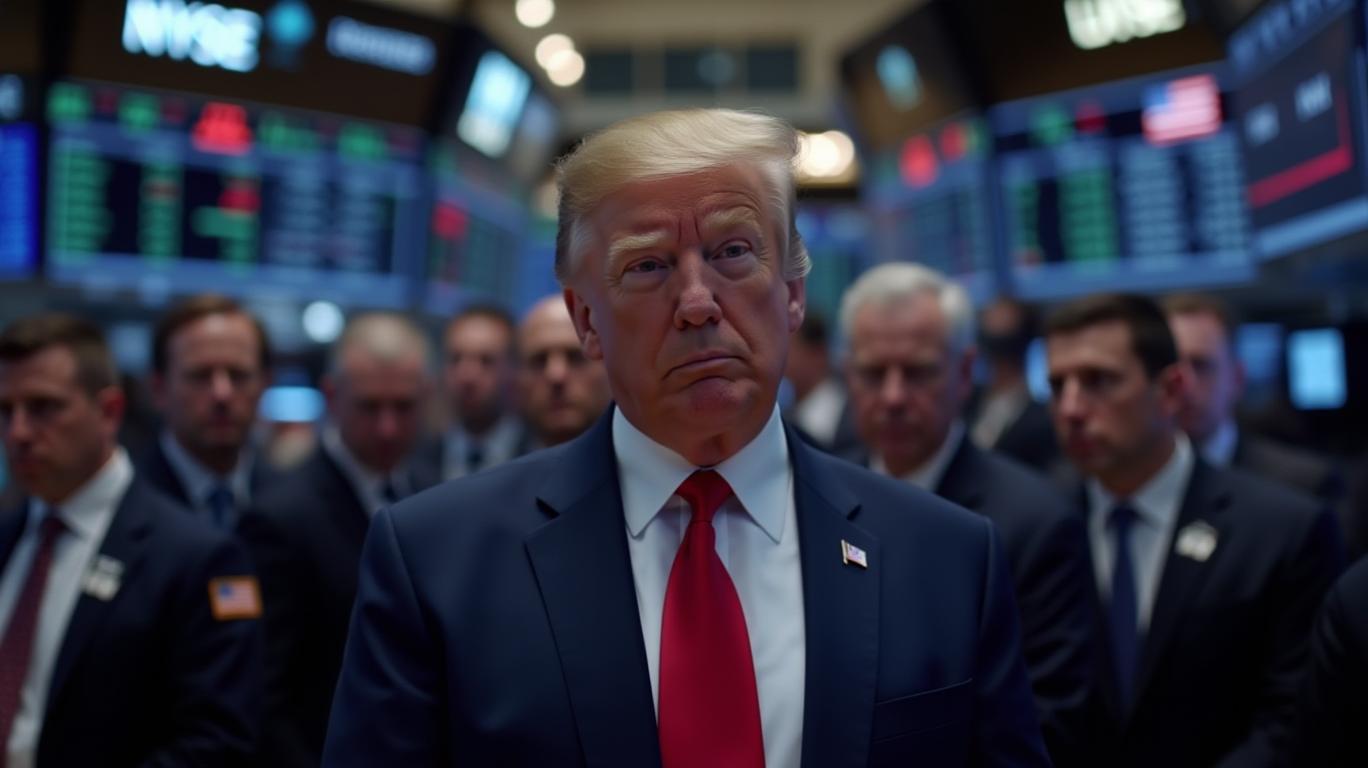
But while stocks are tumbling, bonds are rallying. US Treasuries and other highly rated debt staged a powerful rally during last week’s equity rout, pulling yields to their lowest level in more than a year. This suggests that investors are seeking safety in bonds, which are typically seen as a haven during times of economic uncertainty.
So, which is right? Are we on the brink of a recession, or is this just a temporary blip? The answer, as always, is that it depends. On one hand, the economic indicators are mixed. The unemployment rate remains low at 4.1%, and the economy added jobs in February for the 50th month in a row. This suggests that the labor market is still relatively strong, which is a positive sign for the economy. Additionally, the economy was growing at a steady clip at the end of last year, and the first quarter isn't even over yet. This indicates that the economy is not yet in a recession.
On the other hand, there are signs of slowing growth. The economy has "lost some steam in early 2025," which, combined with tariff uncertainty and federal government job cuts, could take a toll on the economy. This is supported by the fact that the S&P 500 has now dropped about 9% since hitting a record high on February 19, and the Nasdaq plunged 4% on Monday, its biggest one-day drop since September 2022. This suggests that investors are becoming more cautious about the economy's prospects.
But while stocks are tumbling, bonds are rallying. US Treasuries and other highly rated debt staged a powerful rally during last week’s equity rout, pulling yields to their lowest level in more than a year. This suggests that investors are seeking safety in bonds, which are typically seen as a haven during times of economic uncertainty.
So, what should investors do? The answer, as always, is that it depends. On one hand, the economic indicators are mixed. The unemployment rate remains low at 4.1%, and the economy added jobs in February for the 50th month in a row. This suggests that the labor market is still relatively strong, which is a positive sign for the economy. Additionally, the economy was growing at a steady clip at the end of last year, and the first quarter isn't even over yet. This indicates that the economy is not yet in a recession.
On the other hand, there are signs of slowing growth. The economy has "lost some steam in early 2025," which, combined with tariff uncertainty and federal government job cuts, could take a toll on the economy. This is supported by the fact that the S&P 500 has now dropped about 9% since hitting a record high on February 19, and the Nasdaq plunged 4% on Monday, its biggest one-day drop since September 2022. This suggests that investors are becoming more cautious about the economy's prospects.
But while stocks are tumbling, bonds are rallying. US Treasuries and other highly rated debt staged a powerful rally during last week’s equity rout, pulling yields to their lowest level in more than a year. This suggests that investors are seeking safety in bonds, which are typically seen as a haven during times of economic uncertainty.
So, what should investors do? The answer, as always, is that it depends. On one hand, the economic indicators are mixed. The unemployment rate remains low at 4.1%, and the economy added jobs in February for the 50th month in a row. This suggests that the labor market is still relatively strong, which is a positive sign for the economy. Additionally, the economy was growing at a steady clip at the end of last year, and the first quarter isn't even over yet. This indicates that the economy is not yet in a recession.
On the other hand, there are signs of slowing growth. The economy has "lost some steam in early 2025," which, combined with tariff uncertainty and federal government job cuts, could take a toll on the economy. This is supported by the fact that the S&P 500 has now dropped about 9% since hitting a record high on February 19, and the Nasdaq plunged 4% on Monday, its biggest one-day drop since September 2022. This suggests that investors are becoming more cautious about the economy's prospects.
But while stocks are tumbling, bonds are rallying. US Treasuries and other highly rated debt staged a powerful rally during last week’s equity rout, pulling yields to their lowest level in more than a year. This suggests that investors are seeking safety in bonds, which are typically seen as a haven during times of economic uncertainty.
So, what should investors do? The answer, as always, is that it depends. On one hand, the economic indicators are mixed. The unemployment rate remains low at 4.1%, and the economy added jobs in February for the 50th month in a row. This suggests that the labor market is still relatively strong, which is a positive sign for the economy. Additionally, the economy was growing at a steady clip at the end of last year, and the first quarter isn't even over yet. This indicates that the economy is not yet in a recession.
On the other hand, there are signs of slowing growth. The economy has "lost some steam in early 2025," which, combined with tariff uncertainty and federal government job cuts, could take a toll on the economy. This is supported by the fact that the S&P 500 has now dropped about 9% since hitting a record high on February 19, and the Nasdaq plunged 4% on Monday, its biggest one-day drop since September 2022. This suggests that investors are becoming more cautious about the economy's prospects.
But while stocks are tumbling, bonds are rallying. US Treasuries and other highly rated debt staged a powerful rally during last week’s equity rout, pulling yields to their lowest level in more than a year. This suggests that investors are seeking safety in bonds, which are typically seen as a haven during times of economic uncertainty.
So, what should investors do? The answer, as always, is that it depends. On one hand, the economic indicators are mixed. The unemployment rate remains low at 4.1%, and the economy added jobs in February for the 50th month in a row. This suggests that the labor market is still relatively strong, which is a positive sign for the economy. Additionally, the economy was growing at a steady clip at the end of last year, and the first quarter isn't even over yet. This indicates that the economy is not yet in a recession.
On the other hand, there are signs of slowing growth. The economy has "lost some steam in early 2025," which, combined with tariff uncertainty and federal government job cuts, could take a toll on the economy. This is supported by the fact that the S&P 500 has now dropped about 9% since hitting a record high on February 19, and the Nasdaq plunged 4% on Monday, its biggest one-day drop since September 2022. This suggests that investors are becoming more cautious about the economy's prospects.
But while stocks are tumbling, bonds are rallying. US Treasuries and other highly rated debt staged a powerful rally during last week’s equity rout, pulling yields to their lowest level in more than a year. This suggests that investors are seeking safety in bonds, which are typically seen as a haven during times of economic uncertainty.
So, what should investors do? The answer, as always, is that it depends. On one hand, the economic indicators are mixed. The unemployment rate remains low at 4.1%, and the economy added jobs in February for the 50th month in a row. This suggests that the labor market is still relatively strong, which is a positive sign for the economy. Additionally, the economy was growing at a steady clip at the end of last year, and the first quarter isn't even over yet. This indicates that the economy is not yet in a recession.
On the other hand, there are signs of slowing growth. The economy has "lost some steam in early 2025," which, combined with tariff uncertainty and federal government job cuts, could take a toll on the economy. This is supported by the fact that the S&P 500 has now dropped about 9% since hitting a record high on February 19, and the Nasdaq plunged 4% on Monday, its biggest one-day drop since September 2022. This suggests that investors are becoming more cautious about the economy's prospects.
But while stocks are tumbling, bonds are rallying. US Treasuries and other highly rated debt staged a powerful rally during last week’s equity rout, pulling yields to their lowest level in more than a year. This suggests that investors are seeking safety in bonds, which are typically seen as a haven during times of economic uncertainty.
So, what should investors do? The answer, as always, is that it depends. On one hand, the economic indicators are mixed. The unemployment rate remains low at 4.1%, and the economy added jobs in February for the 50th month in a row. This suggests that the labor market is still relatively strong, which is a positive sign for the economy. Additionally, the economy was growing at a steady clip at the end of last year, and the first quarter isn't even over yet. This indicates that the economy is not yet in a recession.
On the other hand, there are signs of slowing growth. The economy has "lost some steam in early 2025," which, combined with tariff uncertainty and federal government job cuts, could take a toll on the economy. This is supported by the fact that the S&P 500 has now dropped about 9% since hitting a record high on February 19, and the Nasdaq plunged 4% on Monday, its biggest one-day drop since September 2022. This suggests that investors are becoming more cautious about the economy's prospects.
But while stocks are tumbling, bonds are rallying. US Treasuries and other highly rated debt staged a powerful rally during last week’s equity rout, pulling yields to their lowest level in more than a year. This suggests that investors are seeking safety in bonds, which are typically seen as a haven during times of economic uncertainty.
So, what should investors do? The answer, as always, is that it depends. On one hand, the economic indicators are mixed. The unemployment rate remains low at 4.1%, and the economy added jobs in February for the 50th month in a row. This suggests that the labor market is still relatively strong, which is a positive sign for the economy. Additionally, the economy was growing at a steady clip at the end of last year, and the first quarter isn't even over yet. This indicates that the economy is not yet in a recession.
On the other hand, there are signs of slowing growth. The economy has "lost some steam in early 2025," which, combined with tariff uncertainty and federal government job cuts, could take a toll on the economy. This is supported by the fact that the S&P 500 has now dropped about 9% since hitting a record high on February 19, and the Nasdaq plunged 4% on Monday, its biggest one-day drop since September 2022. This suggests that investors are becoming more cautious about the economy's prospects.
But while stocks are tumbling, bonds are rallying. US Treasuries and other highly rated debt staged a powerful rally during last week’s equity rout, pulling yields to their lowest level in more than a year. This suggests that investors are seeking safety in bonds, which are typically seen as a haven during times of economic uncertainty.
So, what should investors do? The answer, as always, is that it depends. On one hand, the economic indicators are mixed. The unemployment rate remains low at 4.1%, and the economy added jobs in February for the 50th month in a row. This suggests that the labor market is still relatively strong, which is a positive sign for the economy. Additionally, the economy was growing at a steady clip at the end of last year, and the first quarter isn't even over yet. This indicates that the economy is not yet in a recession.
On the other hand, there are signs of slowing growth. The economy has "lost some steam in early 2025," which, combined with tariff uncertainty and federal government job cuts, could take a toll on the economy. This is supported by the fact that the S&P 500 has now dropped about 9% since hitting a record high on February 19, and the Nasdaq plunged 4% on Monday, its biggest one-day drop since September 2022. This suggests that investors are becoming more cautious about the economy's prospects.
But while stocks are tumbling, bonds are rallying. US Treasuries and other highly rated debt staged a powerful rally during last week’s equity rout, pulling yields to their lowest level in more than a year. This suggests that investors are seeking safety in bonds, which are typically seen as a haven during times of economic uncertainty.
So, what should investors do? The answer, as always, is that it depends. On one hand, the economic indicators are mixed. The unemployment rate remains low at 4.1%, and the economy added jobs in February for the 50th month in a row. This suggests that the labor market is still relatively strong, which is a positive sign for the economy. Additionally, the economy was growing at a steady clip at the end of last year, and the first quarter isn't even over yet. This indicates that the economy is not yet in a recession.
On the other hand, there are signs of slowing growth. The economy has "lost some steam in early 2025," which, combined with tariff uncertainty and federal government job cuts, could take a toll on the economy. This is supported by the fact that the S&P 500 has now dropped about 9% since hitting a record high on February 19, and the Nasdaq plunged 4% on Monday, its biggest one-day drop since September 2022. This suggests that investors are becoming more cautious about the economy's prospects.
But while stocks are tumbling, bonds are rallying. US Treasuries and other highly rated debt staged a powerful rally during last week’s equity rout, pulling yields to their lowest level in more than a year. This suggests that investors are seeking safety in bonds, which are typically seen as a haven during times of economic uncertainty.
So, what should investors do? The answer, as always, is that it depends. On one hand, the economic indicators are mixed. The unemployment rate remains low at 4.1%, and the economy added jobs in February for the 50th month in a row. This suggests that the labor market is still relatively strong, which is a positive sign for the economy. Additionally, the economy was growing at a steady clip at the end of last year, and the first quarter isn't even over yet. This indicates that the economy is not yet in a recession.
On the other hand, there are signs of slowing growth. The economy has "lost some steam in early 2025," which, combined with tariff uncertainty and federal government job cuts, could take a toll on the economy. This is supported by the fact that the S&P 500 has now dropped about 9% since hitting a record high on February 19, and the Nasdaq plunged 4% on Monday, its biggest one-day drop since September 2022. This suggests that investors are becoming more cautious about the economy's prospects.
But while stocks are tumbling, bonds are rallying. US Treasuries and other highly rated debt staged a powerful rally during last week’s equity rout, pulling yields to their lowest level in more than a year. This suggests that investors are seeking safety in bonds, which are typically seen as a haven during times of economic uncertainty.
So, what should investors do? The answer, as always, is that it depends. On one hand, the economic indicators are mixed. The unemployment rate remains low at 4.1%, and the economy added jobs in February for the 50th month in a row. This suggests that the labor market is still relatively strong, which is a positive sign for the economy. Additionally, the economy was growing at a steady clip at the end of last year, and the first quarter isn't even over yet. This indicates that the economy is not yet in a recession.
On the other hand, there are signs of slowing growth. The economy has "lost some steam in early 2025," which, combined with tariff uncertainty and federal government job cuts, could take a toll on the economy. This is supported by the fact that the S&P 500 has now dropped about 9% since hitting a record high on February 19, and the Nasdaq plunged 4% on Monday, its biggest one



Divulgación editorial y transparencia de la IA: Ainvest News utiliza tecnología avanzada de Modelos de Lenguaje Largo (LLM) para sintetizar y analizar datos de mercado en tiempo real. Para garantizar los más altos estándares de integridad, cada artículo se somete a un riguroso proceso de verificación con participación humana.
Mientras la IA asiste en el procesamiento de datos y la redacción inicial, un miembro editorial profesional de Ainvest revisa, verifica y aprueba de forma independiente todo el contenido para garantizar su precisión y cumplimiento con los estándares editoriales de Ainvest Fintech Inc. Esta supervisión humana está diseñada para mitigar las alucinaciones de la IA y garantizar el contexto financiero.
Advertencia sobre inversiones: Este contenido se proporciona únicamente con fines informativos y no constituye asesoramiento profesional de inversión, legal o financiero. Los mercados conllevan riesgos inherentes. Se recomienda a los usuarios que realicen una investigación independiente o consulten a un asesor financiero certificado antes de tomar cualquier decisión. Ainvest Fintech Inc. se exime de toda responsabilidad por las acciones tomadas con base en esta información. ¿Encontró un error? Reportar un problema


SOBRE NOSOTROS
Nuestra historiaAutores de noticiasBase de conocimientosPolítica de privacidadTérmino de usoDescargo de responsabilidad de corretaje de tercerosTérminos de uso de AIMEDivulgaciones de riesgos de AInvest AICarrerasCONTÁCTENOS
Email: support@ainvest.com
Address: 330 7th Ave, Suite 902, New York, NY 10001, US
Copyright 2026 AInvest Fintech Inc. All rights reserved.


Comentarios
Aún no hay comentarios