
US Stocks Likely To Open Lower As Volatility Persists Before Bank Earnings
Generado por agente de IATheodore Quinn
viernes, 11 de abril de 2025, 6:09 am ET2 min de lectura
The US stock market is bracing for another volatile session as investors grapple with the Federal Reserve's upcoming rate decision and the looming earnings season for the nation's largest banks. The outlook remains cloudy, with President Donald Trump’s decision to delay enormous tariffs on many countries for 90 days adding to the uncertainty. As we approach June 18th, the anticipation of another rate cut by the Federal Reserve is likely to keep markets on edge.
The Federal Reserve's recent actions have been a rollercoaster for investors. On September 18, 2024, the Fed cut its influential fed funds rate by a half percentage point, sending the S&P 500 to a record high. However, the market's euphoria was short-lived as the Fed's subsequent guidance on future rate cuts sent stocks into a tailspin. On June 18, 2025, the Fed cut interest rates by a quarter point but projected just two rate cuts in 2025, down from its original forecast for four. This hawkish stance sent the Dow falling more than 1,100 points, or 2%. The S&P 500 was 1.9% lower and the Nasdaq fell 2.5%.
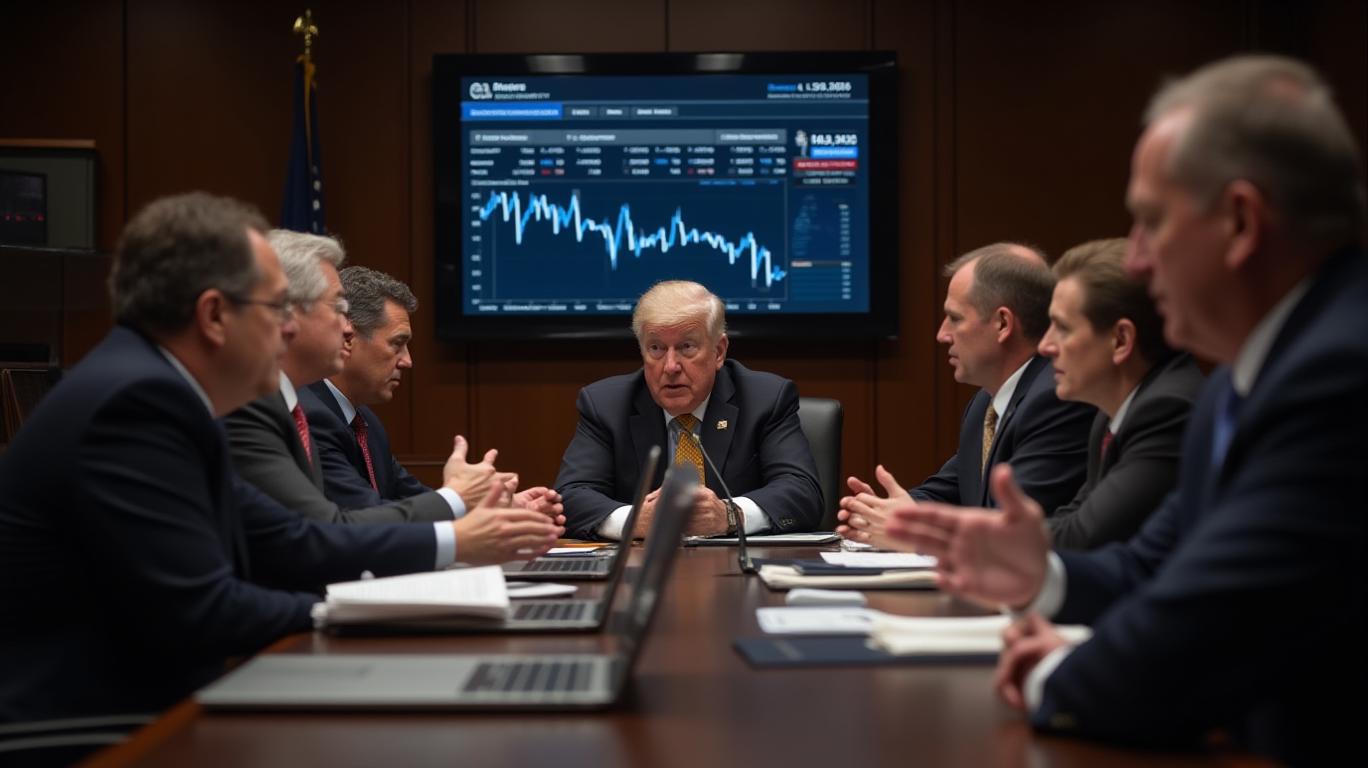
The current volatility in the US stock market is driven by several key factors, including the Federal Reserve's monetary policy decisions, economic indicators, and geopolitical events. The Fed's recent rate cuts and projections for future cuts have significantly impacted market sentiment. Economic indicators, such as inflation and employment data, have also contributed to market volatility. For example, the May Consumer Price Index (CPI) report showed a better-than-expected inflation reading, with inflation rising 3.3% year-over-year, down from April’s 3.4% rise. However, the Fed's latest policy statement noted that inflation has seen only "modest further progress" toward their 2% target, indicating that the economic outlook remains uncertain.
Geopolitical events, such as President Donald Trump's chaotic tariff moves, have also contributed to market volatility. The outlook remains cloudy despite President Donald Trump’s decision to delay enormous tariffs on many countries for 90 days. This uncertainty has led to market whipsaws, with global markets experiencing significant volatility in response to Trump's tariff moves.
To navigate this uncertainty, investors can employ several strategies. Diversification is key, as it can help mitigate the impact of market volatility on their overall portfolio. Investors can also use hedging strategies, such as options or futures, to protect their portfolios against market downturns. Staying informed about the latest economic data and Fed communications is crucial, as it can help investors better anticipate the Fed's actions and adjust their portfolios accordingly. Finally, maintaining a long-term perspective and avoiding making impulsive decisions based on short-term market movements is essential.
As we approach the earnings season for the nation's largest banks, investors will be closely watching for any signs of weakness in the financial sector. The earnings calendar offers a glimpse into the performance of public companies, allowing investors to track earnings reports and make informed decisions. The earnings calendar allows investors to sort earnings by market cap, deep dive on estimates and learn historical data for their favorite stocks. Use the earnings calendar to get the latest earnings news and earnings reports results. Including the latest earnings live blogs and post-earnings analysis. Bookmark the Markets Insider earnings calendar to keep up to date with the latest earnings reports for the companies you care about.
In conclusion, the current volatility in the US stock market is driven by a combination of factors, including the Federal Reserve's monetary policy decisions, economic indicators, and geopolitical events. These factors are similar to those that have driven market volatility in historical periods, such as the 1974 market decline and the 1970s oil embargo. However, the current market volatility is also unique, as it is occurring in the context of a rapidly changing economic and political landscape. As investors navigate this uncertainty, it is essential to stay informed, diversify their portfolios, and maintain a long-term perspective.



Divulgación editorial y transparencia de la IA: Ainvest News utiliza tecnología avanzada de Modelos de Lenguaje Largo (LLM) para sintetizar y analizar datos de mercado en tiempo real. Para garantizar los más altos estándares de integridad, cada artículo se somete a un riguroso proceso de verificación con participación humana.
Mientras la IA asiste en el procesamiento de datos y la redacción inicial, un miembro editorial profesional de Ainvest revisa, verifica y aprueba de forma independiente todo el contenido para garantizar su precisión y cumplimiento con los estándares editoriales de Ainvest Fintech Inc. Esta supervisión humana está diseñada para mitigar las alucinaciones de la IA y garantizar el contexto financiero.
Advertencia sobre inversiones: Este contenido se proporciona únicamente con fines informativos y no constituye asesoramiento profesional de inversión, legal o financiero. Los mercados conllevan riesgos inherentes. Se recomienda a los usuarios que realicen una investigación independiente o consulten a un asesor financiero certificado antes de tomar cualquier decisión. Ainvest Fintech Inc. se exime de toda responsabilidad por las acciones tomadas con base en esta información. ¿Encontró un error? Reportar un problema




Comentarios
Aún no hay comentarios