
Stock Rally Faces Crucial Crossroads: China, Fed, and Consumers Hold the Keys
Bank of America’s recent analysis of the April 2025 stock rally paints a cautiously skeptical picture, framing current gains as speculative and fragile. For the rally to endure, three critical conditions must be met: a meaningful U.S.-China trade deal, Federal Reserve rate cuts, and unshaken consumer resilience. Let’s dissect each pillar and its implications for investors.
1. U.S.-China Trade: The Elephant in the Room
The first hurdle is resolving the U.S.-China trade war. Current tariffs on Chinese exports have surged to a staggering 145%, far exceeding the 60% threshold cited in earlier negotiations. While President Trump claims talks are ongoing, Beijing has denied active discussions, leaving markets in limbo.

Bank of America analysts warn that tariffs must drop below 60% to stabilize trade flows and global supply chains. Until then, the risk of further escalation—or even a “trade war 2.0”—remains. Deutsche Bank estimates that prolonged tariff uncertainty could shave 0.5-1% off U.S. GDP, undermining corporate profits and investor confidence.
2. Fed Rate Cuts: Political Pressure vs. Economic Reality
The second condition hinges on the Federal Reserve. Investors now assign a 60% probability to a 25-basis-point rate cut by June 2025, driven by tariff-driven inflation fears and slowing economic data. However, Fed independence faces unprecedented strain.
Trump’s public criticism of Chair Jerome Powell—including baseless claims that Powell is a “major loser”—has raised concerns about political interference. Despite backtracking, such rhetoric erodes market trust in the Fed’s ability to act without partisan influence.
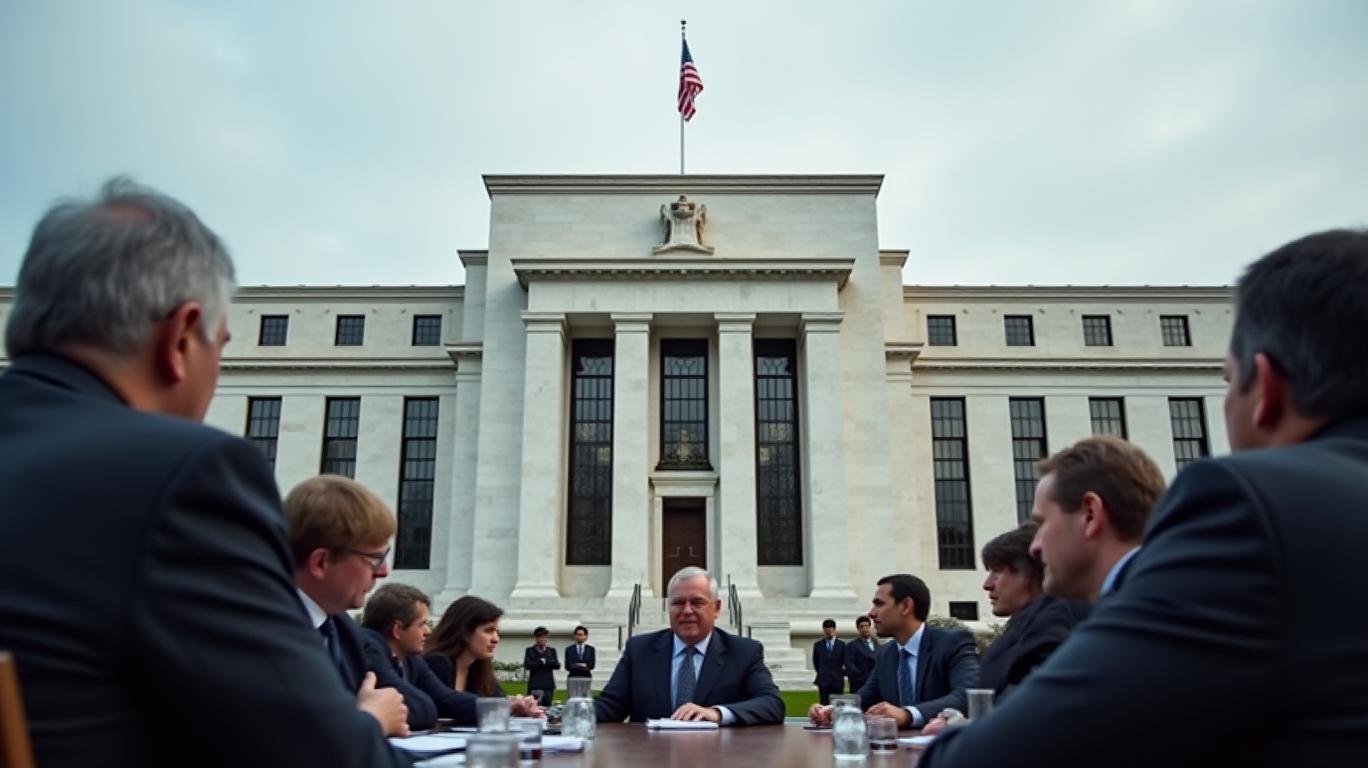
Fed officials, including Powell, have reaffirmed their commitment to data-driven decisions. However, the central bank’s credibility is now tied to navigating this political minefield. A delayed or insufficient rate cut could send bond yields spiking, reversing recent gains in bank stocks like those seen in the KBW Index’s 5.6% intraday surge in late April.
3. Consumer Resilience: The Final Pillar
Consumer strength has been the linchpin of the rally, with strong labor markets insulating households from equity volatility. Unemployment remains near 3.5%, and wage growth, though modest, has kept spending afloat. Yet cracks are emerging.
High-income households face risks from falling equity values, while inflation fears—fueled by tariffs and supply chain disruptions—threaten to erode purchasing power. A prolonged trade stalemate or Fed misstep could push lower-income households, already stretched by rising costs, into a “consumer recession.”
Market Volatility: A Delicate Balancing Act
Recent market swings underscore the fragility of the rally. The KBW Bank Index surged 5.6% after Trump signaled a “pause” on tariffs, while the S&P 500 jumped 2%. Bond yields, however, dropped to 4.3% as investors flocked to safety—a classic “risk-off” response to geopolitical uncertainty.
Yet these gains remain vulnerable. Trump’s social media pronouncements, such as his threats to remove Powell, have caused stock futures to swing violently. The Dow alone lost 75 points on one such tweet—a stark reminder of how policy uncertainty can upend markets.
Conclusion: The Rally’s Lifeline
Bank of America’s analysis leaves little room for optimism. For the stock rally to endure, three conditions must align: a substantial trade deal (tariffs below 60%), a Fed rate cut to ease financial pressure, and consumer resilience unshaken by inflation or wealth declines.
Current odds? The trade deal is a toss-up, with negotiations stalled. The Fed’s rate cut has a 60% chance but faces political headwinds. Consumers, while resilient, are increasingly exposed to systemic risks.
Until these conditions are met, BofA’s advice—“sell the rally”—rings true. Investors would be wise to follow their lead: hedge with bonds, gold, or dips in international markets, while avoiding overexposure to U.S. equities. The path to a sustainable rally is narrow—and the risks of complacency, as their mantra goes, are clear: “Sell hubris, buy humiliation.”





Comentarios
Aún no hay comentarios