
The Stock Market's Unprecedented Milestone: What History Tells Us
Generado por agente de IAWesley Park
domingo, 24 de noviembre de 2024, 7:23 pm ET1 min de lectura
The stock market, driven by a combination of technological advancements, corporate optimism, and favorable monetary policy, has reached a milestone that's never been crossed before. But as investors revel in the glory of all-time highs, history teaches us a valuable lesson. Let's delve into the data and uncover the potential implications of this historic threshold.
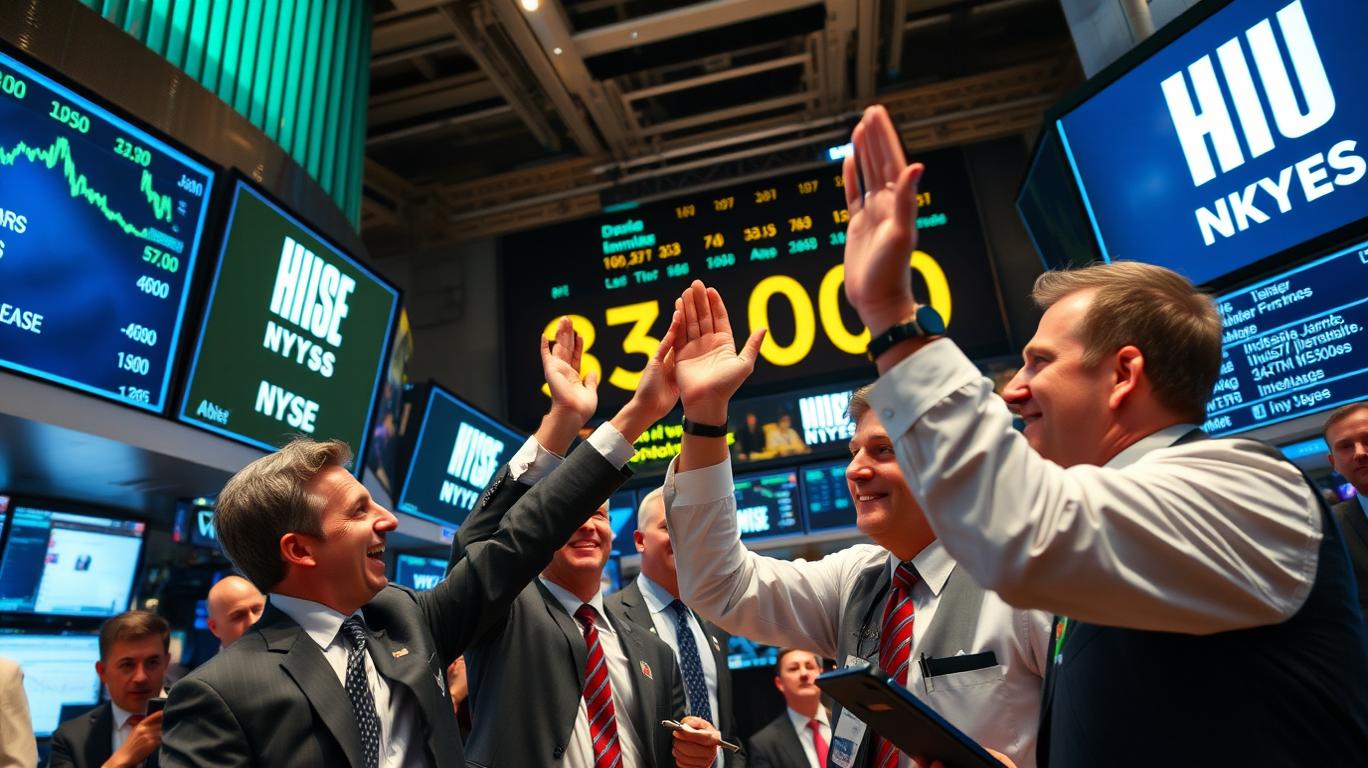
The Buffett Indicator, a widely followed metric that compares the market capitalization of U.S. stocks to the country's gross domestic product (GDP), has surged to an unprecedented level. In October 2024, this indicator crossed the 200% threshold for the first time in history, surpassing even the dot-com bubble and the global financial crisis. This alarming milestone suggests that U.S. stocks are significantly overvalued compared to the underlying growth rate of the economy.
Historically, such extremes in the Buffett Indicator have preceded market downturns. During the dot-com bubble, the indicator increased from 60% to 144%, and before the 2007 financial crisis, it rose from 67% to 107%. These periods were followed by significant market corrections, with the S&P 500 halving during the dot-com bust and dropping 57% in the Great Recession.
However, it's essential to consider the current market dynamics and economic conditions that may influence the reliability of the Buffett Indicator. The AI revolution, stock-split euphoria, and corporate optimism have fueled the recent bullish trends. Additionally, the Federal Reserve's monetary policy and interest rate adjustments could impact investor sentiment and asset allocation.
To improve predictive accuracy, investors should consider combining the Buffett Indicator with other indicators, such as yield curve inversions and high P/E ratios. The longest yield curve inversion in history and a historically high S&P 500 Shiller P/E ratio have also warned of trouble. When these indicators are taken together, they suggest higher risk and potential market corrections.
As we navigate the uncharted territory of the stock market's unprecedented milestone, it's crucial to remain vigilant and maintain a balanced portfolio. This means combining growth and value stocks and emphasizing risk management. While the Buffett Indicator suggests caution, it's essential to remember that no single indicator can predict market downturns with perfect accuracy.
In conclusion, the stock market's recent milestone serves as a stark reminder that history tends to repeat itself. Investors should heed the lessons of the past and take appropriate precautions to protect their portfolios. By maintaining a balanced approach and remaining informed about market dynamics, we can better prepare for the potential challenges that lie ahead.
The Buffett Indicator, a widely followed metric that compares the market capitalization of U.S. stocks to the country's gross domestic product (GDP), has surged to an unprecedented level. In October 2024, this indicator crossed the 200% threshold for the first time in history, surpassing even the dot-com bubble and the global financial crisis. This alarming milestone suggests that U.S. stocks are significantly overvalued compared to the underlying growth rate of the economy.
Historically, such extremes in the Buffett Indicator have preceded market downturns. During the dot-com bubble, the indicator increased from 60% to 144%, and before the 2007 financial crisis, it rose from 67% to 107%. These periods were followed by significant market corrections, with the S&P 500 halving during the dot-com bust and dropping 57% in the Great Recession.
However, it's essential to consider the current market dynamics and economic conditions that may influence the reliability of the Buffett Indicator. The AI revolution, stock-split euphoria, and corporate optimism have fueled the recent bullish trends. Additionally, the Federal Reserve's monetary policy and interest rate adjustments could impact investor sentiment and asset allocation.
To improve predictive accuracy, investors should consider combining the Buffett Indicator with other indicators, such as yield curve inversions and high P/E ratios. The longest yield curve inversion in history and a historically high S&P 500 Shiller P/E ratio have also warned of trouble. When these indicators are taken together, they suggest higher risk and potential market corrections.
As we navigate the uncharted territory of the stock market's unprecedented milestone, it's crucial to remain vigilant and maintain a balanced portfolio. This means combining growth and value stocks and emphasizing risk management. While the Buffett Indicator suggests caution, it's essential to remember that no single indicator can predict market downturns with perfect accuracy.
In conclusion, the stock market's recent milestone serves as a stark reminder that history tends to repeat itself. Investors should heed the lessons of the past and take appropriate precautions to protect their portfolios. By maintaining a balanced approach and remaining informed about market dynamics, we can better prepare for the potential challenges that lie ahead.



Divulgación editorial y transparencia de la IA: Ainvest News utiliza tecnología avanzada de Modelos de Lenguaje Largo (LLM) para sintetizar y analizar datos de mercado en tiempo real. Para garantizar los más altos estándares de integridad, cada artículo se somete a un riguroso proceso de verificación con participación humana.
Mientras la IA asiste en el procesamiento de datos y la redacción inicial, un miembro editorial profesional de Ainvest revisa, verifica y aprueba de forma independiente todo el contenido para garantizar su precisión y cumplimiento con los estándares editoriales de Ainvest Fintech Inc. Esta supervisión humana está diseñada para mitigar las alucinaciones de la IA y garantizar el contexto financiero.
Advertencia sobre inversiones: Este contenido se proporciona únicamente con fines informativos y no constituye asesoramiento profesional de inversión, legal o financiero. Los mercados conllevan riesgos inherentes. Se recomienda a los usuarios que realicen una investigación independiente o consulten a un asesor financiero certificado antes de tomar cualquier decisión. Ainvest Fintech Inc. se exime de toda responsabilidad por las acciones tomadas con base en esta información. ¿Encontró un error? Reportar un problema


SOBRE NOSOTROS
Nuestra historiaAutores de noticiasBase de conocimientosPolítica de privacidadTérmino de usoDescargo de responsabilidad de corretaje de tercerosTérminos de uso de AIMEDivulgaciones de riesgos de AInvest AICarrerasCONTÁCTENOS
Email: support@ainvest.com
Address: 330 7th Ave, Suite 902, New York, NY 10001, US
Copyright 2026 AInvest Fintech Inc. All rights reserved.


Comentarios
Aún no hay comentarios