
Is the Stock Market on a Collision Course With History? More Than a Century of Data Tells the Tale.
Generado por agente de IATheodore Quinn
domingo, 23 de febrero de 2025, 10:40 am ET2 min de lectura
DHC--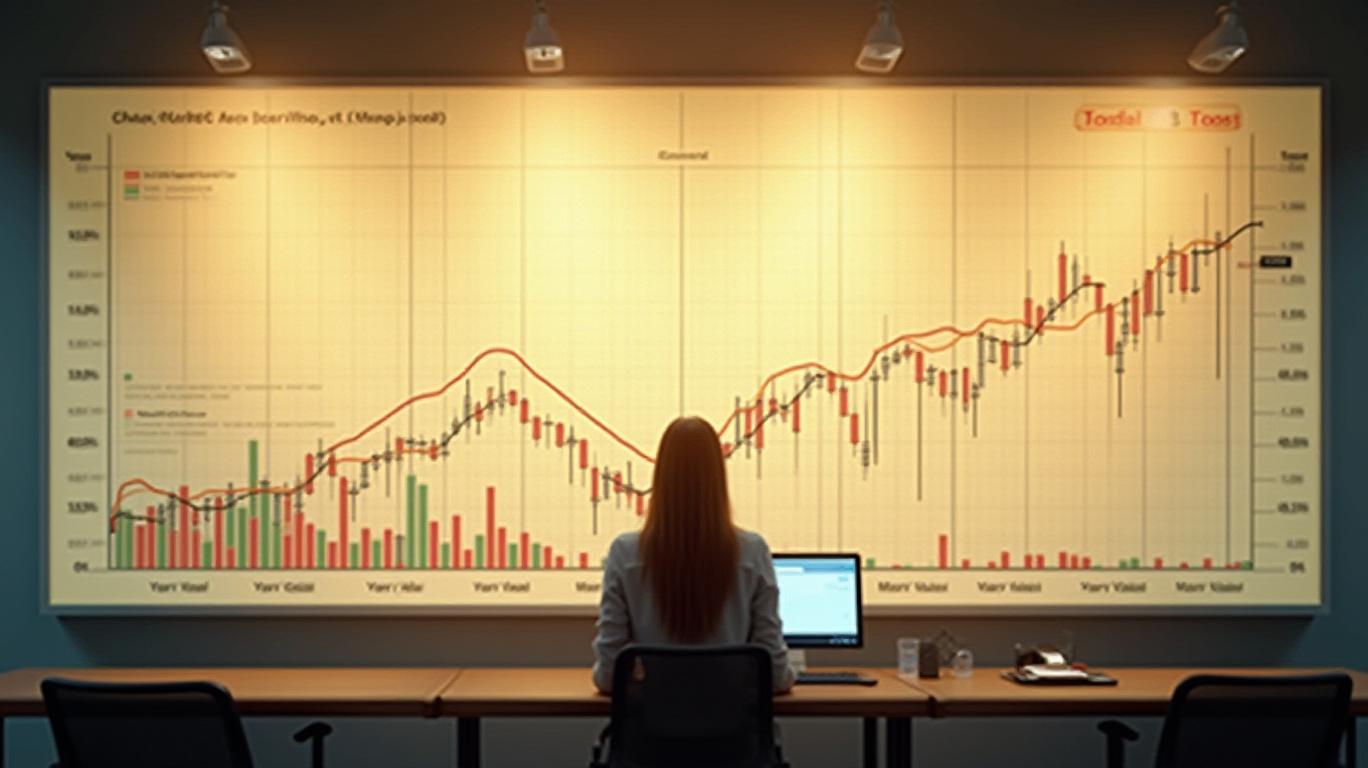
The stock market, a complex and ever-evolving beast, has been a source of both immense wealth and crippling losses for investors throughout history. As we stand on the precipice of what could be another significant market downturn, it's worth taking a step back and examining the lessons that over a century of data has to offer. By understanding the past, we can better navigate the present and prepare for the future.
One of the most striking patterns that emerges from a century of data is the cyclical nature of the market. Booms and busts, bulls and bears, have been a constant throughout history. The Great Depression, the dot-com bubble, and the 2008 financial crisis are just a few examples of the market's cyclical nature. Each of these events, while unique in their causes and consequences, shares a common thread: the market's tendency to overshoot on both the upside and the downside.
This tendency to overshoot is a result of investor psychology and herd behavior. When the market is on the rise, investors become increasingly optimistic, pouring money into stocks and driving prices higher. Conversely, when the market is in a downturn, fear and uncertainty take hold, leading investors to sell and driving prices lower. This herd behavior can lead to market bubbles and crashes, as seen in the dot-com boom and bust, and the housing market collapse of 2008.
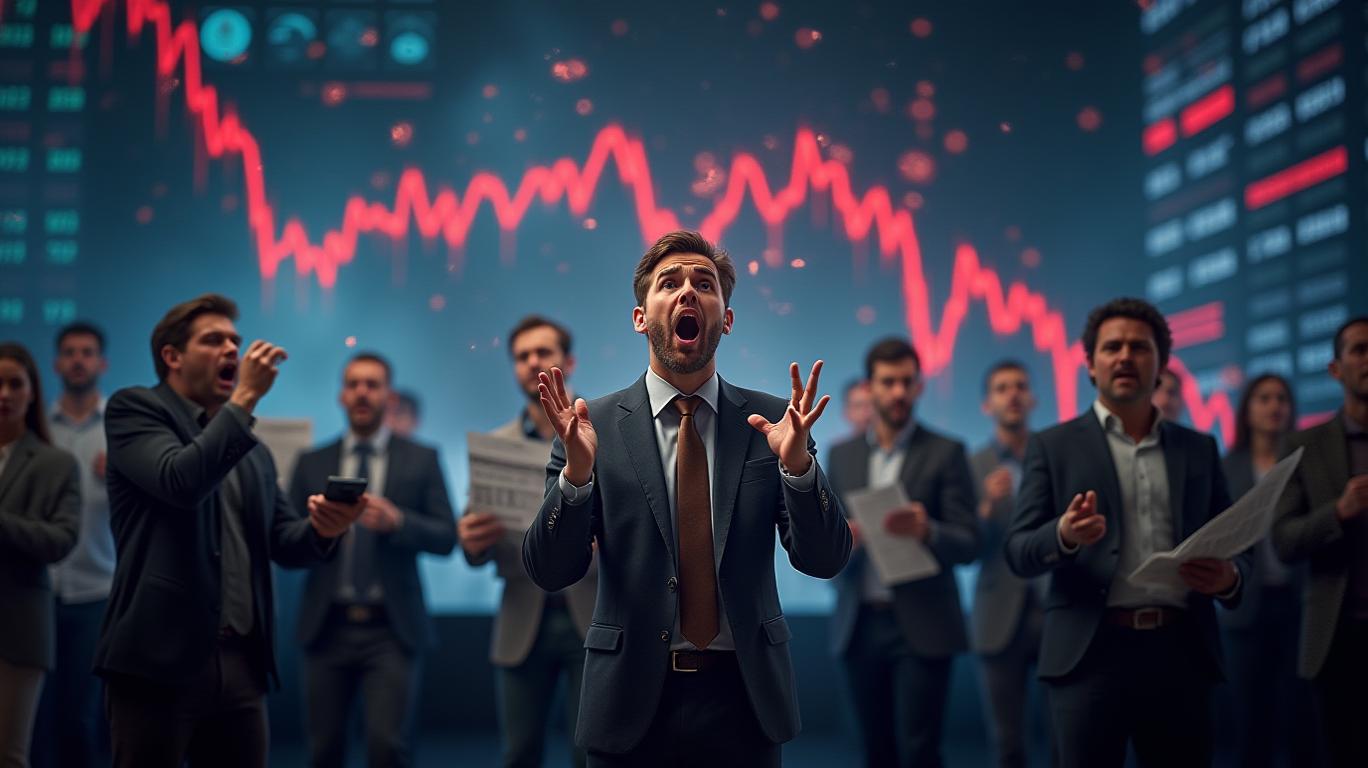
Another crucial lesson from history is the importance of diversification. During the 2008 financial crisis, many investors found themselves overexposed to the housing market and financial sector, leading to significant losses. By diversifying their portfolios across various sectors and asset classes, investors can better weather market storms and protect their wealth.
Moreover, history has shown that the market is a forward-looking entity. Investors price in future expectations, leading to market movements that often anticipate economic events. This forward-looking nature can be seen in the market's reaction to political events, such as the election of Donald Trump in 2016, which led to a significant market rally on expectations of lower taxes and deregulation.
However, it's essential to remember that the market is not always right. While the market's forward-looking nature can provide valuable insights, it is not infallible. Investors should be wary of market timing and remain disciplined in their investment strategies.
In conclusion, over a century of data tells a tale of market cycles, investor psychology, and the importance of diversification. By understanding these lessons, investors can better navigate the present and prepare for the future. As we stand on the precipice of what could be another significant market downturn, it's crucial to remain disciplined, diversified, and focused on the long term. The market may be on a collision course with history, but with the right strategies and mindset, investors can steer their portfolios to safety.
The stock market, a complex and ever-evolving beast, has been a source of both immense wealth and crippling losses for investors throughout history. As we stand on the precipice of what could be another significant market downturn, it's worth taking a step back and examining the lessons that over a century of data has to offer. By understanding the past, we can better navigate the present and prepare for the future.
One of the most striking patterns that emerges from a century of data is the cyclical nature of the market. Booms and busts, bulls and bears, have been a constant throughout history. The Great Depression, the dot-com bubble, and the 2008 financial crisis are just a few examples of the market's cyclical nature. Each of these events, while unique in their causes and consequences, shares a common thread: the market's tendency to overshoot on both the upside and the downside.
This tendency to overshoot is a result of investor psychology and herd behavior. When the market is on the rise, investors become increasingly optimistic, pouring money into stocks and driving prices higher. Conversely, when the market is in a downturn, fear and uncertainty take hold, leading investors to sell and driving prices lower. This herd behavior can lead to market bubbles and crashes, as seen in the dot-com boom and bust, and the housing market collapse of 2008.
Another crucial lesson from history is the importance of diversification. During the 2008 financial crisis, many investors found themselves overexposed to the housing market and financial sector, leading to significant losses. By diversifying their portfolios across various sectors and asset classes, investors can better weather market storms and protect their wealth.
Moreover, history has shown that the market is a forward-looking entity. Investors price in future expectations, leading to market movements that often anticipate economic events. This forward-looking nature can be seen in the market's reaction to political events, such as the election of Donald Trump in 2016, which led to a significant market rally on expectations of lower taxes and deregulation.
However, it's essential to remember that the market is not always right. While the market's forward-looking nature can provide valuable insights, it is not infallible. Investors should be wary of market timing and remain disciplined in their investment strategies.
In conclusion, over a century of data tells a tale of market cycles, investor psychology, and the importance of diversification. By understanding these lessons, investors can better navigate the present and prepare for the future. As we stand on the precipice of what could be another significant market downturn, it's crucial to remain disciplined, diversified, and focused on the long term. The market may be on a collision course with history, but with the right strategies and mindset, investors can steer their portfolios to safety.

Divulgación editorial y transparencia de la IA: Ainvest News utiliza tecnología avanzada de Modelos de Lenguaje Largo (LLM) para sintetizar y analizar datos de mercado en tiempo real. Para garantizar los más altos estándares de integridad, cada artículo se somete a un riguroso proceso de verificación con participación humana.
Mientras la IA asiste en el procesamiento de datos y la redacción inicial, un miembro editorial profesional de Ainvest revisa, verifica y aprueba de forma independiente todo el contenido para garantizar su precisión y cumplimiento con los estándares editoriales de Ainvest Fintech Inc. Esta supervisión humana está diseñada para mitigar las alucinaciones de la IA y garantizar el contexto financiero.
Advertencia sobre inversiones: Este contenido se proporciona únicamente con fines informativos y no constituye asesoramiento profesional de inversión, legal o financiero. Los mercados conllevan riesgos inherentes. Se recomienda a los usuarios que realicen una investigación independiente o consulten a un asesor financiero certificado antes de tomar cualquier decisión. Ainvest Fintech Inc. se exime de toda responsabilidad por las acciones tomadas con base en esta información. ¿Encontró un error? Reportar un problema


SOBRE NOSOTROS
Nuestra historiaAutores de noticiasBase de conocimientosPolítica de privacidadTérmino de usoDescargo de responsabilidad de corretaje de tercerosTérminos de uso de AIMEDivulgaciones de riesgos de AInvest AICarrerasCONTÁCTENOS
Email: support@ainvest.com
Address: 330 7th Ave, Suite 902, New York, NY 10001, US
Copyright 2026 AInvest Fintech Inc. All rights reserved.


Comentarios
Aún no hay comentarios