
Stock Futures Rise Amid Trump Tariff Anticipation
Generado por agente de IATheodore Quinn
lunes, 3 de marzo de 2025, 5:16 am ET1 min de lectura
AAPL--
As the world awaits the potential impact of President Trump's anticipated tariffs, stock futures have been on the rise. Market participants are bracing for the possible economic headwinds, but they also see opportunities in the shifting landscape. Let's delve into the potential long-term impacts on specific sectors and the strategies companies might employ to adapt.
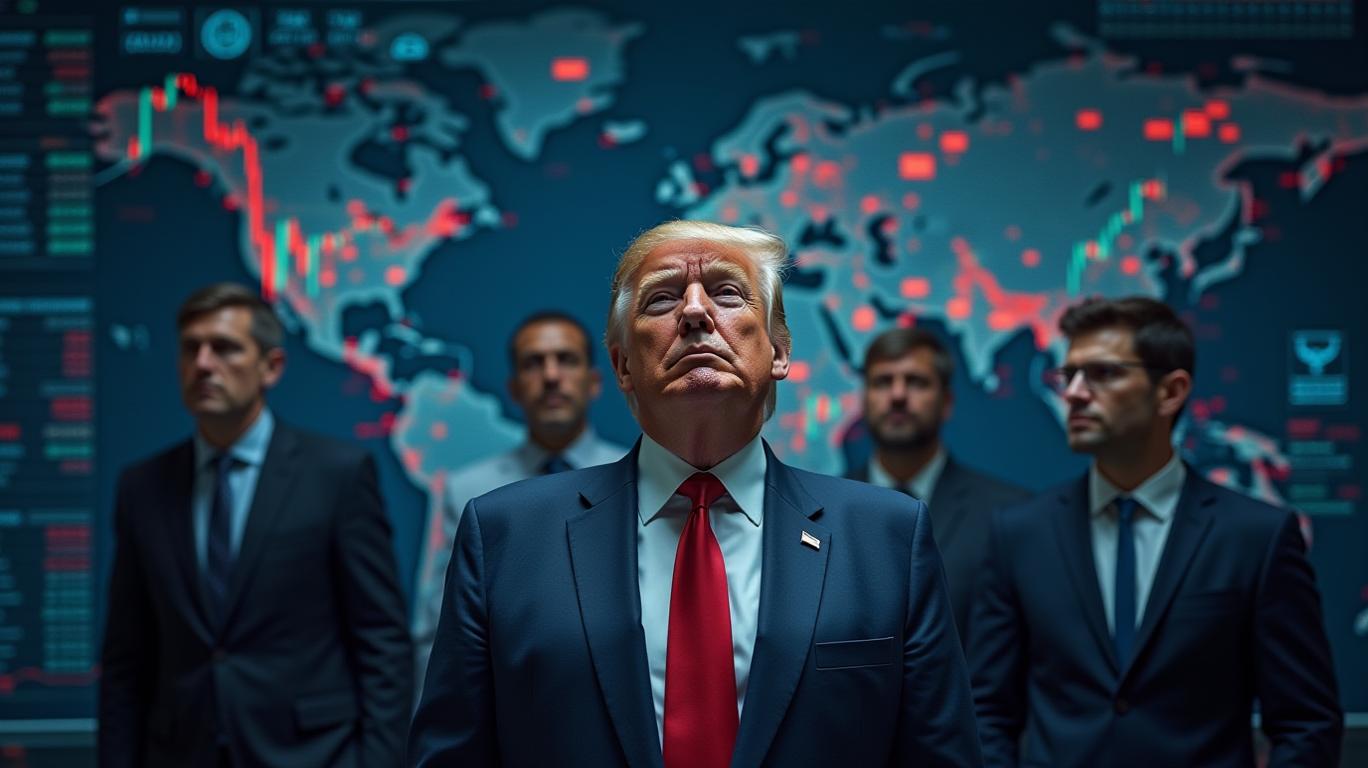
Trump's tariffs on Mexico, Canada, and China could have significant long-term impacts on various sectors. For instance, Big Tech companies like AppleAAPL--, which manufacture their products in China, may face increased production costs. Similarly, insurance companies could see higher input costs due to tariffs on imported goods.
To adapt, Big Tech companies might diversify their supply chains to countries with lower tariffs or no tariffs at all, such as Vietnam or India. They could also negotiate with suppliers to absorb some of the tariff costs or pass on the increased costs to consumers through higher prices. Insurance companies may adjust their investment strategies to focus on domestic companies or companies with lower exposure to tariffs, raise premiums to offset the increased costs, or diversify their product offerings to include services less affected by tariffs.
Companies like StarbucksSBUX-- and Travelers could also face economic headwinds due to Trump's tariffs. Starbucks, with a significant presence in China, might see increased costs for imported goods or face retaliatory tariffs. However, they could also benefit from the potential relocation of manufacturing facilities to other countries, leading to lower production costs and increased sales in those regions. Travelers, as an insurance company, could face higher uncertainty and potential economic slowdown, but they could also benefit from increased demand for insurance services and repatriation of corporate profits due to lower corporate tax rates.
In conclusion, while Trump's tariffs could present economic headwinds for various sectors, companies also have opportunities to adapt and potentially benefit from the situation. By diversifying their supply chains, exploring new markets, and adjusting their investment strategies, these companies can mitigate the risks associated with tariffs and potentially capitalize on new opportunities. As the market awaits the final details of Trump's tariffs, investors should stay informed and prepared to make strategic decisions based on the evolving landscape.
SBUX--
As the world awaits the potential impact of President Trump's anticipated tariffs, stock futures have been on the rise. Market participants are bracing for the possible economic headwinds, but they also see opportunities in the shifting landscape. Let's delve into the potential long-term impacts on specific sectors and the strategies companies might employ to adapt.
Trump's tariffs on Mexico, Canada, and China could have significant long-term impacts on various sectors. For instance, Big Tech companies like AppleAAPL--, which manufacture their products in China, may face increased production costs. Similarly, insurance companies could see higher input costs due to tariffs on imported goods.
To adapt, Big Tech companies might diversify their supply chains to countries with lower tariffs or no tariffs at all, such as Vietnam or India. They could also negotiate with suppliers to absorb some of the tariff costs or pass on the increased costs to consumers through higher prices. Insurance companies may adjust their investment strategies to focus on domestic companies or companies with lower exposure to tariffs, raise premiums to offset the increased costs, or diversify their product offerings to include services less affected by tariffs.
Companies like StarbucksSBUX-- and Travelers could also face economic headwinds due to Trump's tariffs. Starbucks, with a significant presence in China, might see increased costs for imported goods or face retaliatory tariffs. However, they could also benefit from the potential relocation of manufacturing facilities to other countries, leading to lower production costs and increased sales in those regions. Travelers, as an insurance company, could face higher uncertainty and potential economic slowdown, but they could also benefit from increased demand for insurance services and repatriation of corporate profits due to lower corporate tax rates.
In conclusion, while Trump's tariffs could present economic headwinds for various sectors, companies also have opportunities to adapt and potentially benefit from the situation. By diversifying their supply chains, exploring new markets, and adjusting their investment strategies, these companies can mitigate the risks associated with tariffs and potentially capitalize on new opportunities. As the market awaits the final details of Trump's tariffs, investors should stay informed and prepared to make strategic decisions based on the evolving landscape.

Divulgación editorial y transparencia de la IA: Ainvest News utiliza tecnología avanzada de Modelos de Lenguaje Largo (LLM) para sintetizar y analizar datos de mercado en tiempo real. Para garantizar los más altos estándares de integridad, cada artículo se somete a un riguroso proceso de verificación con participación humana.
Mientras la IA asiste en el procesamiento de datos y la redacción inicial, un miembro editorial profesional de Ainvest revisa, verifica y aprueba de forma independiente todo el contenido para garantizar su precisión y cumplimiento con los estándares editoriales de Ainvest Fintech Inc. Esta supervisión humana está diseñada para mitigar las alucinaciones de la IA y garantizar el contexto financiero.
Advertencia sobre inversiones: Este contenido se proporciona únicamente con fines informativos y no constituye asesoramiento profesional de inversión, legal o financiero. Los mercados conllevan riesgos inherentes. Se recomienda a los usuarios que realicen una investigación independiente o consulten a un asesor financiero certificado antes de tomar cualquier decisión. Ainvest Fintech Inc. se exime de toda responsabilidad por las acciones tomadas con base en esta información. ¿Encontró un error? Reportar un problema


SOBRE NOSOTROS
Nuestra historiaAutores de noticiasBase de conocimientosPolítica de privacidadTérmino de usoDescargo de responsabilidad de corretaje de tercerosTérminos de uso de AIMEDivulgaciones de riesgos de AInvest AICarrerasCONTÁCTENOS
Email: support@ainvest.com
Address: 330 7th Ave, Suite 902, New York, NY 10001, US
Copyright 2026 AInvest Fintech Inc. All rights reserved.


Comentarios
Aún no hay comentarios