
Stock Futures Brace for Shortened Week: Thanksgiving Market Preview
Generado por agente de IAEli Grant
domingo, 24 de noviembre de 2024, 6:14 pm ET2 min de lectura
DELL--
As the Thanksgiving holiday approaches, U.S. stock futures are trading relatively flat, signaling a lack of significant movement ahead of a shortened trading week. Markets will close early on Wednesday and remain closed on Thursday for the holiday, with bond markets closing early on Friday as well. This article provides a live update on market sentiment and explores key factors influencing the market's trajectory.
Market participants are digesting President-elect Biden's proposed policies and Cabinet picks, which have sparked mixed reactions. While investors appreciate his focus on renewable energy and infrastructure spending, concerns persist about potential tax hikes on corporations and wealthy individuals. The appointment of Janet Yellen as Treasury Secretary has been viewed favorably, while the nomination of Pete Buttigieg for Transportation Secretary has raised questions about his ability to drive market-friendly policies.
Geopolitical factors, such as Brexit and US-China trade tensions, have played a significant role in shaping market trends and stability. Progress in trade talks and Brexit negotiations has contributed to the current market stability, with the S&P 500 index rallying around 1.7% last week. However, investors should remain vigilant, as geopolitical risks can introduce volatility into global markets.
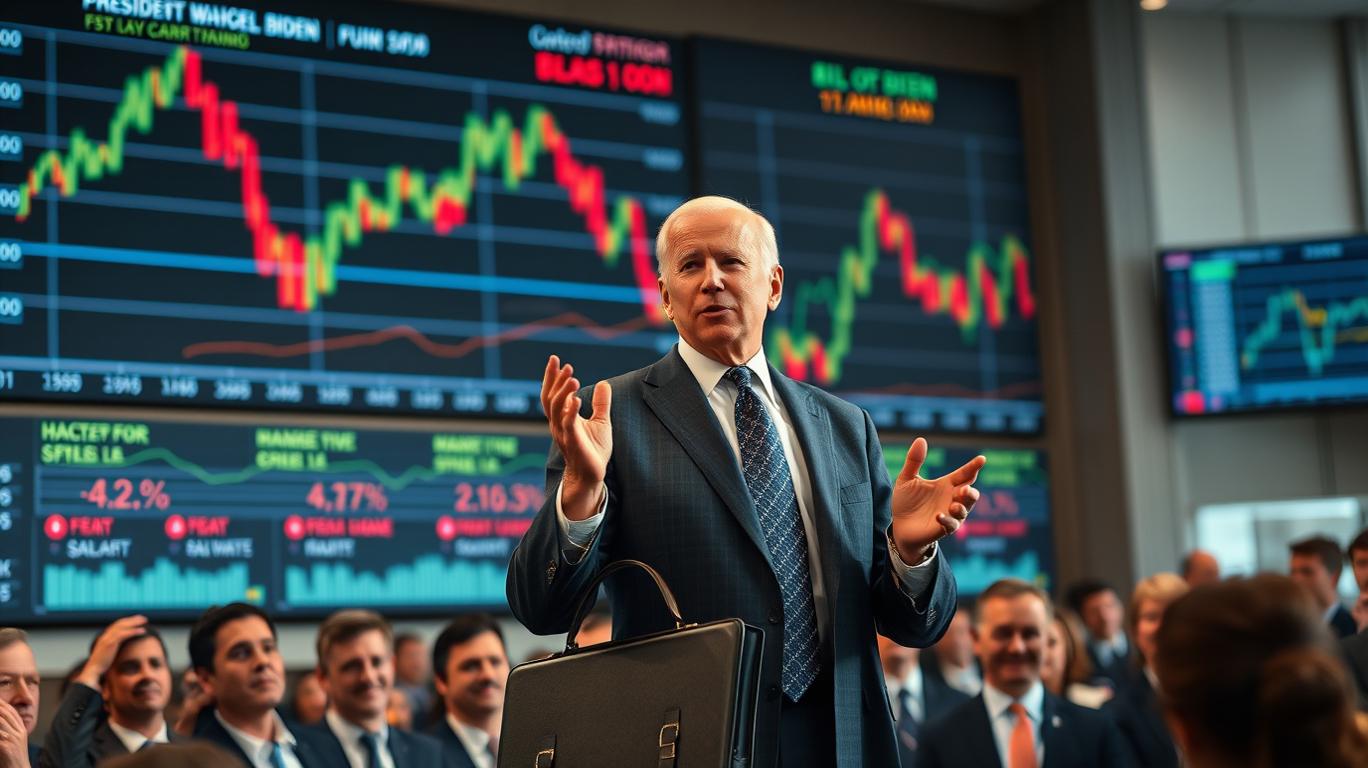
Key economic data releases this week will provide insights into the economy's health and potentially influence market behavior. The PCE inflation index, the Fed's preferred measure, is expected to show whether inflation has resumed its downward path. A downward trend could indicate a slower pace of interest rate cuts, while an upward trend might suggest a more aggressive approach. The GDP update will reveal whether initial estimates of a 2.8% growth rate hold or are adjusted, which could boost market confidence or result in market caution, depending on the outcome.
Investors and traders can adapt their strategies to capitalize on any temporary market disruptions or opportunities during the holiday-shortened trading week. Focusing on specific events, such as the PCE inflation index for October (Wednesday), the first revision to third-quarter GDP (Wednesday), and minutes from the Fed's November meeting (Tuesday), can provide valuable insights into the Fed's interest rate outlook. Additionally, earnings reports from tech firms like Dell Technologies and CrowdStrike may influence sector-specific trades. To capitalize on temporary disruptions or opportunities, investors could consider hedging strategies, adjusting position sizes, or utilizing options to maintain flexibility.
Historically, the Thanksgiving holiday week has been a positive period for the U.S. stock market. Since 1950, the S&P 500 has gained an average of 0.1% during this week, with only four years resulting in a loss. Notably, the Tuesday before Thanksgiving has been the best performing day, averaging a gain of 0.3%. However, it's important to consider that past performance is not indicative of future results, and market behavior can vary based on current economic conditions.
In conclusion, as U.S. stock futures remain relatively flat ahead of the shortened Thanksgiving trading week, investors and traders should stay informed about key economic data releases and adapt their strategies accordingly. While historical trends suggest a positive market performance during this period, market sentiment and geopolitical factors can introduce volatility, making it crucial to remain vigilant and responsive to emerging opportunities and risks.
Market participants are digesting President-elect Biden's proposed policies and Cabinet picks, which have sparked mixed reactions. While investors appreciate his focus on renewable energy and infrastructure spending, concerns persist about potential tax hikes on corporations and wealthy individuals. The appointment of Janet Yellen as Treasury Secretary has been viewed favorably, while the nomination of Pete Buttigieg for Transportation Secretary has raised questions about his ability to drive market-friendly policies.
Geopolitical factors, such as Brexit and US-China trade tensions, have played a significant role in shaping market trends and stability. Progress in trade talks and Brexit negotiations has contributed to the current market stability, with the S&P 500 index rallying around 1.7% last week. However, investors should remain vigilant, as geopolitical risks can introduce volatility into global markets.
Key economic data releases this week will provide insights into the economy's health and potentially influence market behavior. The PCE inflation index, the Fed's preferred measure, is expected to show whether inflation has resumed its downward path. A downward trend could indicate a slower pace of interest rate cuts, while an upward trend might suggest a more aggressive approach. The GDP update will reveal whether initial estimates of a 2.8% growth rate hold or are adjusted, which could boost market confidence or result in market caution, depending on the outcome.
Investors and traders can adapt their strategies to capitalize on any temporary market disruptions or opportunities during the holiday-shortened trading week. Focusing on specific events, such as the PCE inflation index for October (Wednesday), the first revision to third-quarter GDP (Wednesday), and minutes from the Fed's November meeting (Tuesday), can provide valuable insights into the Fed's interest rate outlook. Additionally, earnings reports from tech firms like Dell Technologies and CrowdStrike may influence sector-specific trades. To capitalize on temporary disruptions or opportunities, investors could consider hedging strategies, adjusting position sizes, or utilizing options to maintain flexibility.
Historically, the Thanksgiving holiday week has been a positive period for the U.S. stock market. Since 1950, the S&P 500 has gained an average of 0.1% during this week, with only four years resulting in a loss. Notably, the Tuesday before Thanksgiving has been the best performing day, averaging a gain of 0.3%. However, it's important to consider that past performance is not indicative of future results, and market behavior can vary based on current economic conditions.
In conclusion, as U.S. stock futures remain relatively flat ahead of the shortened Thanksgiving trading week, investors and traders should stay informed about key economic data releases and adapt their strategies accordingly. While historical trends suggest a positive market performance during this period, market sentiment and geopolitical factors can introduce volatility, making it crucial to remain vigilant and responsive to emerging opportunities and risks.

Divulgación editorial y transparencia de la IA: Ainvest News utiliza tecnología avanzada de Modelos de Lenguaje Largo (LLM) para sintetizar y analizar datos de mercado en tiempo real. Para garantizar los más altos estándares de integridad, cada artículo se somete a un riguroso proceso de verificación con participación humana.
Mientras la IA asiste en el procesamiento de datos y la redacción inicial, un miembro editorial profesional de Ainvest revisa, verifica y aprueba de forma independiente todo el contenido para garantizar su precisión y cumplimiento con los estándares editoriales de Ainvest Fintech Inc. Esta supervisión humana está diseñada para mitigar las alucinaciones de la IA y garantizar el contexto financiero.
Advertencia sobre inversiones: Este contenido se proporciona únicamente con fines informativos y no constituye asesoramiento profesional de inversión, legal o financiero. Los mercados conllevan riesgos inherentes. Se recomienda a los usuarios que realicen una investigación independiente o consulten a un asesor financiero certificado antes de tomar cualquier decisión. Ainvest Fintech Inc. se exime de toda responsabilidad por las acciones tomadas con base en esta información. ¿Encontró un error? Reportar un problema


SOBRE NOSOTROS
Nuestra historiaAutores de noticiasBase de conocimientosPolítica de privacidadTérmino de usoDescargo de responsabilidad de corretaje de tercerosTérminos de uso de AIMEDivulgaciones de riesgos de AInvest AICarrerasCONTÁCTENOS
Email: support@ainvest.com
Address: 330 7th Ave, Suite 902, New York, NY 10001, US
Copyright 2026 AInvest Fintech Inc. All rights reserved.


Comentarios
Aún no hay comentarios