
U.S.-Stock Funds Have a Quarter to Forget
Generado por agente de IAHarrison Brooks
domingo, 6 de abril de 2025, 11:00 am ET2 min de lectura
The first quarter of 2025 was a tumultuous period for U.S.-stock funds, marked by a 5.1% decline in the average U.S.-stock mutual fund or exchange-traded fund. This downturn was driven by a confluence of economic indicators and market trends that left investors grappling with uncertainty and shifting their strategies accordingly. The decline was not just a blip on the radar; it was a stark reminder of the fragility of the market in the face of geopolitical tensions and climate crises.
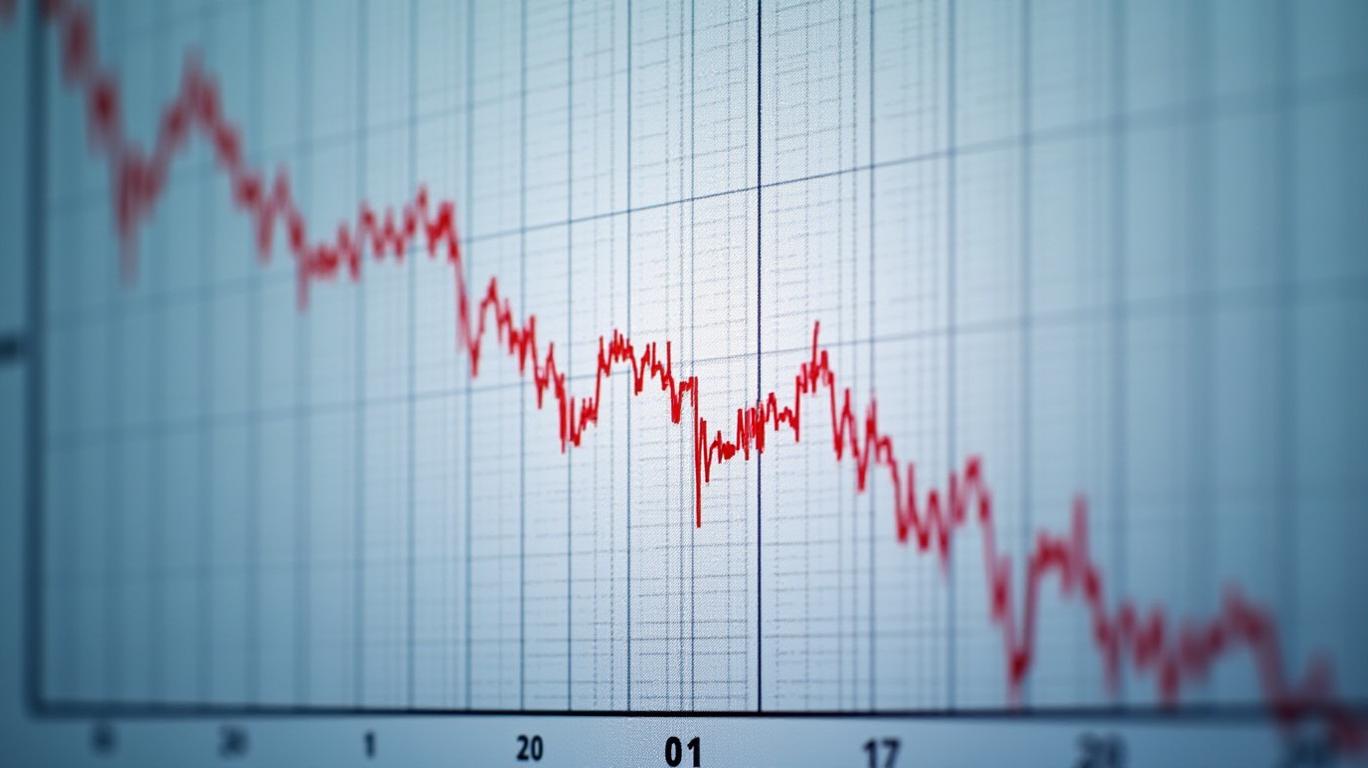
The economic indicators that contributed to this decline were multifaceted. The GDP growth rate, which had been a beacon of hope for many, showed signs of slowing down. This slowing growth rate signaled a weakening economy, which in turn led to a decrease in investor confidence. Rising interest rates and inflation rates further exacerbated the situation, making it more expensive for companies to borrow and invest, and eroding purchasing power. The unemployment rate, another critical indicator, also played a significant role. A rising unemployment rate indicated a struggling economy, leading to decreased consumer spending and lower corporate profits, which negatively impacted stock prices.
The balance of trade and current account to GDP also provided insights into the economic health of the country. A negative balance of trade and a widening current account deficit suggested that the U.S. was spending more than it was earning, which could lead to a decrease in investor confidence and a subsequent decline in stock market performance.
Geopolitical tensions and climate crises added another layer of complexity to the situation. Concerns about tariffs and the economy weighed heavily on markets, prompting many investors to increase their overseas-stock exposure. This shift in investment strategies was a clear indication of the geopolitical uncertainties and economic concerns that were plaguing the market. The climate crisis, with its extreme conditions and widespread impact, further complicated the situation. The increasing demand for sustainability solutions and the need for companies to adapt to environmental regulations added to the challenges faced by the market.
To mitigate these risks, investors could have employed several strategies. Diversifying their portfolios by increasing exposure to overseas stocks was one approach. This strategy helped to spread risk across different markets and reduce the impact of any single market's volatility on the overall portfolio. Focusing on sectors that were less affected by geopolitical tensions and climate crises, such as renewable energy and sustainability solutions, was another strategic move. The increasing demand for these sectors due to climate action and environmental regulations presented investment opportunities in green technologies and sustainable practices.
Investing in companies that were actively working on carbon-neutral management and transforming their business portfolios to adapt to the low-growth environment was also a viable strategy. The chemical industry, for example, was expected to continue experiencing challenges such as inconsistent economic growth, climate crises, and geopolitical conflicts. By investing in companies that were proactively addressing these challenges, investors could mitigate the risks associated with geopolitical tensions and climate crises.
In conclusion, the decline in U.S.-stock funds during the first quarter of 2025 was a result of a complex interplay of economic indicators and market trends. Geopolitical tensions and climate crises added to the challenges faced by the market, prompting investors to shift their strategies. By diversifying their portfolios, focusing on less affected sectors, and investing in companies that were proactively addressing environmental and economic challenges, investors could have mitigated the risks posed by these factors. The first quarter of 2025 was indeed a quarter to forget, but it also provided valuable lessons for investors on how to navigate the complexities of the market.



Divulgación editorial y transparencia de la IA: Ainvest News utiliza tecnología avanzada de Modelos de Lenguaje Largo (LLM) para sintetizar y analizar datos de mercado en tiempo real. Para garantizar los más altos estándares de integridad, cada artículo se somete a un riguroso proceso de verificación con participación humana.
Mientras la IA asiste en el procesamiento de datos y la redacción inicial, un miembro editorial profesional de Ainvest revisa, verifica y aprueba de forma independiente todo el contenido para garantizar su precisión y cumplimiento con los estándares editoriales de Ainvest Fintech Inc. Esta supervisión humana está diseñada para mitigar las alucinaciones de la IA y garantizar el contexto financiero.
Advertencia sobre inversiones: Este contenido se proporciona únicamente con fines informativos y no constituye asesoramiento profesional de inversión, legal o financiero. Los mercados conllevan riesgos inherentes. Se recomienda a los usuarios que realicen una investigación independiente o consulten a un asesor financiero certificado antes de tomar cualquier decisión. Ainvest Fintech Inc. se exime de toda responsabilidad por las acciones tomadas con base en esta información. ¿Encontró un error? Reportar un problema




Comentarios
Aún no hay comentarios