
Why the Stock-Bond Disagreement Signals a Strategic Opportunity for Equity Investors
The synchronized collapse of stocks and bonds in 2022 shattered a decades-old relationship, leaving investors scrambling to redefine diversification. Today, a new divergence has emerged: while bond markets continue to price in recession risks, equities are quietly rebounding on hopes of resilient corporate earnings and moderating inflation. This disconnect between asset classes presents a rare opportunity for equity investors to capitalize on mispricings—and history suggests they should act decisively.
The Historical Context of Disappearing Diversification
For over three decades, the inverse correlation between stocks and bonds provided a reliable risk buffer. When equities faltered, bonds typically rose, and vice versa. The 2022 breakdown—marked by a 33% three-year rolling correlation between global equities and bonds—exposed this system's fragility. The culprit? A perfect storm of surging inflation, aggressive rate hikes, and geopolitical shocks that forced both assets into a downward spiral. The classic 60/40 portfolio, which had lost 5.1% in Q1 2022 alone, became a relic of an earlier era.
Yet markets are cyclical. By 2023, inflation retreated, central banks paused rate hikes, and the correlation began to normalize. Today, the three-year rolling correlation stands at -8%, near its pre-2022 average. This shift hints that bonds are once again serving their diversification role—except in one critical way:
The Current Mispricing: Bonds Overreact, Stocks Underreact
While bond markets remain cautious, pricing in risks such as a Federal Reserve reversal or China's debt challenges, equities have started to reflect a more nuanced reality. Corporate earnings growth, though slowing, has held up better than feared, particularly in sectors like technology and healthcare. Meanwhile, the Federal Reserve's dovish pivot has reduced near-term rate hike fears.
The disconnect is stark:
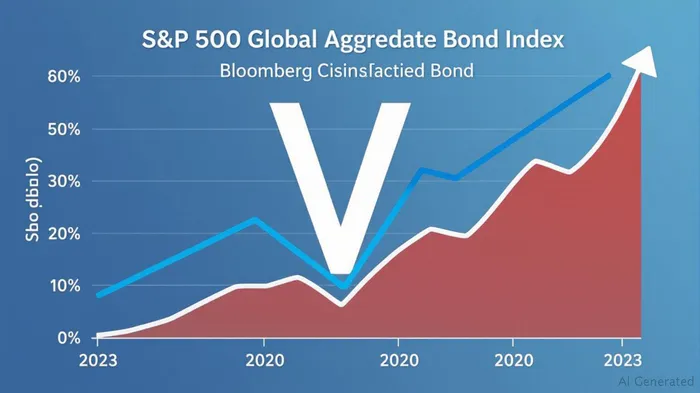
As of June 2025, the S&P 500 has gained 18% since late 2022, while the Global Aggregate Bond Index remains down 3%. This divergence reflects a market split between pessimism about macro risks and optimism about corporate resilience.
The Supermarket Analogy: Pricing Discipline and Bargain Hunting
Consider the supermarket analogy: When a store slashes prices on a popular product, it's often a signal to buy before the deal disappears. Today's equity markets offer a similar dynamic.
- Risk-Adjusted Returns: Over the past 40 years, equities have delivered an average annualized return of 9.2%, versus bonds' 4.1%, with a Sharpe ratio (risk-adjusted return) of 0.6 versus bonds' 0.3.
- Valuation Gaps: The S&P 500's forward P/E ratio of 18.5 is below its 20-year average of 20.8, even as bond yields remain elevated.
This mispricing creates a buying opportunity for investors with a 3-5 year horizon. Just as a shopper ignores the "sale" sign at their peril, investors who dismiss equities' current valuation discounts risk missing out on future growth.
Strategic Rebalancing: Time to Lean into Equities
The path forward demands discipline. Investors should:
1. Rebalance Toward Equities: Shift allocations from bonds to stocks, particularly in sectors like technology, healthcare, and consumer staples that have shown earnings resilience.
2. Embrace Alternatives: Diversify further with commodities (e.g., gold, copper) or real estate investment trusts (REITs), which offer inflation hedging without bond-like rate sensitivity.
3. Focus on Duration: Shorten equity duration exposure by favoring companies with strong balance sheets and recurring revenue models.
This data underscores that correlations are mean-reverting. As the economy stabilizes, the traditional inverse relationship will likely return—but not before creating a window for equity outperformance.
Conclusion: Capitalize on the Mismatch
The stock-bond disagreement is a reminder that markets are not static. The 2022 crisis exposed vulnerabilities in traditional portfolios, but today's divergence offers a chance to rebuild them strategically. For long-term investors, the calculus is clear: equities are priced for pessimism but positioned for recovery. By rebalancing with discipline and a long-term lens, investors can turn this mismatch into a durable advantage.
As always, the key lies in recognizing that markets reward patience—and punish those who let fear dictate their decisions.







Comentarios
Aún no hay comentarios