
Sterling's Storm: Trade Wars, Fiscal Folly, and the Road to Devaluation
The British pound is teetering on a cliff—and the catalysts are clear. With Donald Trump's tariff threats lingering, UK fiscal discipline collapsing, and global central banks turning hawkish, the GBP is primed for a nosedive. Investors should brace for a perfect storm, and here's why.
Trade Tensions: The 25% Steel Tax Sword of Damocles
The U.S.-UK trade deal, hailed as a breakthrough, is a house built on sand. While automotive tariffs were slashed to 10%, steel and aluminum remain stuck at 25%—with a July 9 deadline looming. Fail to resolve this, and tariffs could double to 50%, crippling UK exporters. Automotive quotas (capped at 100,000 cars annually) are a stopgap, but steel producers face existential risks.
The U.S. has already shown its teeth with 30% tariffs on the EU and Mexico. The UK's exemption is conditional, and with talks stalling, the pound is paying the price.
Fiscal Folly: No Austerity, Just Inflation
The UK's fiscal recklessness is a second pillar of weakness. Chancellor Jeremy Hunt's “no new taxes” pledge clashes with soaring public debt—100% of GDP—and a budget deficit that refuses to shrink. Meanwhile, inflation, though easing, remains above 5%, squeezing households. The Bank of England's (BoE) delayed rate hikes have compounded the problem.
Governor Andrew Bailey's hints at rate cuts if the jobs market softens? That's a dovish signal in a world of hawkish central banks. Contrast this with the Fed's 5.5% terminal rate or the ECB's 4.5%—the BoE's 5.25% is looking increasingly weak.
Policy Divergence: The BoE's Isolation
Global central banks are tightening to combat inflation. The BoE? It's stuck between a rock and a hard place. A recession looms, and the government's fiscal largesse means the BoE can't afford to be aggressive. The result? A widening interest rate gap versus peers, dragging GBP lower.
Technicals: $1.32-$1.33—Sterling's Breaking Point
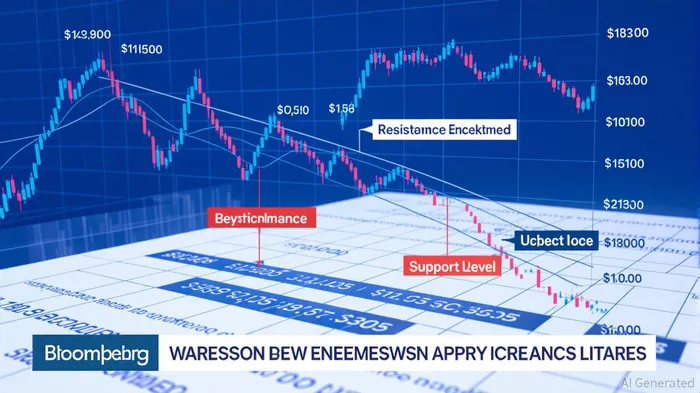
GBP/USD is testing support at $1.32-$1.33, a level it can't hold if trade talks collapse or the BoE capitulates. Break below this, and the next target is $1.28, where the 2023 lows lie. Resistance is at $1.35, but with August's BoE meeting and the July 9 tariff deadline, buyers are fools.
Investment Play: Short GBP/USD—Now
Act before August 1. Short GBP/USD at current levels, targeting $1.28 by month-end. Use stop-losses above $1.35. Pair this with long positions in commodities (gold, oil) or U.S. equities (SPY) as global volatility spikes.
For the bold, consider put options on FXB (WisdomTree British pound ETF) or short GBP futures. This isn't just a trade—it's an insurance policy against the UK's crumbling macro landscape.
Final Warning: Don't Let SterlingSTRL-- Sink Your Portfolio
Sterling's decline isn't a blip—it's a structural issue. Trade wars, fiscal rot, and monetary policy misalignment are a toxic trio. The August BoE meeting and July 9 tariff deadline are inflection points. Position for GBP weakness, and watch your gains grow.
Remember: When in doubt, short the pound.
—
This analysis is for informational purposes only. Always consult a financial advisor before making investment decisions.







Comentarios
Aún no hay comentarios