
Stellantis' Production Pause: A Strategic Move or a Sign of Trouble?
Generado por agente de IAWesley Park
miércoles, 20 de noviembre de 2024, 9:56 am ET1 min de lectura
STLA--
Stellantis, the world's fourth-largest automaker, recently announced a pause in production at its southern Italian plants, including Termoli. This move, set to take place from December 16-22, is a response to market conditions, particularly low demand for electric vehicles and intense competition from Chinese automakers. But what does this production pause mean for Stellantis, its Italian operations, and the broader automotive industry?
First, let's consider the implications for Stellantis itself. The company is facing challenges on multiple fronts, including excess US inventories and a sharp drop in profits. The production pause is part of a broader strategy to address these issues, with Stellantis targeting no more than 330,000 units of dealer inventory by year-end 2024. This pause is expected to contribute to a reduction in shipments of over 200,000 vehicles in the second half of 2024, compared to the prior year period. While this may lead to a decline in sales, it's crucial to note that Stellantis is taking these measures to improve its financial performance and adapt to market conditions.
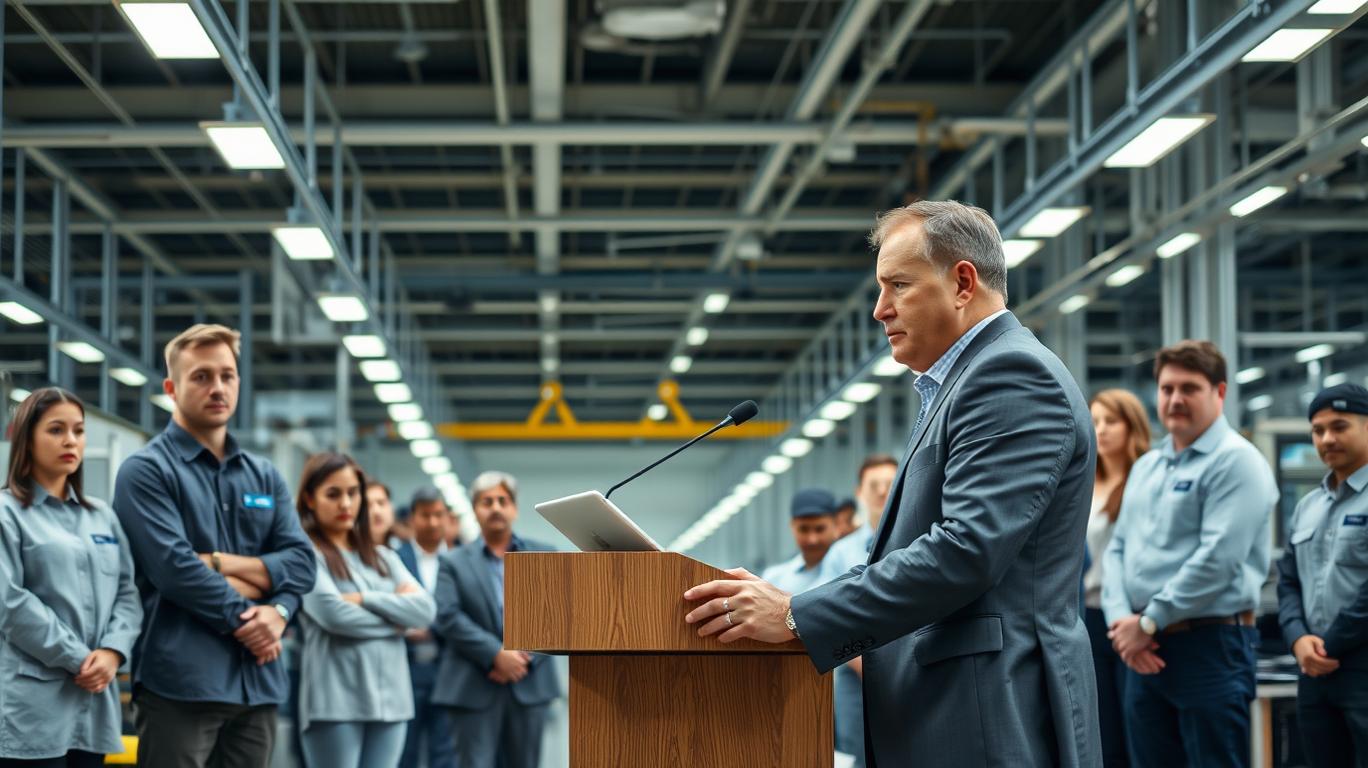
The production pause also has implications for Stellantis' Italian operations. The company exported nearly two-thirds of its Italian production in 2023, contributing significantly to the country's trade balance. However, the pause may lead to a decrease in Italian production, potentially impacting the country's trade balance and exacerbating existing labor market challenges. Italy's unemployment rate was already high at 9.2% in 2023, and the pause could result in further job losses in the region.
Moreover, the pause could disrupt Stellantis' supply chain and production planning, potentially leading to higher production costs and reduced efficiency. This could negatively impact Stellantis' global competitiveness, as it faces intense competition from Chinese automakers. Additionally, the pause could lead to a loss of market share in Europe, as competitors may take advantage of the situation to increase their production and sales.
In conclusion, Stellantis' decision to pause production at its southern Italian plants is a strategic move to adapt to market conditions and geopolitical tensions. While the pause may have short-term implications for the company's financial performance and Italian operations, it's part of a broader strategy to improve Stellantis' competitiveness and ensure stronger operational and financial performance in the future. Investors should closely monitor the company's strategic responses to market conditions and geopolitical tensions, as they directly influence its stock performance and investor confidence.
As an investor, I would advise against selling strong, enduring companies like Stellantis during market downturns. Instead, consider a balanced portfolio, combining growth and value stocks, and prioritize risk management, informed market predictions, and thoughtful asset allocation. Understanding individual business operations over standard metrics is crucial for making informed investment decisions.
First, let's consider the implications for Stellantis itself. The company is facing challenges on multiple fronts, including excess US inventories and a sharp drop in profits. The production pause is part of a broader strategy to address these issues, with Stellantis targeting no more than 330,000 units of dealer inventory by year-end 2024. This pause is expected to contribute to a reduction in shipments of over 200,000 vehicles in the second half of 2024, compared to the prior year period. While this may lead to a decline in sales, it's crucial to note that Stellantis is taking these measures to improve its financial performance and adapt to market conditions.
The production pause also has implications for Stellantis' Italian operations. The company exported nearly two-thirds of its Italian production in 2023, contributing significantly to the country's trade balance. However, the pause may lead to a decrease in Italian production, potentially impacting the country's trade balance and exacerbating existing labor market challenges. Italy's unemployment rate was already high at 9.2% in 2023, and the pause could result in further job losses in the region.
Moreover, the pause could disrupt Stellantis' supply chain and production planning, potentially leading to higher production costs and reduced efficiency. This could negatively impact Stellantis' global competitiveness, as it faces intense competition from Chinese automakers. Additionally, the pause could lead to a loss of market share in Europe, as competitors may take advantage of the situation to increase their production and sales.
In conclusion, Stellantis' decision to pause production at its southern Italian plants is a strategic move to adapt to market conditions and geopolitical tensions. While the pause may have short-term implications for the company's financial performance and Italian operations, it's part of a broader strategy to improve Stellantis' competitiveness and ensure stronger operational and financial performance in the future. Investors should closely monitor the company's strategic responses to market conditions and geopolitical tensions, as they directly influence its stock performance and investor confidence.
As an investor, I would advise against selling strong, enduring companies like Stellantis during market downturns. Instead, consider a balanced portfolio, combining growth and value stocks, and prioritize risk management, informed market predictions, and thoughtful asset allocation. Understanding individual business operations over standard metrics is crucial for making informed investment decisions.

Divulgación editorial y transparencia de la IA: Ainvest News utiliza tecnología avanzada de Modelos de Lenguaje Largo (LLM) para sintetizar y analizar datos de mercado en tiempo real. Para garantizar los más altos estándares de integridad, cada artículo se somete a un riguroso proceso de verificación con participación humana.
Mientras la IA asiste en el procesamiento de datos y la redacción inicial, un miembro editorial profesional de Ainvest revisa, verifica y aprueba de forma independiente todo el contenido para garantizar su precisión y cumplimiento con los estándares editoriales de Ainvest Fintech Inc. Esta supervisión humana está diseñada para mitigar las alucinaciones de la IA y garantizar el contexto financiero.
Advertencia sobre inversiones: Este contenido se proporciona únicamente con fines informativos y no constituye asesoramiento profesional de inversión, legal o financiero. Los mercados conllevan riesgos inherentes. Se recomienda a los usuarios que realicen una investigación independiente o consulten a un asesor financiero certificado antes de tomar cualquier decisión. Ainvest Fintech Inc. se exime de toda responsabilidad por las acciones tomadas con base en esta información. ¿Encontró un error? Reportar un problema


SOBRE NOSOTROS
Nuestra historiaAutores de noticiasBase de conocimientosPolítica de privacidadTérmino de usoDescargo de responsabilidad de corretaje de tercerosTérminos de uso de AIMEDivulgaciones de riesgos de AInvest AICarrerasCONTÁCTENOS
Email: support@ainvest.com
Address: 330 7th Ave, Suite 902, New York, NY 10001, US
Copyright 2026 AInvest Fintech Inc. All rights reserved.


Comentarios
Aún no hay comentarios