
Stellantis Airbag Recall Crisis: A Crossroads for Safety, Costs, and Investor Confidence
The recall of 1.4 million StellantisSTLA-- vehicles in Europe due to defective Takata airbags has thrust the automaker into the spotlight, exposing vulnerabilities in its supply chain, regulatory compliance, and brand reputation. This crisis, exacerbated by a fatal incident in June 2025, raises critical questions about how operational risks and eroding market confidence could reshape Stellantis' trajectory—and whether its stock (STLA) offers value for investors.
Supply Chain Vulnerabilities: The Takata Legacy
The root of the recall lies in Stellantis' historical reliance on Takata, a supplier whose ammonium nitrate-based airbag inflators have caused catastrophic failures globally. Acquired through the 2014 merger with Fiat Chrysler, Takata's legacy liabilities resurfaced in 2025, highlighting the risks of concentrated supplier networks. While Stellantis has allocated €951 million for recalls, the broader issue is systemic: overreliance on single-source suppliers leaves automakers exposed to defects and liability cascades.
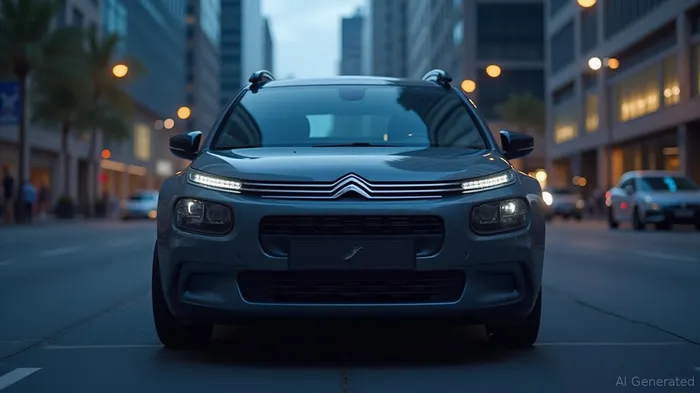
The French government's “stop-drive” order for 82,000 Citroën C3 and DS3 models—later expanded to 1.4 million vehicles—underscores how regulatory responses can amplify operational risks. Unlike software recalls (e.g., the $30–50 million Ram ProMaster van fix), Takata-related recalls require physical repairs, straining resources and dealer networks.
Financial Costs and Regulatory Pressures
Stellantis' Q1 2025 net revenues dropped 14% to €35.8 billion, with the company suspending its 2025 financial guidance due to U.S. tariff uncertainties and recall-related costs. While the Takata recall's €951 million allocation is manageable within its $2.1 billion warranty reserves, recurring defects—such as a 2025 airbag issue in 71 Ram 1500 units—signal deeper quality control flaws.
Regulatory scrutiny is intensifying. Ford's $165 million penalty in late 2024 for delayed recalls and Honda's unresolved legal battles (including a €285 million Italian class-action lawsuit) suggest Stellantis may face similar fines. A would reveal whether Stellantis' exposure is outlier or industry-standard.
Reputational Damage and Market Confidence
The fatal Citroën C3 incident in June 2025—a direct result of the defective airbags—has eroded consumer trust. French Transport Minister Clément Beaune's condemnation of Stellantis' response as “unacceptable” amplifies reputational harm. This contrasts with Ford's ability to leverage its “All-American” branding and EV investments to offset recall concerns.
shows STLASTLA-- down 57% year-to-date, while Ford's stock held up better due to EV optimism. This divergence highlights how Stellantis' broader operational and reputational challenges outweigh its peers' resilience.
Investment Implications: Short-Term Caution vs. Long-Term Value
Short-Term Risks:
- Tariff Uncertainty: U.S. trade policies threaten profitability, with Stellantis suspending guidance and idling Canadian production.
- Recall Fatigue: Proliferating software and hardware defects (e.g., faulty tire sensors, headlight malfunctions) signal systemic quality issues.
- Regulatory Penalties: Potential fines could strain margins further, especially if recalls expand.
Long-Term Opportunities:
- EV Leadership: Stellantis' Battery Cell Division and partnerships (e.g., Samsung SDI) position it to capitalize on EV demand, which now accounts for 10% of global auto sales.
- Cost Cutting: CEO Carlos Tavares' restructuring track record includes reducing industrial free cash flow outflows and streamlining operations.
- Warranty Reserves: Current reserves may absorb near-term recall costs, though recurring defects could deplete them.
Investment Advice:
- Short-Term Traders: Avoid STLA until Q2/Q3 2025 earnings clarify cost impacts and recall scope. A (currently 5.56%) might attract income-focused investors, but liquidity risks persist.
- Long-Term Investors: Consider accumulating shares if STLA dips below $15 (a 30% discount to its 2023 peak), provided software recalls subside and tariff policies stabilize. Monitor J.D. Power rankings and warranty costs (target ≤2.9% of revenue by 2025).
Conclusion: Navigating the Recall Crossroads
Stellantis' airbag crisis is a microcosm of the automotive industry's struggle to balance innovation with safety and compliance. While recalls and tariffs pose near-term hurdles, the company's EV ambitions and cost discipline offer a path to recovery. Investors must weigh the risks of a brand in reputational freefall against its structural advantages. For now, patience—and a focus on quality metrics—remains the wisest strategy.
As regulatory and consumer scrutiny intensifies, Stellantis' ability to transform operational risks into opportunities will determine whether this recall is a speed bump or a roadblock.





Comentarios
Aún no hay comentarios