
Stellantis' $807M UK Lawsuit Over Airbag, Seatbelt Cartels Dismissed
Generado por agente de IAHarrison Brooks
viernes, 21 de febrero de 2025, 9:55 am ET1 min de lectura
ALV--
Stellantis, the world's fourth-largest automaker, has suffered a significant setback in its $807 million lawsuit against Autoliv and ZF TRW, as the case was dismissed by the Competition Appeal Tribunal (CAT) in the UK. The lawsuit, which was filed in 2023, alleged that the defendants had engaged in anti-competitive practices by colluding on prices for airbags and seatbelts, leading to overcharges for Stellantis.
The CAT ruled that Stellantis had failed to provide sufficient evidence to support its claims, leading to the dismissal of the case. The automaker had argued that the defendants' anti-competitive practices had a broader impact on the market, affecting not only the carmakers mentioned in the European Commission's decisions but also Stellantis' brands. However, the court found that Stellantis had not presented enough evidence to prove this claim.
The defendants, Autoliv and ZF TRW, had argued that the European Commission's investigation, which lasted for several years and involved their cooperation, did not find that Stellantis was targeted by the cartel. They maintained that there was no collusion beyond what was found by the European Commission and that any overcharge would have been passed on to customers by Stellantis.
The trial at the CAT was expected to take five weeks, indicating the complexity and significance of the case. The outcome of this lawsuit will have implications for other companies considering similar legal action against defendants involved in cartels.
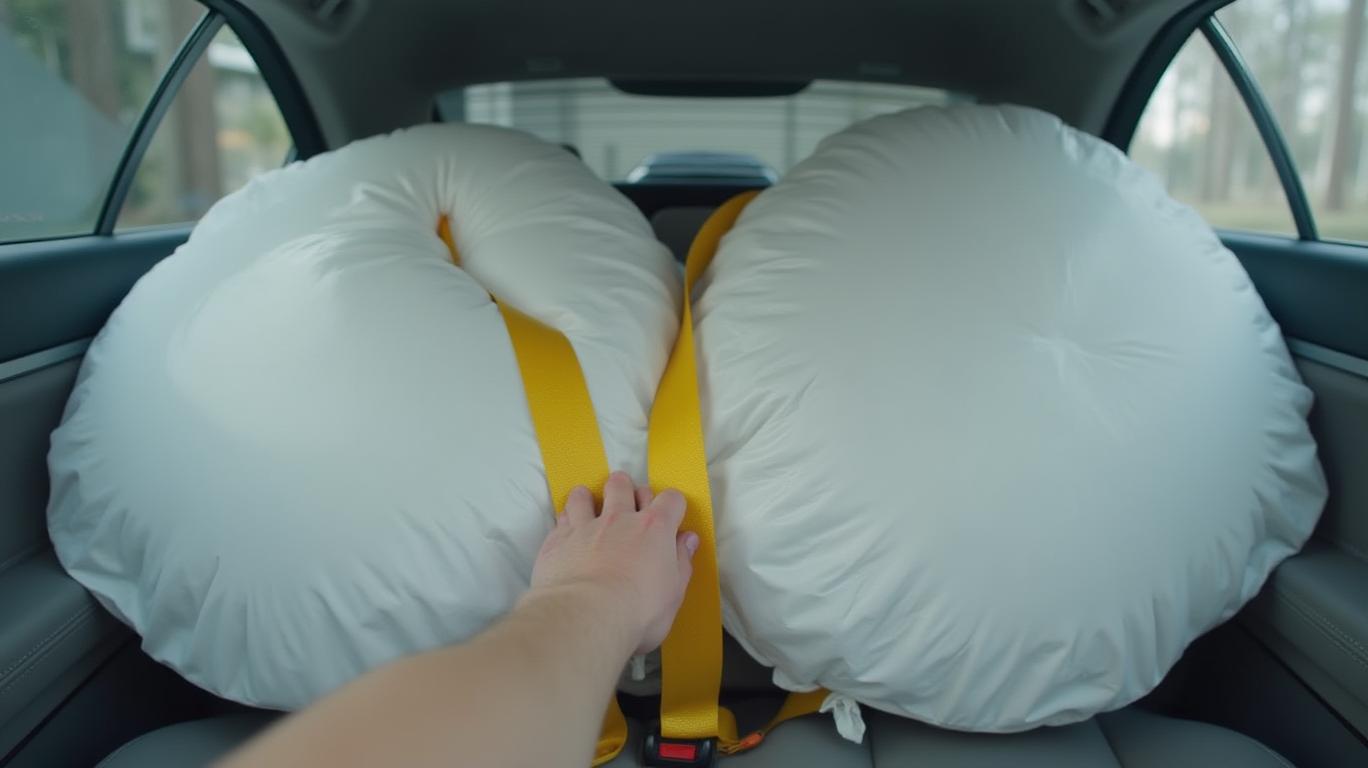
The dismissal of Stellantis' lawsuit highlights the importance of thorough investigations and the need for strong evidence to support claims of anti-competitive behavior. Companies considering similar legal action should ensure they conduct thorough investigations to gather evidence supporting their claims and present a solid case to the court. Additionally, the appointment of a single joint expert, as in this case, can help streamline the litigation process and promote consistency in the presentation of economic evidence. However, it is crucial to consider potential conflicts of interest and ensure that the expert's testimony remains unbiased and fair.
STLA--
Stellantis, the world's fourth-largest automaker, has suffered a significant setback in its $807 million lawsuit against Autoliv and ZF TRW, as the case was dismissed by the Competition Appeal Tribunal (CAT) in the UK. The lawsuit, which was filed in 2023, alleged that the defendants had engaged in anti-competitive practices by colluding on prices for airbags and seatbelts, leading to overcharges for Stellantis.
The CAT ruled that Stellantis had failed to provide sufficient evidence to support its claims, leading to the dismissal of the case. The automaker had argued that the defendants' anti-competitive practices had a broader impact on the market, affecting not only the carmakers mentioned in the European Commission's decisions but also Stellantis' brands. However, the court found that Stellantis had not presented enough evidence to prove this claim.
The defendants, Autoliv and ZF TRW, had argued that the European Commission's investigation, which lasted for several years and involved their cooperation, did not find that Stellantis was targeted by the cartel. They maintained that there was no collusion beyond what was found by the European Commission and that any overcharge would have been passed on to customers by Stellantis.
The trial at the CAT was expected to take five weeks, indicating the complexity and significance of the case. The outcome of this lawsuit will have implications for other companies considering similar legal action against defendants involved in cartels.
The dismissal of Stellantis' lawsuit highlights the importance of thorough investigations and the need for strong evidence to support claims of anti-competitive behavior. Companies considering similar legal action should ensure they conduct thorough investigations to gather evidence supporting their claims and present a solid case to the court. Additionally, the appointment of a single joint expert, as in this case, can help streamline the litigation process and promote consistency in the presentation of economic evidence. However, it is crucial to consider potential conflicts of interest and ensure that the expert's testimony remains unbiased and fair.

Divulgación editorial y transparencia de la IA: Ainvest News utiliza tecnología avanzada de Modelos de Lenguaje Largo (LLM) para sintetizar y analizar datos de mercado en tiempo real. Para garantizar los más altos estándares de integridad, cada artículo se somete a un riguroso proceso de verificación con participación humana.
Mientras la IA asiste en el procesamiento de datos y la redacción inicial, un miembro editorial profesional de Ainvest revisa, verifica y aprueba de forma independiente todo el contenido para garantizar su precisión y cumplimiento con los estándares editoriales de Ainvest Fintech Inc. Esta supervisión humana está diseñada para mitigar las alucinaciones de la IA y garantizar el contexto financiero.
Advertencia sobre inversiones: Este contenido se proporciona únicamente con fines informativos y no constituye asesoramiento profesional de inversión, legal o financiero. Los mercados conllevan riesgos inherentes. Se recomienda a los usuarios que realicen una investigación independiente o consulten a un asesor financiero certificado antes de tomar cualquier decisión. Ainvest Fintech Inc. se exime de toda responsabilidad por las acciones tomadas con base en esta información. ¿Encontró un error? Reportar un problema


SOBRE NOSOTROS
Nuestra historiaAutores de noticiasBase de conocimientosPolítica de privacidadTérmino de usoDescargo de responsabilidad de corretaje de tercerosTérminos de uso de AIMEDivulgaciones de riesgos de AInvest AICarrerasCONTÁCTENOS
Email: support@ainvest.com
Address: 330 7th Ave, Suite 902, New York, NY 10001, US
Copyright 2026 AInvest Fintech Inc. All rights reserved.


Comentarios
Aún no hay comentarios