
Steel Tariffs: A Double-Edged Sword for US Manufacturers
Generado por agente de IAWesley Park
viernes, 17 de enero de 2025, 7:30 pm ET2 min de lectura
X--
The election of Donald Trump as the 47th US President could significantly influence steel prices in the country. Here's how:
Potential Tariff Changes: If the new administration enacts higher import tariffs on steel, this policy may immediately affect supply chains. A restricted supply of foreign steel could lead to increased domestic demand, potentially driving up prices.
Price Adjustments: With limited imports, domestic producers might capitalize on the altered market dynamics, accelerating price hikes. This could result in steel prices rising faster than analysts previously predicted.
Market Reactions: The uncertainty surrounding new policies might initially cause volatility in the steel market. Stakeholders, including manufacturers and construction industries, should be prepared for potential cost fluctuations.
Steel Imports From China
The potential for Donald Trump to impose tariffs on Chinese steel imports into the United States in his upcoming term involves considering several aspects:
Historical Precedent: During his first term, Trump imposed tariffs on Chinese steel under Section 232 of the Trade Expansion Act of 1962, which allows the president to impose tariffs for national security reasons. These tariffs were part of broader trade actions against China, including a 25% tariff on steel imports from China. This history suggests a likelihood of similar policies if he returns to office, as he has expressed a strong preference for protectionist trade policies.
Campaign Promises: Trump has proposed significant tariff increases on all imports, with specific mention of a 60% tariff on Chinese goods, which would include steel. This indicates his intention to continue or escalate his previous tariff policies if re-elected.
Economic and Political Context: The rationale behind these tariffs typically includes protecting domestic industries from what is perceived as unfair competition, reducing trade deficits, and addressing alleged unfair trade practices by China, such as intellectual property theft and subsidies to state-owned enterprises. The economic impact of his previous tariffs was mixed, with some sectors gaining from protection but consumers and other industries facing higher costs.
Current Administration’s Stance: The current Biden administration has maintained many of Trump’s tariffs but has also taken steps like replacing some tariffs with tariff-rate quotas (TRQs) for certain countries on steel and aluminum. However, Biden has also added tariffs on specific Chinese goods, including those impacting the steel sector, in response to China’s trade practices. This continuation of a hard line against Chinese imports might suggest that there’s a bipartisan agreement on some level about protecting domestic industries, which Trump could further leverage.
Public and Industry Sentiment: There’s a mix of anticipation and concern within the U.S. steel industry about Trump’s potential return. Some see it as an opportunity for protection from cheap imports, while others are wary of potential retaliatory measures from China that could affect U.S. exports. Posts on X indicate that there’s industry preparation for such policy shifts, with companies in the steel sector already considering the implications of higher tariffs on Chinese steel.
Given these points, while there’s no definitive statement from Trump or his campaign specifically targeting Chinese steel for 2025, the combination of his past actions, campaign rhetoric, and the current political and economic context strongly suggests that he would likely impose or increase tariffs on Chinese steel imports when he returns to office. Nevertheless, the exact nature, extent, and timing of these tariffs would depend on the broader geopolitical and economic strategies at the time of implementation.
Anticipated Effects of New Steel Production Facilities on the 2025 Market
In 2025, the steel market is poised for transformation due to the addition of substantial new production capacities. This expansion could lead to increased competition among steel producers, potentially driving down prices. However, the impact on the overall market will depend on various factors, such as the demand for steel products, the efficiency of new production facilities, and the ability of established producers to adapt to the changing market dynamics.
In conclusion, the potential impacts of Donald Trump’s election on US steel prices are complex and multifaceted. While higher tariffs on Chinese steel imports could lead to increased domestic demand and higher prices, the market reactions and the effects of new steel production facilities in 2025 may offset these impacts. Stakeholders in the steel industry should closely monitor the evolving political landscape and market dynamics to make informed decisions about their investments and strategies.
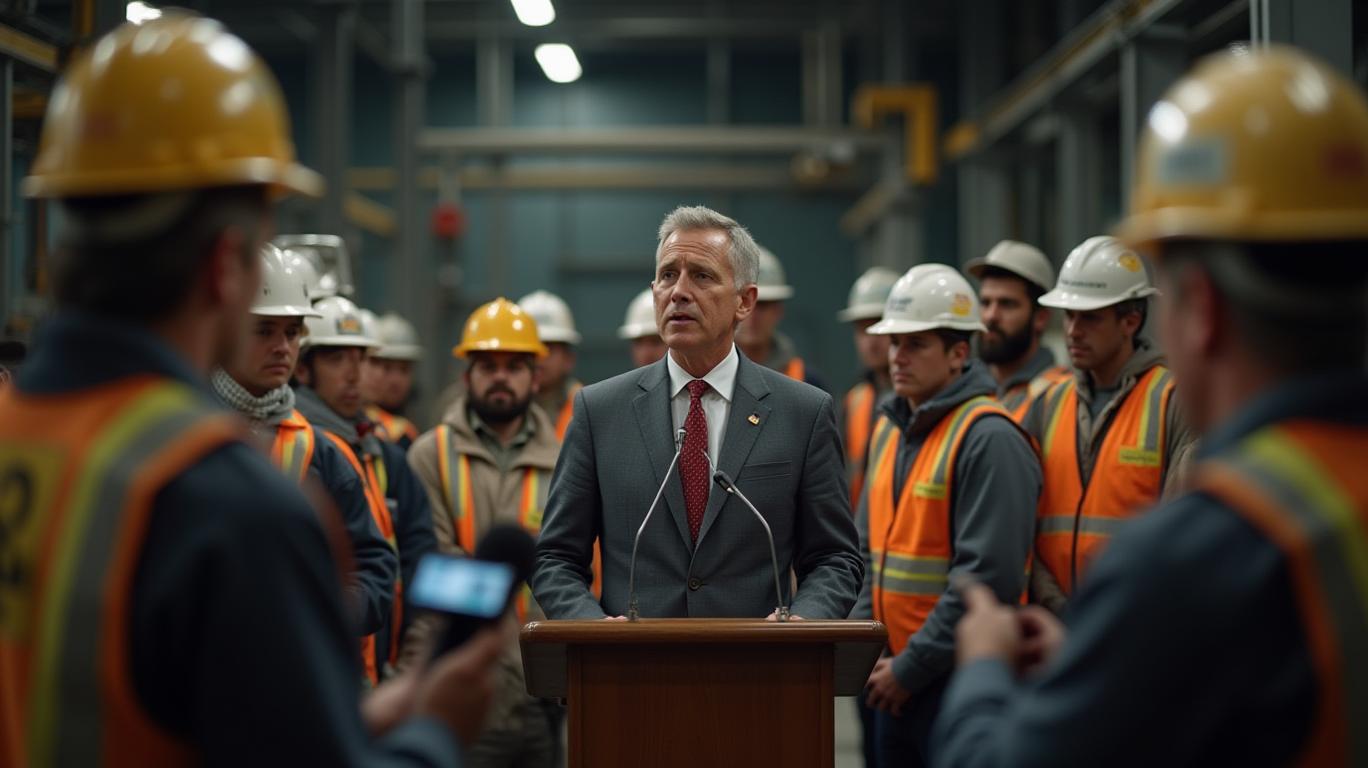
The election of Donald Trump as the 47th US President could significantly influence steel prices in the country. Here's how:
Potential Tariff Changes: If the new administration enacts higher import tariffs on steel, this policy may immediately affect supply chains. A restricted supply of foreign steel could lead to increased domestic demand, potentially driving up prices.
Price Adjustments: With limited imports, domestic producers might capitalize on the altered market dynamics, accelerating price hikes. This could result in steel prices rising faster than analysts previously predicted.
Market Reactions: The uncertainty surrounding new policies might initially cause volatility in the steel market. Stakeholders, including manufacturers and construction industries, should be prepared for potential cost fluctuations.
Steel Imports From China
The potential for Donald Trump to impose tariffs on Chinese steel imports into the United States in his upcoming term involves considering several aspects:
Historical Precedent: During his first term, Trump imposed tariffs on Chinese steel under Section 232 of the Trade Expansion Act of 1962, which allows the president to impose tariffs for national security reasons. These tariffs were part of broader trade actions against China, including a 25% tariff on steel imports from China. This history suggests a likelihood of similar policies if he returns to office, as he has expressed a strong preference for protectionist trade policies.
Campaign Promises: Trump has proposed significant tariff increases on all imports, with specific mention of a 60% tariff on Chinese goods, which would include steel. This indicates his intention to continue or escalate his previous tariff policies if re-elected.
Economic and Political Context: The rationale behind these tariffs typically includes protecting domestic industries from what is perceived as unfair competition, reducing trade deficits, and addressing alleged unfair trade practices by China, such as intellectual property theft and subsidies to state-owned enterprises. The economic impact of his previous tariffs was mixed, with some sectors gaining from protection but consumers and other industries facing higher costs.
Current Administration’s Stance: The current Biden administration has maintained many of Trump’s tariffs but has also taken steps like replacing some tariffs with tariff-rate quotas (TRQs) for certain countries on steel and aluminum. However, Biden has also added tariffs on specific Chinese goods, including those impacting the steel sector, in response to China’s trade practices. This continuation of a hard line against Chinese imports might suggest that there’s a bipartisan agreement on some level about protecting domestic industries, which Trump could further leverage.
Public and Industry Sentiment: There’s a mix of anticipation and concern within the U.S. steel industry about Trump’s potential return. Some see it as an opportunity for protection from cheap imports, while others are wary of potential retaliatory measures from China that could affect U.S. exports. Posts on X indicate that there’s industry preparation for such policy shifts, with companies in the steel sector already considering the implications of higher tariffs on Chinese steel.
Given these points, while there’s no definitive statement from Trump or his campaign specifically targeting Chinese steel for 2025, the combination of his past actions, campaign rhetoric, and the current political and economic context strongly suggests that he would likely impose or increase tariffs on Chinese steel imports when he returns to office. Nevertheless, the exact nature, extent, and timing of these tariffs would depend on the broader geopolitical and economic strategies at the time of implementation.
Anticipated Effects of New Steel Production Facilities on the 2025 Market
In 2025, the steel market is poised for transformation due to the addition of substantial new production capacities. This expansion could lead to increased competition among steel producers, potentially driving down prices. However, the impact on the overall market will depend on various factors, such as the demand for steel products, the efficiency of new production facilities, and the ability of established producers to adapt to the changing market dynamics.
In conclusion, the potential impacts of Donald Trump’s election on US steel prices are complex and multifaceted. While higher tariffs on Chinese steel imports could lead to increased domestic demand and higher prices, the market reactions and the effects of new steel production facilities in 2025 may offset these impacts. Stakeholders in the steel industry should closely monitor the evolving political landscape and market dynamics to make informed decisions about their investments and strategies.

Divulgación editorial y transparencia de la IA: Ainvest News utiliza tecnología avanzada de Modelos de Lenguaje Largo (LLM) para sintetizar y analizar datos de mercado en tiempo real. Para garantizar los más altos estándares de integridad, cada artículo se somete a un riguroso proceso de verificación con participación humana.
Mientras la IA asiste en el procesamiento de datos y la redacción inicial, un miembro editorial profesional de Ainvest revisa, verifica y aprueba de forma independiente todo el contenido para garantizar su precisión y cumplimiento con los estándares editoriales de Ainvest Fintech Inc. Esta supervisión humana está diseñada para mitigar las alucinaciones de la IA y garantizar el contexto financiero.
Advertencia sobre inversiones: Este contenido se proporciona únicamente con fines informativos y no constituye asesoramiento profesional de inversión, legal o financiero. Los mercados conllevan riesgos inherentes. Se recomienda a los usuarios que realicen una investigación independiente o consulten a un asesor financiero certificado antes de tomar cualquier decisión. Ainvest Fintech Inc. se exime de toda responsabilidad por las acciones tomadas con base en esta información. ¿Encontró un error? Reportar un problema


SOBRE NOSOTROS
Nuestra historiaAutores de noticiasBase de conocimientosPolítica de privacidadTérmino de usoDescargo de responsabilidad de corretaje de tercerosTérminos de uso de AIMEDivulgaciones de riesgos de AInvest AICarrerasCONTÁCTENOS
Email: support@ainvest.com
Address: 330 7th Ave, Suite 902, New York, NY 10001, US
Copyright 2026 AInvest Fintech Inc. All rights reserved.


Comentarios
Aún no hay comentarios