
The Steel Tariff Tsunami: Navigating Risks and Opportunities in Global Markets
The escalating EU-U.S. steel tariff war has reached a boiling point, reshaping global trade dynamics and creating both peril and promise for investors. As tariffs surge to unprecedented levels—25% for steel and aluminum, with threats of 50% on EU imports—the ripple effects are rippling across supply chains, pricing structures, and geopolitical alliances. For investors, this is a pivotal moment to dissect the risks and opportunities in this volatile landscape.
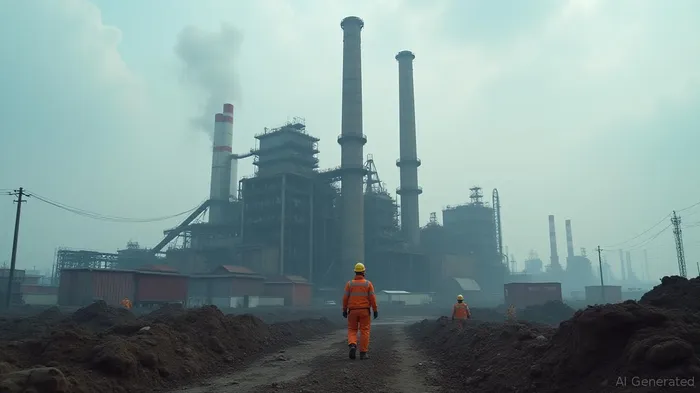
The Tariff Tsunami: Immediate Impacts
The U.S. Section 232 tariffs on steel and aluminum, now at 25%, have been compounded by retaliatory measures from the EU, which reinstated 2018-era tariffs on U.S. goods like bourbon and textiles. Meanwhile, President Trump's May 23 threat to impose a 50% tariff on all EU imports—though legally suspended—has sent shockwaves through markets. The result? A trade-diversion scramble:
- EU Steel Exporters Under Siege: European producers like ArcelorMittalMT-- and ThyssenKrupp face a stark choice—redirect exports to Asia, Latin America, or Africa, or pivot to U.S. markets via Canadian or Mexican subsidiaries under the USMCA agreement.
- U.S. Buyers Pay the Price: . The data shows a 40% drop in EU-U.S. steel trade since 2023, with diverted exports to China and Southeast Asia surging. This shift has driven up prices for U.S. consumers, with motor vehicle costs rising 9.3% since 2023.
Opportunities in the Tariff Chaos
The disruption presents three key avenues for strategic investment:
1. Trade Diversion Winners
Invest in companies positioned to capitalize on redirected trade flows:
- Asian Steel Producers: Firms like China's Baowu Steel or India's Tata Steel could gain market share as EU producers pivot eastward.
- USMCA-Compliant Players: U.S. and Canadian steelmakers (e.g., Nucor, Rio Tinto) benefit from tariff exemptions under the USMCA agreement.
2. Geopolitical Arbitrage
Leverage the EU's countermeasures and U.S. legal battles:
- EU Companies with Diversified Markets: Look for European steel firms with strong exposure to non-U.S. markets. For instance, could reveal a shift toward Asia.
- U.S. Firms in "Safe" Sectors: Companies in industries less affected by tariffs, like specialty steel for autos or tech, may outperform.
3. Policy-Proof Plays
Focus on firms insulated from tariff volatility:
- Recyclers and Low-Carbon Producers: Steelmakers investing in green tech (e.g., SSAB in Sweden) may thrive as demand for carbon-neutral products rises.
- Tariff-Exempt Materials: Investors could pivot to aluminum substitutes or advanced composites, which are less exposed to trade wars.
Risks to Avoid: The Tariff Minefield
The tariff turmoil is fraught with pitfalls:
1. Overexposed EU Producers
Firms heavily reliant on U.S. exports—like Austrian-based Voestalpine—face margin pressure unless they pivot quickly. illustrates how tariff spikes correlate with declining shares of EU-based manufacturers.
2. Legal Uncertainty
The U.S. court battle over tariffs' legality means volatility will persist. Short-term traders might profit from swings, but long-term investors should favor firms with hedged exposure.
3. Inflationary Headwinds
Steel-dependent industries—construction, autos, machinery—are already pricing in tariff costs. Companies unable to pass costs to consumers (e.g., low-margin manufacturers) could see profit margins crushed.
Actionable Strategies for Investors
- Go Long on Trade Diversion:
Allocate 15–20% of a portfolio to Asian steel equities or USMCA-compliant firms.
Short Overexposed EU Stocks:
Consider short positions on EU steel stocks with >30% U.S. revenue exposure.
Hedge with Commodities:
Use futures to hedge against rising steel prices or currency fluctuations tied to trade disputes.
Monitor Legal Milestones:
- Track the U.S. Supreme Court's stance on tariffs post-2025. A reversal could trigger a sudden market rebound.
Conclusion: Ride the Wave, Not the Tariff
The EU-U.S. steel tariff war is a defining moment for investors. While risks loom large—geopolitical tensions, legal limbo, and inflation—the opportunities are equally compelling. By focusing on trade diversion winners, policy-proof plays, and geopolitical arbitrage, investors can turn this tempest into a tide of profit. The question isn't whether to act, but how quickly you can position yourself to navigate the storm.
Act now—before the next tariff wave hits.





Comentarios
Aún no hay comentarios