
Steel vs. Silicon: Why Tesla's AI Future Outshines the Cyclicality of Steel Stocks
The global economy is at a crossroads, balancing between the fading era of heavy industry and the rise of cutting-edge innovation. Nowhere is this tension clearer than in the stark contrast between the steel sector's cyclical struggles and Tesla's AI-driven transformation. For investors, the choice is clear: bet on the past or the future. Here's why Tesla's tech-forward vision—and its undervalued potential—should dominate your portfolio today.
The Steel Sector: A World of Overcapacity and Geopolitical Headwinds
The steel industry, a linchpin of global infrastructure, is mired in a perfect storm of overproduction, trade wars, and environmental mandates. By 2025, global crude steel output has been downgraded to 1.846 billion metric tons, a 34 million-tonne drop from earlier forecasts. China's dominance is fading, with production set to fall below 1 billion tons—a historic shift driven by government-mandated cuts and stagnant construction demand. Meanwhile, India and Southeast Asia are filling the gap, but they face trade barriers like anti-dumping duties that limit growth.
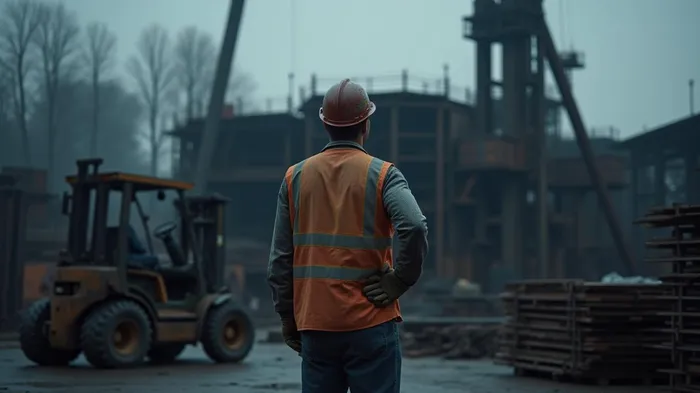
Key challenges for steel investors include:
- Price Volatility: U.S. hot-rolled coil prices swung between $900–$940/ton in early 2025, driven by scrap cost spikes and production bottlenecks.
- Overcapacity: Global steelmaking capacity exceeds demand by 552 million tons, with more coming online in regions like the Middle East.
- Regulatory Pressures: The EU's Carbon Border Adjustment Mechanism (CBAM) and China's production caps force costly transitions to greener technologies.
Even stalwarts like U.S. Steel reported a Q1 2025 net loss of $116 million, while Nucor saw earnings drop 80% year-over-year to $0.67/share. While both companies anticipate Q2 improvements, their path to sustained profitability hinges on factors beyond their control: macroeconomic demand, trade policies, and raw material prices.
Tesla: The AI-Driven Disruptor Rewriting the Rules of Mobility
While steel giants battle cyclical headwinds, Tesla is building a future where artificial intelligence and robotics redefine transportation. Its pivot from electric vehicles (EVs) to AI-driven services—like its robotaxi fleet and humanoid Optimus robots—is underpinning a valuation model that far exceeds traditional manufacturing metrics.
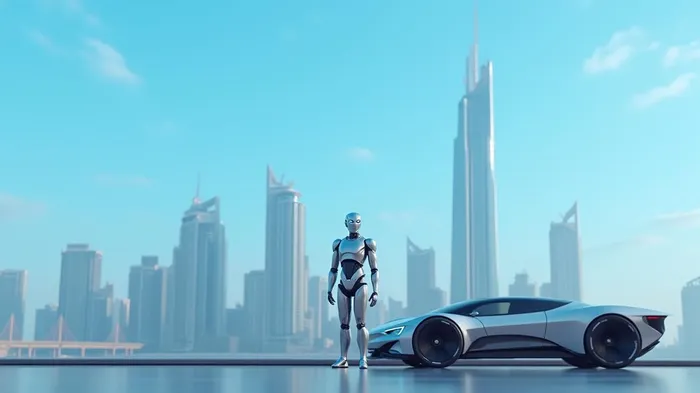
Tesla's AI roadmap includes:
1. Robotaxis by 2027: Plans to deploy 2 million autonomous Cybercab units annually, generating a $1-per-mile revenue stream.
2. Optimus Commercialization: Targeting 2 million humanoid robots by 2027, priced under $30,000, to automate industrial tasks.
3. Unsupervised Autopilot: Launching in Texas (July 2025), with a 41.4% CAGR in revenue projected through 2030.
These initiatives are fueling a $1 trillion market cap valuation (as of March 2025), implying a 27.6% upside from current prices. Even in a bear-case scenario, Tesla's AI divisions could justify a $685 billion valuation—far above its peers in the automotive sector.
Why Tesla's Valuation Outshines Steel's Cyclicality
The contrast between TeslaTSLA-- and steel stocks isn't just about growth—it's about risk profiles and long-term trajectories.
| Factor | Steel Sector | Tesla |
|---|---|---|
| Revenue Stability | Volatile, tied to construction/commodity cycles | Predictable, driven by high-margin AI services |
| Regulatory Risk | Strangled by emissions targets and trade wars | Positioned to benefit from clean tech incentives |
| Moat Potential | None; overcapacity invites price wars | Strong; AI/robotics require massive capital and expertise |
| Valuation Multiples | P/E ratios compressed due to margin pressures | High P/E (124x in 2024) justified by AI-driven growth |
Steel's valuation is a relic of the past. Its stocks trade at 3.4x forward P/E by 2030, reflecting declining margins as overcapacity and geopolitical risks persist. Tesla, meanwhile, is a platform company in disguise—its AI divisions could unlock $1.3 trillion in value if executed well, far outpacing the steel sector's 2.9% annual growth.
Act Now: Tesla's AI Future is Undervalued Today
The steel sector is a high-risk, low-reward bet for investors. Its valuation is hostage to trade wars, weak construction demand, and regulatory overreach. Tesla, by contrast, is a once-in-a-decade opportunity to profit from the AI revolution.
Investment Thesis:
- Buy Tesla (TSLA) at current levels for long-term capital appreciation. Its AI divisions are undervalued, and execution risks (e.g., regulatory delays) are already priced into the stock.
- Avoid Overweighting in Steel: Stick to defensive plays like Nucor (NUE) for short-term dividends, but avoid cyclical bets on U.S. Steel (X) or global peers.
Conclusion: The Future is AI-First
The steel sector is stuck in a cycle of overproduction and geopolitical squabbles. Tesla, however, is rewriting the rules of mobility with AI-driven innovation. Its valuation may seem high today, but it's a fraction of what its autonomous services could command in a decade. For investors seeking growth beyond the cyclical grind, Tesla isn't just a stock—it's a bet on the future of technology itself. Act now before the market fully prices in its potential.
Disclosure: This analysis is for informational purposes only. Consult a financial advisor before making investment decisions.







Comentarios
Aún no hay comentarios