
Starmer Shifts to Air Support for Ukraine as Troop Hopes Dwindle
Generado por agente de IATheodore Quinn
jueves, 20 de marzo de 2025, 9:34 pm ET2 min de lectura
In a significant pivot, British Prime Minister Keir Starmer has shifted the focus of the UK's military support for Ukraine from ground troopsTROO-- to air and sea support. This strategic move comes as the coalition of nations supporting Ukraine grapples with the complexities of providing effective military aid without provoking a direct confrontation with Russia. The shift is not just a tactical adjustment but a reflection of the evolving geopolitical landscape and the need for a more nuanced approach to military support.
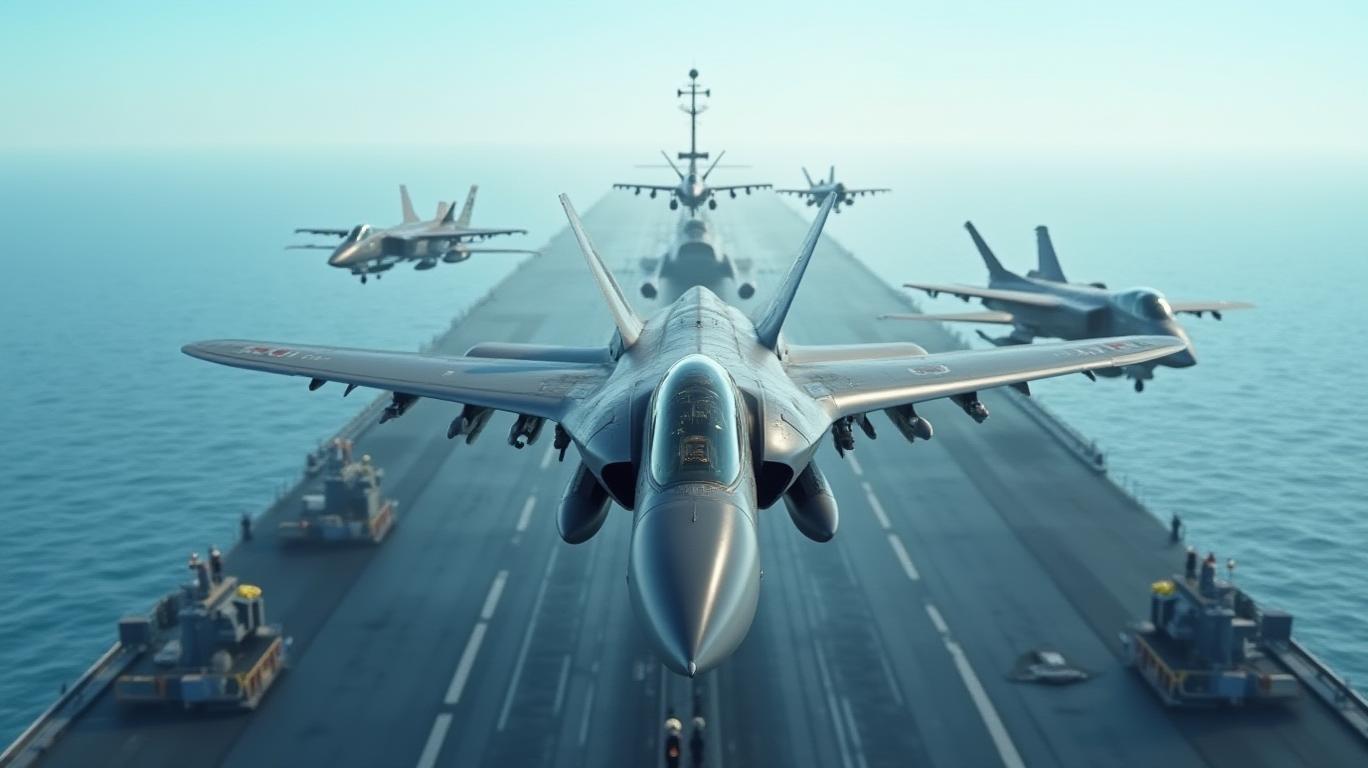
The decision to prioritize air and sea support over ground troops is driven by several factors. Firstly, the focus on air and sea support aligns with the key aim of ensuring safe airspace for Ukraine. As a senior British official noted, "safe air space had always been a key aim of Ukraine’s allies." This includes contributions from various countries, such as planes for close surveillance of the border with Russia and jets capable of shooting down missiles fired into Ukrainian airspace. This strategy reinforces the capabilities of Ukrainian soldiers, who form the first line of defense, by providing additional layers of protection and support.
Secondly, the emphasis on air and sea support allows for a more flexible and adaptable military strategy. By focusing on these areas, the coalition can better integrate military assets and activities across different domains, such as land, air, and sea. This integration is essential for effective military operations and can enhance the overall effectiveness of the support provided to Ukraine. As mentioned in the materials, military planners discussed where assets like aircraft will refuel, where they will be based, and how they fit into wider military activity on the ground in eastern Europe. This comprehensive approach ensures that all aspects of the military strategy are coordinated and aligned with the overall objectives.
Thirdly, the shift away from ground troops reduces the risk of direct confrontation with Russia, which has repeatedly rejected the idea of NATO troops being stationed in Ukraine. By focusing on air and sea support, the coalition can provide effective assistance to Ukraine without provoking a direct military response from Russia. This approach is more likely to be accepted by Russia and other stakeholders, making it a more sustainable and viable option for long-term support. As stated by Prime Minister Starmer, "We’re not talking about something that replaces that capability. We’re talking about something that reinforces that and then put around it capabilities in relation to air, water and sea and land."
The pivot towards providing air and maritime support to Ukraine has several potential economic and political implications for the UK and its allies. Economically, providing air and maritime support involves significant financial investments in aircraft, naval vessels, and associated infrastructure. For instance, the UK is looking to contribute a range of aircraft, including those capable of close surveillance and missile defense, which are costly to acquire and maintain. This shift could lead to increased defense spending, which might strain national budgets but also stimulate the defense industry, creating jobs and economic activity.
Politically, the focus on air and maritime support could improve diplomatic relations with countries that are hesitant to deploy ground troops. For example, Italy's Giorgia Meloni has opposed the idea of putting "boots on the ground," but Italy might be more willing to contribute military assets or troops to backfill other parts of NATO. This could lead to a more cohesive and united front among allies. However, the UK's plan is contingent on American "backstop" in the form of air cover and intelligence. This dependence on the US could limit the UK's autonomy in decision-making and execution of military operations. For instance, Starmer has suggested that the plan would only be viable with a so-called American "backstop," indicating a reliance on US support.
In summary, the shift in focus from ground troops to air and sea support by Prime Minister Keir Starmer enhances the overall military strategy and effectiveness in supporting Ukraine by ensuring safe airspace, providing a more flexible and adaptable military strategy, and reducing the risk of direct confrontation with Russia. While this pivot has both economic and political implications, it represents a strategic move to provide effective military support to Ukraine while navigating the complexities of the geopolitical landscape.



Divulgación editorial y transparencia de la IA: Ainvest News utiliza tecnología avanzada de Modelos de Lenguaje Largo (LLM) para sintetizar y analizar datos de mercado en tiempo real. Para garantizar los más altos estándares de integridad, cada artículo se somete a un riguroso proceso de verificación con participación humana.
Mientras la IA asiste en el procesamiento de datos y la redacción inicial, un miembro editorial profesional de Ainvest revisa, verifica y aprueba de forma independiente todo el contenido para garantizar su precisión y cumplimiento con los estándares editoriales de Ainvest Fintech Inc. Esta supervisión humana está diseñada para mitigar las alucinaciones de la IA y garantizar el contexto financiero.
Advertencia sobre inversiones: Este contenido se proporciona únicamente con fines informativos y no constituye asesoramiento profesional de inversión, legal o financiero. Los mercados conllevan riesgos inherentes. Se recomienda a los usuarios que realicen una investigación independiente o consulten a un asesor financiero certificado antes de tomar cualquier decisión. Ainvest Fintech Inc. se exime de toda responsabilidad por las acciones tomadas con base en esta información. ¿Encontró un error? Reportar un problema


SOBRE NOSOTROS
Nuestra historiaAutores de noticiasBase de conocimientosPolítica de privacidadTérmino de usoDescargo de responsabilidad de corretaje de tercerosTérminos de uso de AIMEDivulgaciones de riesgos de AInvest AICarrerasCONTÁCTENOS
Email: support@ainvest.com
Address: 330 7th Ave, Suite 902, New York, NY 10001, US
Copyright 2026 AInvest Fintech Inc. All rights reserved.


Comentarios
Aún no hay comentarios