
Starmer's Battle Plan: UK vs. Trump Tariffs
Generado por agente de IAWesley Park
domingo, 6 de abril de 2025, 1:13 pm ET3 min de lectura
Ladies and gentlemen, buckleBKE-- up! We're in the middle of a global trade storm, and UK Prime Minister Keir Starmer is taking the wheel. Trump's tariffs are here, and they're not messing around. A 10% levy on British goods, and up to 25% on cars, steel, and aluminum. This is a game-changer, folks, and Starmer knows it. He's vowed to announce measures this week to support Britain's economy and businesses. Let's dive in!
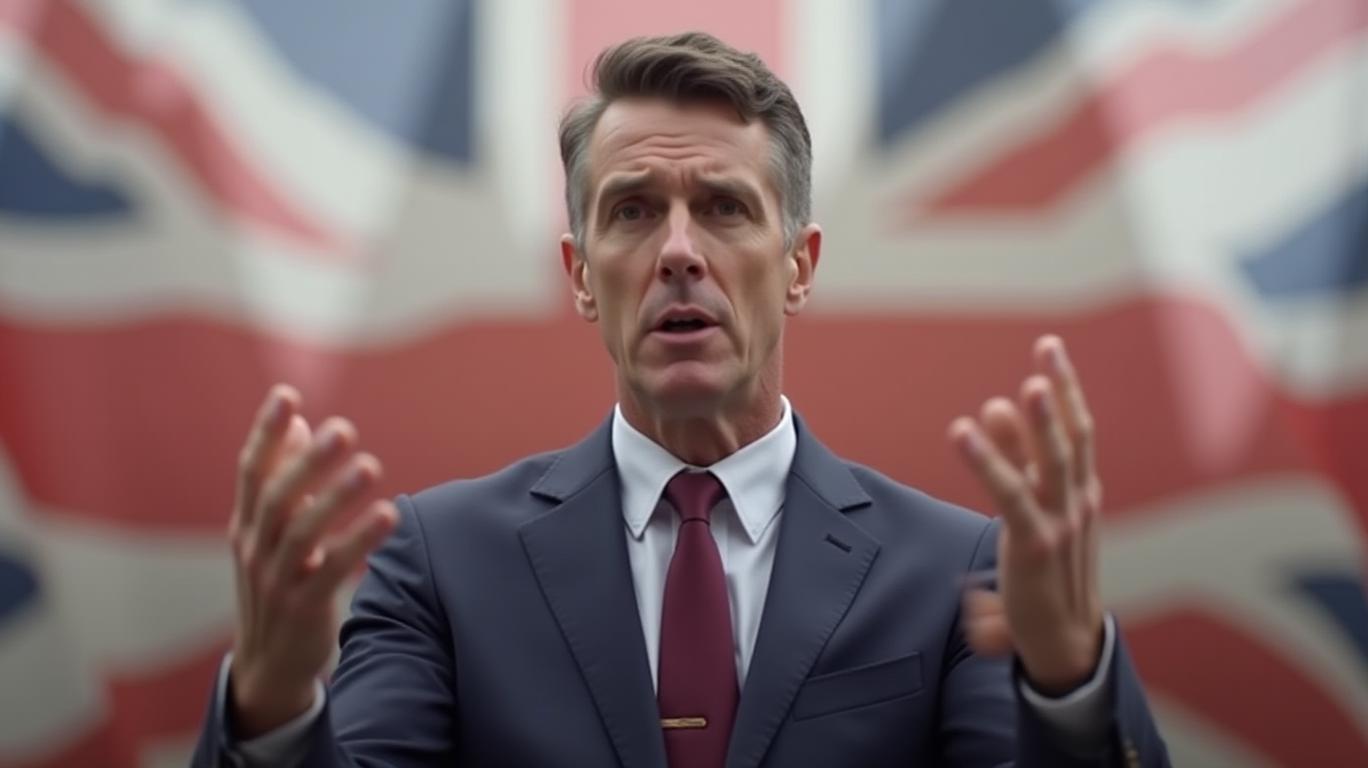
STARMER'S BATTLE PLAN
1. DOMESTIC DOMINANCE: Starmer is turbocharging plans to improve domestic competitiveness. He's talking about emergency reforms to regulation, cutting red tape, and tax breaks for struggling sectors. This is about making Britain a powerhouse, folks. A place where businesses can thrive, even in the face of Trump's tariffs.
2. INDUSTRIAL POLICY: Starmer is ready to use state-led industrial policy to protect British businesses. He's talking about sheltering British business from the storm. This is about standing up to Trump, folks. About saying, "We won't go down without a fight."
3. TRADE DEALS: Starmer is continuing negotiations with the Americans. He's fighting for the best deal, folks. A deal that's right for British business and the security of working people. But he's not backing down. He's ready to use industrial policy to help shelter British business from the storm.
THE RISKS AND REWARDS
1. POTENTIAL FOR A FAVORABLE TRADE DEAL: By continuing negotiations, the UK has the opportunity to secure a trade deal with the US that could mitigate or even reverse the impact of the tariffs. Starmer has stated, "I will only strike a deal if it is right for British business and the security of working people," indicating a commitment to pursuing a deal that benefits the UK.
2. DOMESTIC ECONOMIC RESILIENCE: Implementing domestic measures to improve competitiveness and shelter British businesses from the storm of tariffs can help the UK economy become more resilient. Starmer mentioned plans to "turbocharge" domestic competitiveness and use industrial policy to support businesses, which could lead to long-term economic benefits.
3. AVOIDING A TRADE WAR: By keeping negotiations open and avoiding retaliatory tariffs, the UK can help prevent an escalating trade war that could have severe global economic consequences. Starmer has emphasized the importance of free and open trade, stating that "turning our back on that now will be a grave mistake."
4. UNCERTAINTY AND DELAY: Continuing negotiations with the US while implementing domestic measures may lead to uncertainty and delay in addressing the immediate impact of the tariffs. For instance, Jaguar Land Rover has already paused shipments of its cars to the US, indicating that companies are grappling with the fallout from Trump's tariffs.
5. POTENTIAL FOR HIGHER PRICES AND INFLATION: If the UK does not secure a favorable trade deal and is forced to absorb the tariffs, it could lead to higher prices for consumers and increased inflation. As Clarissa Hahn, economist at Oxford Economics, noted, "The initial impact of price rises will be on US consumers, as American firms are likely to pass on the extra costs to their customers. However, people in the UK could subsequently be affected by the measures."
6. JOB LOSSES AND ECONOMIC SLOWDOWN: The tariffs could lead to job losses and an economic slowdown in the UK, particularly in sectors that rely heavily on exports to the US, such as the automotive and pharmaceutical industries. The Institute for Public Policy Research think tank has suggested that more than 25,000 jobs in the UK car manufacturing industry "could be at risk" with a 25% tariff coming into effect.
7. POTENTIAL FOR A FISCAL EVENT: If the UK is unable to secure a favorable trade deal and is forced to absorb the tariffs, it could lead to a fiscal event, as suggested by Reform UK chairman Zia Yusuf. He stated that the risk of a fiscal event in the UK "just got much, much more real" due to Trump's tariffs.
THE BOTTOM LINE
Starmer is taking the fight to Trump. He's ready to use industrial policy to protect British businesses. He's ready to fight for the best deal. But he's also ready to face the risks. Higher prices, job losses, a fiscal event. These are the stakes, folks. But Starmer is ready to play the game. He's ready to fight for Britain. And that's what we need right now. A leader who's ready to stand up to Trump and fight for our future. So, let's get behind Starmer, folks. Let's show Trump that Britain won't go down without a fight. Let's show him that we're ready to fight for our future. Let's show him that we're ready to fight for Britain.



Divulgación editorial y transparencia de la IA: Ainvest News utiliza tecnología avanzada de Modelos de Lenguaje Largo (LLM) para sintetizar y analizar datos de mercado en tiempo real. Para garantizar los más altos estándares de integridad, cada artículo se somete a un riguroso proceso de verificación con participación humana.
Mientras la IA asiste en el procesamiento de datos y la redacción inicial, un miembro editorial profesional de Ainvest revisa, verifica y aprueba de forma independiente todo el contenido para garantizar su precisión y cumplimiento con los estándares editoriales de Ainvest Fintech Inc. Esta supervisión humana está diseñada para mitigar las alucinaciones de la IA y garantizar el contexto financiero.
Advertencia sobre inversiones: Este contenido se proporciona únicamente con fines informativos y no constituye asesoramiento profesional de inversión, legal o financiero. Los mercados conllevan riesgos inherentes. Se recomienda a los usuarios que realicen una investigación independiente o consulten a un asesor financiero certificado antes de tomar cualquier decisión. Ainvest Fintech Inc. se exime de toda responsabilidad por las acciones tomadas con base en esta información. ¿Encontró un error? Reportar un problema




Comentarios
Aún no hay comentarios