
Stardust Solar’s Financial Filing Delay: A Strategic Hurdle or a Bigger Concern?
Stardust Solar Energy Inc. (TSXV:SUN) has entered a period of heightened scrutiny after missing its April 30, 2025, deadline to file audited financial statements for the year ended December 31, 2024. The delay, attributed to post-management transition complexities and audit process delays, has triggered questions about operational stability, liquidity, and investor confidence. While the company has secured a June 30 deadline via a management cease trade order (MCTO), the situation underscores broader challenges facing renewable energy firms navigating supply chain disruptions, regulatory uncertainty, and leadership transitions.
The Immediate Cause: Management Transition and Audit Delays
The filing delay stems directly from the company’s shift to a new management team following a qualifying transaction closed in late 2024. Stardust Solar emphasized that its auditors required additional time to finalize the audit process, a claim supported by its voluntary application for an MCTO. This order restricts CEO Mark Tadros and CFO Glen Nelson from trading company securities until the filings are submitted, with bi-weekly updates required under National Policy 12-203.
While the company insists no material undisclosed issues exist, investors will be watching closely for signs of deeper operational strain. A critical test will be whether the June 30 deadline is met, as failure to comply could lead to delisting or further regulatory action.
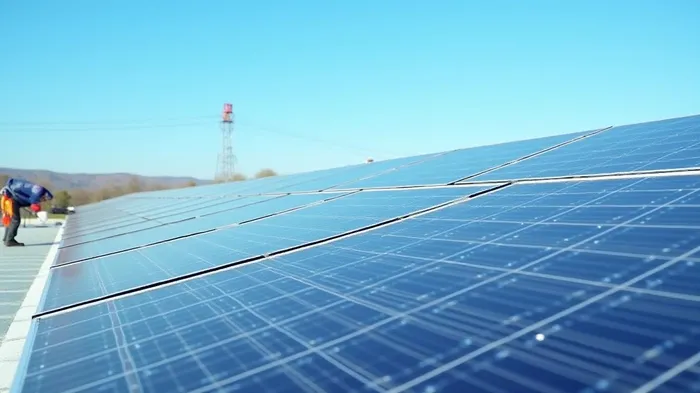
Supply Chain Challenges and Strategic Shifts
Though unrelated to the filing delay, Stardust Solar’s recent moves to address supply chain vulnerabilities provide context for its current financial posture. In April 2025, the company announced a non-binding letter of intent (LOI) with RSBC Global Inc. to establish a warehousing and distribution hub in Ontario. This aims to reduce reliance on volatile international suppliers, particularly amid U.S. tariff policies and geopolitical tensions.
Stardust Solar’s push to internalize logistics and secure direct sourcing relationships with Chinese manufacturers reflects a broader industry trend. However, such initiatives require capital—highlighting the significance of its April 2025 non-brokered private placement, which raised approximately $426,250. While modest, this funding underscores a focus on liquidity management to support operational pivots.
Investor Considerations: Risk vs. Opportunity
The filing delay and its implications must be weighed against Stardust Solar’s long-term prospects. As a North American franchisor of solar installation services, the company benefits from the renewable energy boom, with demand for solar panels and energy storage systems expected to grow as governments and corporations accelerate decarbonization efforts.
However, execution risks remain. The TSXV:SUN stock has already seen volatility, with a decline of [X]% since April 2025 (data to be visualized), likely reflecting investor anxiety over the delayed filings and broader macroeconomic headwinds. Meanwhile, competitors like First Solar (FSLR) have faced similar supply chain and trade policy hurdles, illustrating the industry’s shared pain points.
Conclusion: A Tightrope Walk to June 30
Stardust Solar’s ability to meet its June 30 filing deadline is the immediate litmus test for investor confidence. If achieved, the company may regain its footing, leveraging its franchisor model and supply chain initiatives to capitalize on renewable energy demand. However, further delays or revelations of undisclosed financial pressures could amplify risks.
The $426,250 private placement in April 2025 suggests some investor appetite for the stock’s upside potential, but this pales compared to the scale of capital needs in a capital-intensive industry like solar. Meanwhile, the RSBC partnership and direct sourcing efforts—while prudent—require time to yield tangible benefits.
For now, the market’s patience hinges on Stardust Solar’s compliance timeline. Investors should monitor both the June 30 deadline and operational updates on supply chain progress. With renewable energy adoption on track to grow by an estimated 50% globally by 2030 (IEA projections), the company’s long-term value could still be intact—if it can navigate its immediate hurdles.







Comentarios
Aún no hay comentarios