
Starbucks Strike: Impact on Sales, Reputation, and Labor Relations
Generado por agente de IAEli Grant
martes, 24 de diciembre de 2024, 1:43 am ET1 min de lectura
SBUX--
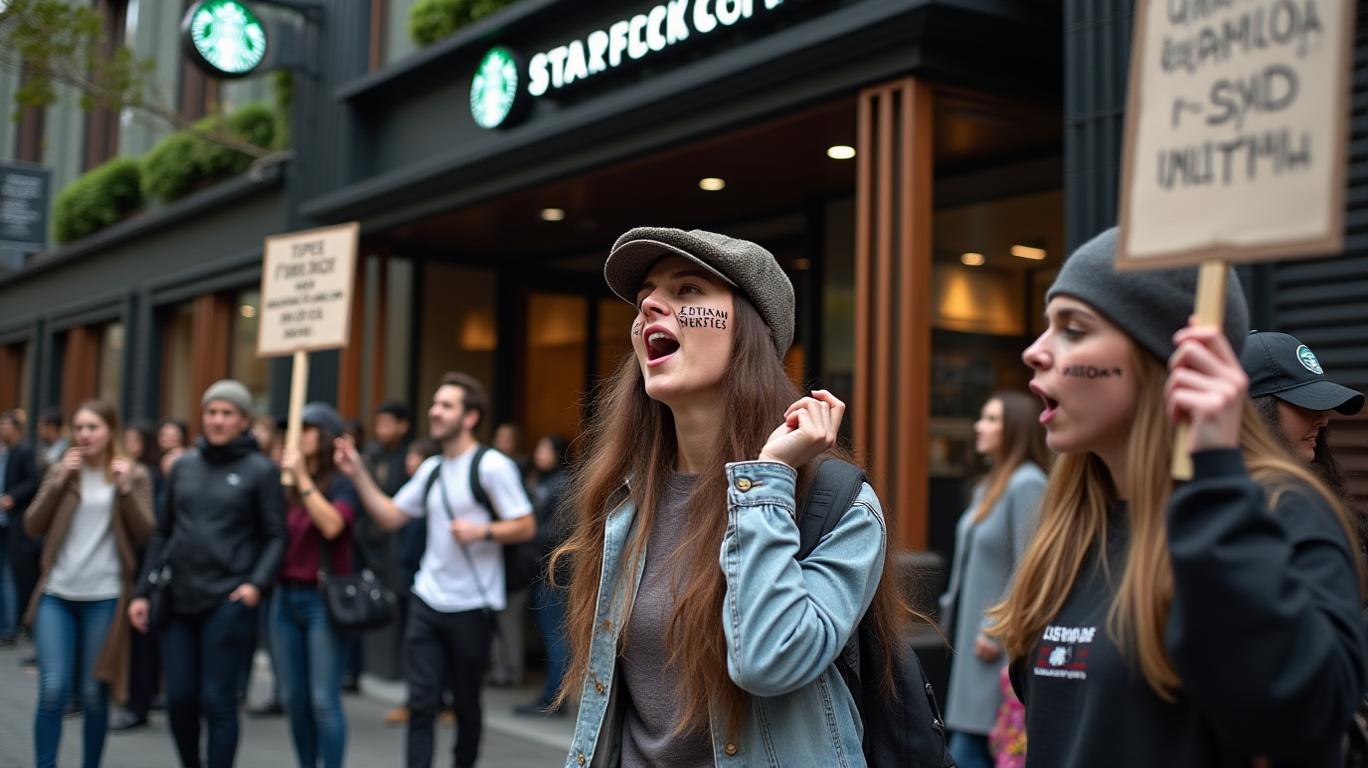
The ongoing Starbucks strike, set to expand to over 300 US stores on Christmas Eve, has raised concerns about its potential impact on the company's sales, reputation, and labor relations. As of December 23, the strike had closed 59 stores, with workers protesting a lack of progress in contract negotiations and outstanding legal issues. Starbucks Workers United, the union organizing the workers, has accused the company of failing to honor a commitment made in February to reach a labor agreement this year.
The strike comes at one of the busiest times of the year for Starbucks, which could lead to store closures and reduced customer footfall, directly affecting sales. However, the long-term impact is less clear. Starbucks' strong brand and customer loyalty may help it recover post-strike. Additionally, the company's diversified revenue streams, such as its digital platform and licensed stores, could mitigate the impact.
The strike could also significantly impact Starbucks' reputation and brand image. As customers associate the disruptions with poor management or labor practices, the company's image as a progressive and employee-focused brand may be damaged. To mitigate these risks, Starbucks should engage in constructive dialogue with workers and address their concerns promptly.
In terms of labor relations and employee morale, the strike could strain relations and potentially damage morale if the company fails to address the workers' concerns. Starbucks Workers United has accused the company of not honoring its commitments, which could lead to further unrest among employees.
The strike's impact on Starbucks' stock price and investor confidence is less certain. As of December 24, 2024, Starbucks' stock price is $87.44, with a market cap of $991.39 billion. The strike may cause temporary volatility, but Starbucks' strong financials, including a 52-week high of $103.32 and a 50-day average of $97.60, suggest resilience. Investor confidence may be influenced by the company's ability to manage the strike and maintain operations, as well as its commitment to addressing workers' concerns.
In conclusion, the Starbucks strike could have significant implications for the company's sales, reputation, and labor relations. To mitigate these risks, Starbucks should engage in constructive dialogue with workers and address their concerns promptly. By doing so, the company can maintain customer loyalty, preserve its brand image, and ensure the long-term success of its business.
The ongoing Starbucks strike, set to expand to over 300 US stores on Christmas Eve, has raised concerns about its potential impact on the company's sales, reputation, and labor relations. As of December 23, the strike had closed 59 stores, with workers protesting a lack of progress in contract negotiations and outstanding legal issues. Starbucks Workers United, the union organizing the workers, has accused the company of failing to honor a commitment made in February to reach a labor agreement this year.
The strike comes at one of the busiest times of the year for Starbucks, which could lead to store closures and reduced customer footfall, directly affecting sales. However, the long-term impact is less clear. Starbucks' strong brand and customer loyalty may help it recover post-strike. Additionally, the company's diversified revenue streams, such as its digital platform and licensed stores, could mitigate the impact.
The strike could also significantly impact Starbucks' reputation and brand image. As customers associate the disruptions with poor management or labor practices, the company's image as a progressive and employee-focused brand may be damaged. To mitigate these risks, Starbucks should engage in constructive dialogue with workers and address their concerns promptly.
In terms of labor relations and employee morale, the strike could strain relations and potentially damage morale if the company fails to address the workers' concerns. Starbucks Workers United has accused the company of not honoring its commitments, which could lead to further unrest among employees.
The strike's impact on Starbucks' stock price and investor confidence is less certain. As of December 24, 2024, Starbucks' stock price is $87.44, with a market cap of $991.39 billion. The strike may cause temporary volatility, but Starbucks' strong financials, including a 52-week high of $103.32 and a 50-day average of $97.60, suggest resilience. Investor confidence may be influenced by the company's ability to manage the strike and maintain operations, as well as its commitment to addressing workers' concerns.
In conclusion, the Starbucks strike could have significant implications for the company's sales, reputation, and labor relations. To mitigate these risks, Starbucks should engage in constructive dialogue with workers and address their concerns promptly. By doing so, the company can maintain customer loyalty, preserve its brand image, and ensure the long-term success of its business.

Divulgación editorial y transparencia de la IA: Ainvest News utiliza tecnología avanzada de Modelos de Lenguaje Largo (LLM) para sintetizar y analizar datos de mercado en tiempo real. Para garantizar los más altos estándares de integridad, cada artículo se somete a un riguroso proceso de verificación con participación humana.
Mientras la IA asiste en el procesamiento de datos y la redacción inicial, un miembro editorial profesional de Ainvest revisa, verifica y aprueba de forma independiente todo el contenido para garantizar su precisión y cumplimiento con los estándares editoriales de Ainvest Fintech Inc. Esta supervisión humana está diseñada para mitigar las alucinaciones de la IA y garantizar el contexto financiero.
Advertencia sobre inversiones: Este contenido se proporciona únicamente con fines informativos y no constituye asesoramiento profesional de inversión, legal o financiero. Los mercados conllevan riesgos inherentes. Se recomienda a los usuarios que realicen una investigación independiente o consulten a un asesor financiero certificado antes de tomar cualquier decisión. Ainvest Fintech Inc. se exime de toda responsabilidad por las acciones tomadas con base en esta información. ¿Encontró un error? Reportar un problema




Comentarios
Aún no hay comentarios