
Starbucks' Labor Standoff: A Brewing Storm for Investors?
The recent rejection of Starbucks’ proposed contract by unionized workers marks a pivotal moment for the coffee giant. With 81% of delegates voting against the 2% wage floor offer, the standoff highlights escalating tensions between management and labor—a dynamic that could reshape the company’s financial trajectory. This analysis explores the implications for investors, balancing risks and opportunities in the face of union demands, operational challenges, and regulatory pressures.
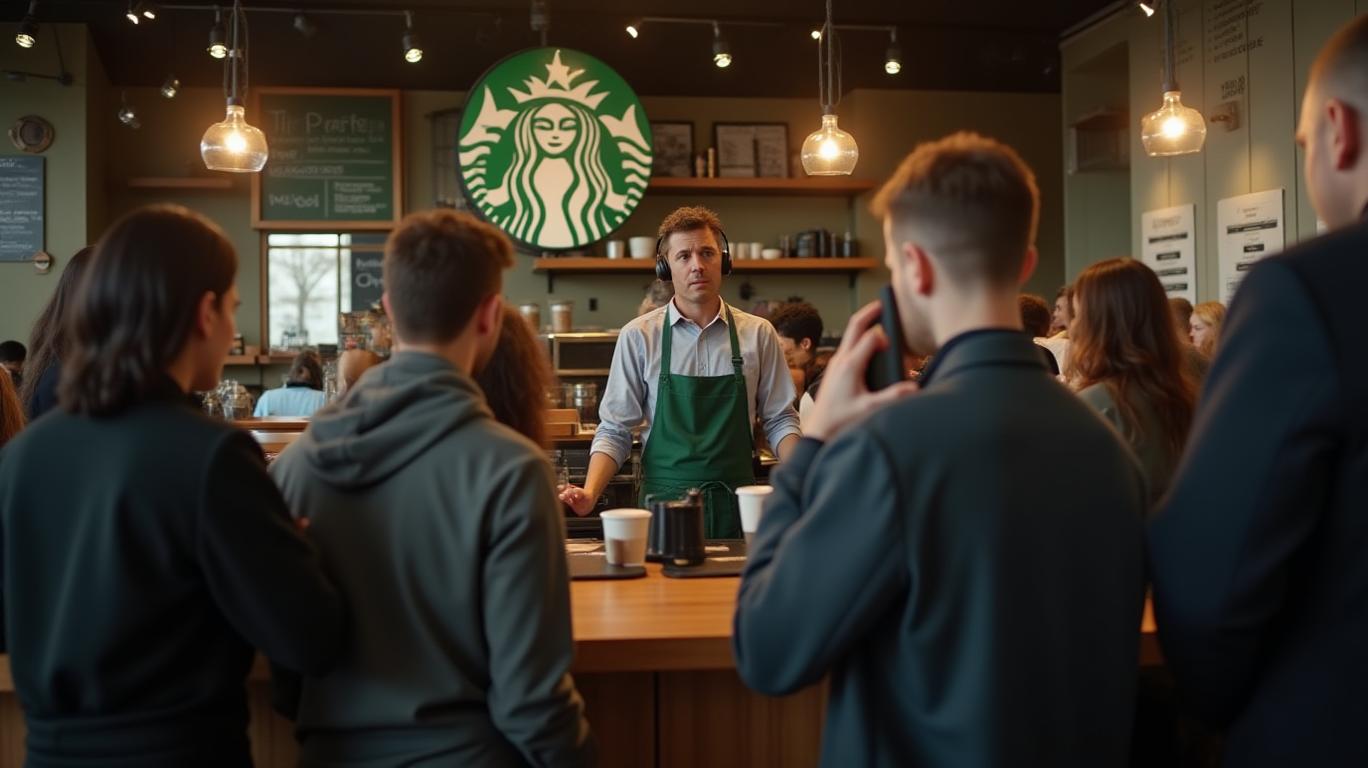
The Vote and Its Implications
The vote, which saw only 14% of delegates accepting Starbucks’ terms, underscores the union’s (Workers United/SEIU) refusal to settle for incremental gains. Key sticking points included:
- Wage Floors: The proposed 2% annual raise (a slight improvement from 1.5% in prior offers) was deemed insufficient, especially given the union’s push for immediate pay hikes and guaranteed hours.
- Healthcare and Benefits: StarbucksSBUX-- cited average compensation (including benefits) exceeding $30/hour, but the union argued for more robust protections.
- Workplace Stability: Baristas sought consistent scheduling, a critical issue in an industry with high turnover.
The rejection signals a broader labor movement, but its scale remains limited: unionized stores represent ~3% of U.S. company-owned locations, with 565 stores and ~12,777 employees involved. Yet the ripple effects could extend beyond these numbers, particularly if strikes or decertification campaigns escalate.
Labor Costs and Profit Margins
Starbucks’ financial health hinges on its ability to manage labor expenses without sacrificing margins. The company’s labor costs as a percentage of revenue have historically been stable, but a significant wage increase could strain profitability.
Even a 1% rise in labor costs could eat into margins, especially if passed through to prices without hurting sales. However, Starbucks’ pricing power in premium coffee markets might provide some buffer. Investors must weigh these dynamics against the risk of prolonged disputes.
Union Expansion and Decertification Risks
While unionization remains niche, the Workers United campaign could inspire broader organizing efforts. Conversely, the looming decertification deadline—where unionized stores could vote to dissolve representation starting late 2025—adds uncertainty. If employees in early adopter stores choose to decertify, it might signal discontent with the union’s efficacy, weakening its negotiating power.
Operational and Legal Risks
The authorized strike (with 98% delegate support) looms as a wildcard. While not yet executed, strikes could disrupt operations, particularly in high-volume locations. Additionally, the NLRB’s scrutiny of Starbucks’ bargaining tactics—including its refusal to allow remote negotiations—could lead to penalties or forced concessions.
Brand Perception and Consumer Loyalty
Starbucks’ reputation as a socially responsible employer is at stake. If strikes or labor disputes draw public sympathy, it might bolster brand loyalty among customers who align with workers’ demands. Conversely, prolonged conflict could alienate shareholders and customers alike.
Conclusion: Navigating the Tumult
The union vote rejection is a critical inflection point for Starbucks. Key data points underscore the challenges:
- 81% rejection of the 2% offer signals deep dissatisfaction.
- 565 unionized stores represent a small fraction of total locations but could grow if the movement gains traction.
- Decertification risks create a “double-edged sword”—if unions lose representation, it weakens the movement, but if they hold, pressure intensifies.
Investors should monitor:
1. Stock Performance: Starbucks’ (SBUX) stock has historically been resilient, but volatility may rise if strikes occur.
2. Negotiation Outcomes: A compromise that avoids strikes while managing costs would be ideal, but the 81% rejection suggests tough negotiations ahead.
3. Regulatory Developments: NLRB rulings on bad-faith bargaining could force Starbucks to adjust its stance.
In the end, Starbucks’ financial stability hinges on its ability to balance worker demands with profitability. While the union’s leverage is constrained by its limited scale, the symbolic nature of this conflict could amplify its impact. For investors, patience—and a close eye on margins, labor costs, and operational disruptions—will be key to navigating this brewing storm.





Comentarios
Aún no hay comentarios