
Stalemate in the Strait: How Iran-U.S. Nuclear Talks Are Fueling Energy Market Volatility – Positioning for the Long Burn
The Iran-U.S. nuclear talks, now entering their most critical phase since 2025, have reached a definitive impasse. Supreme Leader Ayatollah Ali Khamenei’s public skepticism—“I don’t think nuclear talks with the U.S. will bring results”—and the entrenched positions of both sides signal prolonged uncertainty. This stalemate isn’t just political theater; it’s a market-moving force. For investors, the takeaway is clear: position for sustained energy volatility by leaning into long-term energy equities and commodities, while avoiding overexposure to assets directly tied to Iranian oil until a breakthrough emerges.
The Stalemate: A Clash of Non-Negotiables
At the heart of the deadlock are two irreconcilable demands. Iran insists on retaining its right to uranium enrichment—a legal entitlement under the Non-Proliferation Treaty—and demands immediate sanctions relief. The U.S., meanwhile, refuses to lift sanctions unless Iran dismantles its entire enrichment program and permanently abandons any path to weapons-grade material.
Khamenei’s dismissal of U.S. “mixed signals” underscores the ideological gulf. While Washington’s envoy, Steve Witkoff, has hinted at allowing “low-level enrichment,” Iran’s negotiator Abbas Araghchi has countered that “enrichment is an issue Iran will not give up.” This zero-sum dynamic ensures no quick resolution.
Why Oil Prices Stay Elevated: Sanctions as a Permanent Feature
The absence of a deal means Iran’s oil exports remain capped, with U.S. sanctions blocking its access to global markets. Even if Iran’s current production of 2 million barrels per day (BPD) could technically rise to 3.8 million BPD post-deal, the talks’ stagnation ensures this supply stays offline.
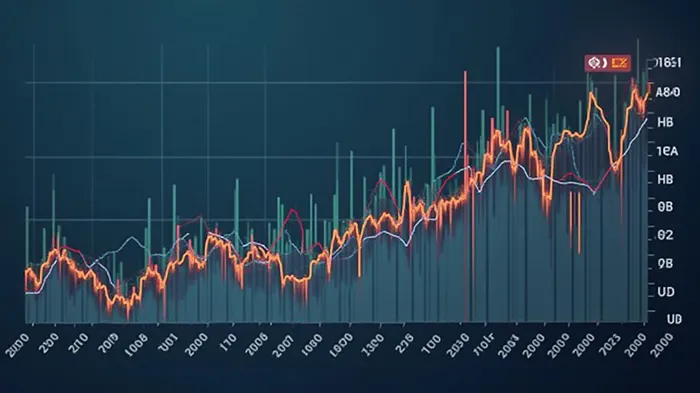
The data shows Brent crude hovering near $90/barrel, a stark contrast to pre-sanction levels. With OPEC+ nations reluctant to flood the market and geopolitical risks in the Middle East persisting, energy prices are structurally supported.
Positioning for Volatility: The Investment Playbook
1. Long Energy Equities and Commodities
The prolonged stalemate creates a “buy-the-dip” environment for energy assets. Consider:
- Oil Majors and ETFs: ExxonMobil (XOM), Chevron (CVX), and the Energy Select Sector SPDR Fund (XLE) have historically outperformed during supply-constrained periods.
- Commodities: Physical gold (GLD) and oil-linked ETFs (USO) provide inflation hedges and volatility buffers.
2. Avoid Overexposure to Iran-Exposed Assets
Until tangible progress emerges—look for a written U.S. proposal or Iran’s explicit commitment to cap enrichment—avoid investments tied to Iranian oil or shipping. Sanctions could tighten further if tensions escalate, as seen in 2024 when U.S. drone strikes on Iranian vessels spiked crude futures by 8%.
3. Monitor Geopolitical Catalysts
- Watch for Khamenei’s Shift: If he softens his stance (unlikely without sanctions relief), oil could crash.
- Track Regional Conflicts: Escalation in Gaza or Lebanon—where Iran-backed groups operate—could reignite fears of supply disruptions.
Risks and the Bear Case
A sudden deal could trigger a $10–$15/barrel drop in oil prices, eroding energy equities. However, this scenario requires two improbable moves: the U.S. agreeing to lift sanctions immediately and Iran halting enrichment entirely. Given Khamenei’s distrust of American commitments, this remains a low-probability outcome.
Conclusion: Play the Long Burn, Not the Short Flare
The Iran-U.S. nuclear talks are a slow-motion train wreck, not a sprint to resolution. Investors who double down on energy equities and commodities while hedging against geopolitical shocks will profit as volatility persists. But tread carefully near Iran-specific assets—the Supreme Leader’s skepticism ensures they’ll remain a high-risk gamble until the stalemate breaks.
The Strait of Hormuz isn’t just a chokepoint for oil—it’s a geopolitical pressure cooker. Position accordingly.





Comentarios
Aún no hay comentarios