
Staking Platform Innovation and Risk in October 2025: Assessing Security, Yield Sustainability, and Decentralization Trends
The Staking Landscape in October 2025: A Tipping Point
Ethereum's staking ecosystem in October 2025 is a paradox of progress and peril. On one hand, the Pectra upgrade (activated May 7) has introduced groundbreaking improvements to scalability, staking mechanics, and user experience, according to an Everstake analysis. EIP-7251's 2,048 ETHETH-- validator cap and EIP-7002's withdrawal flexibility, noted in a Cointribune report, have streamlined operations for large stakers, while EIP-7691's blob expansion has bolstered Layer-2 efficiency per the Everstake analysis. On the other hand, the ecosystem faces unprecedented challenges: $41 million stolen in the Kiln-SwissBorg breach, reported in a CheckSig write-up, record 45-day unstaking delays, discussed in a Jones Day note, and systemic risks in liquid staking derivatives (LSTs) described in the Cointribune report.
This article dissects the interplay between innovation and risk, focusing on three pillars: security, yield sustainability, and decentralization.
1. Security: From Protocol Upgrades to Systemic Vulnerabilities
Ethereum's security model has evolved, but recent events reveal critical gaps. The Pectra upgrade enhanced validator activation times (from 12 hours to 13 minutes), as observed in the Cointribune report, yet the Kiln incident exposed vulnerabilities in third-party infrastructure. A compromised API allowed attackers to drain SwissBorg's SolanaSOL-- Earn program, forcing Kiln to initiate an "orderly unstaking exit" and adding 1.6M ETH to the withdrawal queue (CheckSig). This cascading effect underscores the fragility of centralized staking infrastructure.
Meanwhile, Lido's near-miss with a Chorus One key breach was covered in a CoinDesk article, highlighting the risks of custodial staking. While only 1.46 ETH in gas fees were lost, the incident raises questions about the security of liquid staking protocols (LSPs).
Regulatory clarity from the SEC has added another layer of complexity. By excluding self-staking and custodial staking from securities definitions, as described in the Jones Day note, the agency has incentivized institutional participation-yet it left liquid and restaking arrangements in legal limbo. This ambiguity could deter innovation in LSTs, which are now collateral in over 50 DeFi protocols according to the Everstake analysis.
2. Yield Sustainability: Congestion, ETFs, and the LST Discount
Ethereum's staking yield model is under strain. With 35.3M ETH staked (29% of total supply), per the Everstake analysis, the network's validator exit queue has hit 2.5M ETH ($11.25B), and average unstaking delays exceed 46 days, as outlined in the Jones Day note. This congestion, driven by ETF inflows and restaking demand, has created a liquidity trap:
- DeFi protocols using LSTs like stETH face deeper discounts against ETH as redemption periods lengthen, a dynamic described in the Cointribune report.
- Institutional stakers are prioritizing platforms like FalconX and REX-Osprey ETFs, noted in an OKX guide, which offer regulated exposure to staking yields.
- Compounding mechanisms enabled by EIP-7251 are offset by the risk of "unwinding loops" in DeFi, where LST holders liquidate positions to cover margin calls (CheckSig).
Analysts warn that prolonged delays could erode confidence in staking as a yield source. For example, MEXC's 4.8% APY appears attractive per the OKX guide, but it's contingent on stable withdrawal timelines-a luxury the current queue does not guarantee.
3. Decentralization: Centralization Pressures and Protocol Resilience
Ethereum's decentralization narrative is both reinforced and challenged by 2025's developments. The validator balance cap increase (32 ETH → 2,048 ETH) simplifies staking for large operators, as the Everstake analysis documents, but risks centralizing control. Conversely, platforms like Rocket Pool and Frax Finance are democratizing access with decentralized staking pools, countering institutional dominance (Everstake analysis).
The SEC's non-security ruling has also accelerated decentralization by legitimizing self-staking, according to the Jones Day note. However, the rise of liquid staking-where ETH is tokenized as stETH or rETH-introduces a new centralization risk: reliance on a few LSPs for liquidity. Lido's 60% market share, highlighted in the Everstake analysis, exemplifies this concentration.
Notably, Ethereum's protocol design remains resilient. Despite exit queue congestion, block production and finality continue uninterrupted (CheckSig), and validators awaiting exit still earn rewards. This "graceful degradation" ensures network security even during crises.
Conclusion: Balancing Innovation and Risk in a Staking-Driven Future
October 2025 marks a pivotal moment for EthereumETH-- staking. The PECTRA upgrade has laid the groundwork for scalable, efficient staking, but security breaches, congestion, and regulatory uncertainty threaten to undermine its potential. For investors, the key is to:
- Diversify staking infrastructure (e.g., avoid single-provider reliance).
- Monitor LST discounts and DeFi collateral risks.
- Leverage protocol upgrades like EIP-7002 for withdrawal flexibility, as noted in the Cointribune report.
As Ethereum's staking supply nears 30%, the ecosystem must address systemic vulnerabilities while preserving decentralization. The path forward hinges on protocol resilience, regulatory clarity, and market innovation-a trinity that will define the next chapter of crypto's value capture. 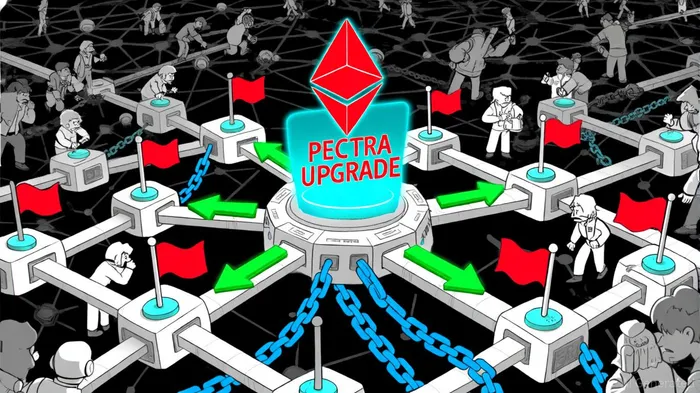







Comentarios
Aún no hay comentarios