
"Stablecoins: Gillibrand's GENIUS Act vs. Waters' Centralized Approach"
Stablecoins, a type of cryptocurrency designed to maintain a steady value, have gained significant attention in recent months. Unlike traditional cryptocurrencies like Bitcoin and Ethereum, stablecoins are pegged to stable assets such as the U.S. dollar or gold, reducing price volatility and making them more suitable for everyday transactions. This feature makes stablecoins an attractive option for new and risk-averse crypto users who prefer consumer transactions over investments.
The Guiding and Establishing National Innovation for U.S. Stablecoins (GENIUS) Act, introduced by Senator Kirsten Gillibrand and co-sponsored by several senators, aims to create a clear and innovation-friendly framework for stablecoins while ensuring consumer protection. The bill embraces a state-federal regulatory balance, allowing smaller issuers to operate under state supervision while placing larger stablecoin providers under federal oversight.
In contrast, Representative Maxine Waters' stablecoin bill takes a more centralized approach, requiring all stablecoin issuers to be subject to Federal Reserve oversight. The bill also prohibits Big Tech firms from issuing stablecoins, blocks offshore companies from evading U.S. regulations, and prevents individuals convicted of financial crimes from owning more than 5% of a stablecoin issuer.
The introduction of these bills marks a significant shift in the conversation around stablecoins, moving the debate from whether they should be regulated to how they should be regulated. Senator Gillibrand emphasized the importance of stablecoin regulation for maintaining U.S. leadership in digital assets and keeping crypto companies and jobs onshore.
The GENIUS Act is structured to provide two regulatory paths for stablecoin issuers, mandate strict 1-to-1 reserves, prohibit algorithmic stablecoins, and ensure U.S. dollar dominance. Gillibrand's approach seeks to balance financial stability with economic competitiveness, ensuring that stablecoin issuers are properly regulated without suffocating the industry.
On the other hand, Representative Waters' bill takes a more centralized, enforcement-heavy approach. Key provisions include requiring all issuers to be federally regulated, banning Big Tech from issuing stablecoins, tightening restrictions on offshore issuers, and conducting criminal background checks for stablecoin issuers. Waters has framed the bill as a consumer protection measure, aiming to safeguard consumers from scams that have plagued the crypto industry.
Stablecoins could serve as a 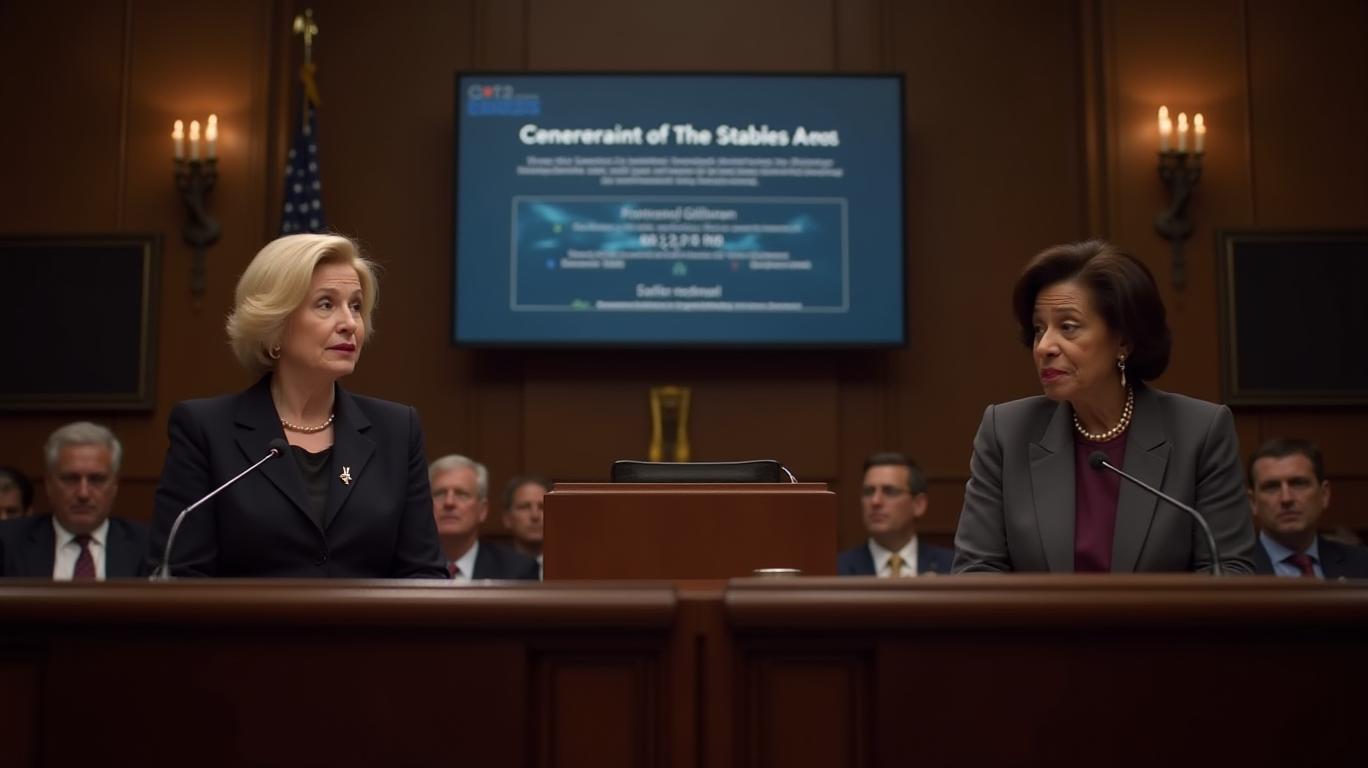





Comentarios
Aún no hay comentarios