
Stablecoin Regulation Intensifies Amid Global Financial Scrutiny
Stablecoin regulation has emerged as a top priority for financial authorities globally. Recent developments signal increased regulatory momentum around these digital assets. Market stability concerns drive this intensified focus. Clear frameworks could transform crypto market operations.
- Regulatory efforts targeting stablecoins gain urgency across major economies.
- New rules may impose stricter reserve and disclosure requirements.
- Market stability risks remain central to policymaker concerns.
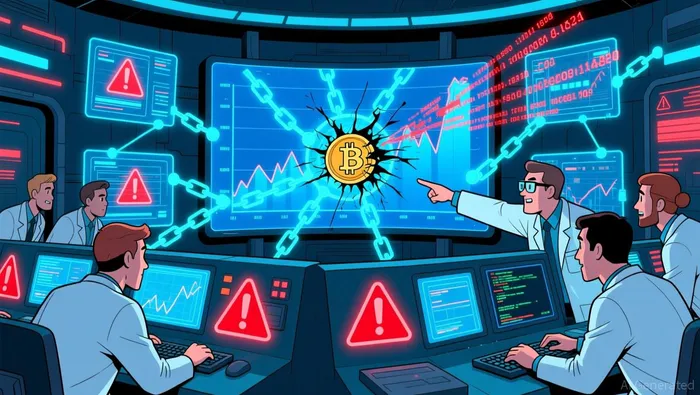
- Compliance costs could reshape the competitive landscape for issuers.
Why Is Stablecoin Regulation Accelerating Worldwide?
Financial watchdogs view stablecoins as potential systemic risks. Their rapid growth and integration with traditional finance amplify oversight needs. Recent market volatility episodes underscored contagion fears. That reality pushes regulators toward preemptive action.
Authorities seek to prevent destabilizing runs or liquidity crises. Payment system integrity remains another core motivation for intervention. Cross-border usage complicates jurisdictional coordination efforts. Regulatory alignment talks between major economies continue throughout 2026.
What Challenges Do Regulators Face in Stablecoin Oversight?
Defining consistent standards across jurisdictions presents difficulties. Reserve verification mechanisms require complex auditing solutions. Disagreements persist over custody requirements for backing assets. Classification debates also slow legislative progress in key markets.
Enforcement against non-compliant offshore issuers creates operational hurdles. Privacy concerns clash with transaction monitoring demands. Technological innovation pace often outpaces regulatory drafting speed. These tensions challenge balanced framework development.
How Could New Rules Reshape Crypto Market Dynamics?
Stricter compliance may drive industry consolidation among issuers. Institutional adoption could accelerate under clearer regulatory guardrails. Trading volumes might shift toward regulated stablecoins over time. Market fragmentation risks emerge if standards diverge regionally.
Reserve transparency mandates might boost investor confidence significantly. New licensing requirements could raise barriers to market entry substantially. Compliance costs will likely impact stablecoin yields and fee structures. These changes may redefine competitive positioning across crypto markets.







Comentarios
Aún no hay comentarios