
The Stablecoin Dilemma Facing Every Non-US Economy
Global financial regulators are increasingly concerned about the growing influence of dollar-backed stablecoins in non-US economies. The Financial Stability Board (FSB) has identified risks such as currency substitution, reduced effectiveness of monetary policy, and capital outflows during periods of economic stress. These stablecoins are being used as a hedge against local currency volatility, especially in emerging markets according to FSB analysis.
Dollar-backed stablecoins are gaining traction in economies where inflation and currency instability are common. This shift allows individuals and businesses to transact in a more stable digital asset, bypassing local financial systems. However, this trend challenges central banks' ability to manage inflation and control capital flows.
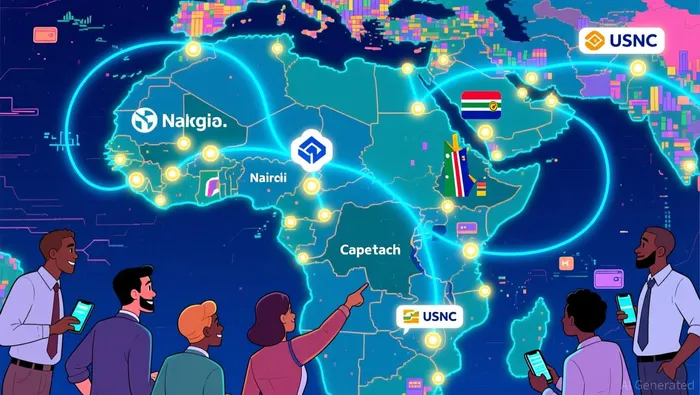
Circle, the issuer of the USDC stablecoin, is actively expanding its presence in Africa. The company has partnered with Sasai Fintech to integrate USDC into cross-border payment systems. The collaboration aims to reduce remittance costs and improve financial inclusion by leveraging stablecoin infrastructure as reported.
Why the Move Happened
Circle's expansion into Africa reflects the growing demand for digital payment solutions in regions with high inflation and underdeveloped banking systems. USDC provides a stable alternative for individuals looking to protect their savings against local currency devaluation. It also enables faster and more affordable cross-border transactions, which are critical for international trade and remittances as noted.
The Financial Stability Board (FSB) highlighted these developments in its 2025 annual report. It noted that the adoption of dollar-backed stablecoins is outpacing regulatory frameworks in many jurisdictions. The report warned that this trend could lead to financial instability, particularly during periods of macroeconomic stress according to FSB findings.
What Analysts Are Watching
Financial experts are closely monitoring how central banks respond to the growing use of stablecoins. Some suggest that regulators will need to develop coordinated international frameworks to address the risks posed by dollar-backed digital assets. Others believe that stablecoins could eventually play a constructive role in financial inclusion if properly regulated as analysts suggest.
The FSB has emphasized the need for global coordination in overseeing stablecoins. It noted that while these assets offer benefits like fast settlement and lower transaction costs, they also pose risks such as reduced monetary policy effectiveness and potential capital flight. The organization is advocating for stronger oversight to ensure financial stability according to FSB guidance.
How Markets Responded
The financial markets have shown mixed reactions to the growth of stablecoins in emerging economies. On one hand, companies like CircleCRCL-- have reported increased adoption of their stablecoins in high-growth markets like Africa. On the other hand, central banks are expressing concerns about the potential impact on their monetary policy tools as FSB warned.
In South Africa, the expansion of USDC has been supported by partnerships with major financial institutions and technology firms. This collaboration includes working with Western Union on international money transfer services and with Google and Nvidia on digital infrastructure expansion according to reports.
The broader financial community is also watching how stablecoin adoption affects cross-border commerce. Some argue that stablecoins could help reduce the dominance of traditional payment gateways in high-cost remittance corridors. Others worry that the rise of stablecoins could undermine domestic financial systems and lead to regulatory challenges according to Bloomberg analysis.





Comentarios
Aún no hay comentarios