
Spot Gold and Silver Retreat in the Short Term, Silver Plunges Over 1% Intraday
Spot gold and silver prices have retreated in the short term, with silver plunging more than 1% intraday on January 8, 2026. The decline follows a period of significant volatility in the precious metals market, driven by index rebalancing, supply constraints, and concerns over potential U.S. trade policies. Precious metals traders are also monitoring geopolitical developments, which have historically influenced haven demand for commodities like silver and gold according to market analysis.
Silver’s price action has been particularly erratic, with the metal falling as much as 6% and platinum dropping nearly 8% in recent sessions. The move reflects broader market concerns about liquidity in the London silver market, which has been tightened due to pre-positioning of metal into the U.S. in anticipation of potential tariff policies.
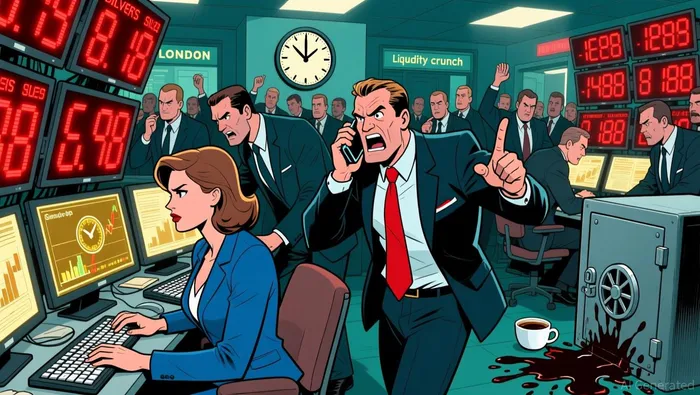
Goldman Sachs has warned that extreme volatility in silver prices is likely to persist, citing thin inventories and heightened sensitivity to demand changes. The bank highlighted that 1,000 tonnes of weekly net demand typically lifts prices by about 2%, but in the current environment of tight supply, that sensitivity has increased to 7%.
What Caused the Recent Downturn in Silver?
The recent sell-off in silver was partially driven by index rebalancing activity, where large-scale selling of silver and platinum occurs as broad commodity indexes adjust their weightings. TD Securities strategist Daniel Ghali noted that silver had seen a "devilish blow-off top," alluding to a sharp price rise followed by a steep correction.
Silver’s volatility was also amplified by thin London inventories and concerns over U.S. policy moves, particularly the Section 232 investigation into imports of critical minerals. Traders are watching for potential tariff measures that could impact the flow of silver into the U.S. and further tighten global supply.
Why Is China’s Policy Shift Important for Silver Markets?
China, the world's dominant processor of silver, shifted to a licence-based system for silver exports on January 1, 2026. This change requires government authorisation for each shipment of silver, reducing the transparency of supply chains and increasing global supply concerns. While this is not an outright ban, it has injected new volatility into prices, especially given China's central role in the global silver market.
India, which is the largest consumer of finished silver, has been particularly affected by China's export controls. India imported about USD 6.4 billion of refined silver in 2024, compared to USD 5.6 billion of silver ores and concentrates imported by China. GTRI Founder Ajay Srivastava urged India to move toward processing silver from the ore stage, reducing dependence on imports of finished silver and enhancing domestic refining and recycling capabilities.
The shift in China's export policy has also created new geopolitical dynamics, with India and other countries now under pressure to diversify their silver supply chains. Srivastava added that securing long-term mining supplies abroad and improving domestic refining could reduce reliance on imported silver while increasing strategic value.
What Are the Market Implications of Thin Inventories and Rebalancing?
The tightening of inventories in the London market, where silver is benchmarked, has created conditions for price squeezes. Michael Widmer, head of metals research at Bank of America, noted that the lack of liquidity means that large buyers have to pay more to enter the market. This has led to extreme price swings, even as fundamentals for silver remain strong.
The recent volatility has also been exacerbated by speculative trading, particularly from private investors who had positioned themselves for further gains in the metal. However, as markets adjust to new weightings in broad commodity indexes, selling pressure has intensified, leading to sharp price corrections.
Traders will continue to watch U.S. economic data, including the December jobs report, for clues about the Federal Reserve's future interest rate path. Rate cuts are expected to provide further support for precious metals, which do not pay interest.
Overall, the market remains in a state of uncertainty as participants navigate thin inventories, policy risks, and the impact of global supply chain shifts. While silver's industrial demand remains robust, particularly in solar energy and electronics, the current environment suggests that volatility will persist in the near term.





Comentarios
Aún no hay comentarios