
As Sports Betting Booms, NCAA Reinforces Ban to Guard Integrity
The National Collegiate Athletic Association (NCAA) has rescinded a rule change that would have permitted college athletes and athletic department staff to bet on professional sports, a decision driven by a surge in gambling-related scandals across collegiate and professional sports. The move, announced after a procedural vote by Division I member schools, maintains a longstanding ban on betting activities for those involved in NCAA-affiliated athletics, reflecting growing concerns over the integrity of competition according to reports.
The decision follows high-profile arrests and investigations that have cast a shadow over sports betting. In late October, NBA coach Chauncey Billups and Miami Heat guard Terry Rozier were among those arrested in federal operations targeting alleged gambling rings. Additionally, the NCAA recently revoked eligibility from six men's basketball players over sports betting violations and confirmed that former Temple University guard Hysier Miller had placed bets on Owls games, including against his own team. These cases, coupled with ongoing federal scrutiny, prompted the NCAA to halt the rule change, which had initially been slated to take effect on Nov. 1.
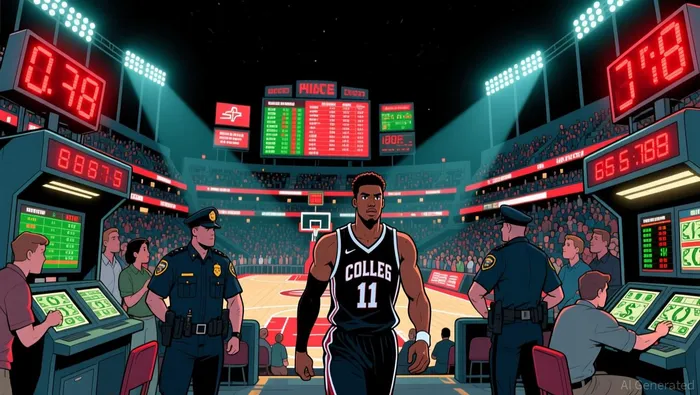 Under NCAA governance rules, the rescission was possible because the original proposal to permit pro sports betting was adopted by less than 75% of the Division I cabinet. This allowed member schools a 30-day window to challenge the change. More than two-thirds of Division I institutions voted to rescind the rule, meeting the threshold just before the deadline expired on Nov. 22. The ban on betting extends to all three NCAA divisions, ensuring consistency across collegiate sports.
The NCAA's decision aligns with broader efforts by professional leagues to mitigate integrity risks. Major League Baseball, for instance, recently capped prop bets on individual pitches at $200 and barred such wagers from parlays following a federal indictment of Cleveland Guardians pitchers accused of rigging pitches for financial gain. Similarly, the NBA and NCAA had previously restricted prop bets after betting scandals. While the NCAA's focus remains on preventing conflicts of interest, critics argue that outright bans may not address underlying issues. Players' union leader Tony Clark and agent Scott Boras have called for a complete prohibition of prop bets, citing concerns that even small wagers could influence athletes' decisions.
The NCAA's enforcement of sports betting violations has intensified in recent years, with at least a dozen new investigations underway. The organization's actions also reflect pressure from conference leaders, including Southeastern Conference Commissioner Greg Sankey, who raised concerns about the rule change in internal communications. As the sports betting industry continues to expand-legal wagers in the U.S. surpassed $6 billion in August 2025-the NCAA's stance underscores the tension between regulatory caution and the growing normalization of gambling in sports culture according to industry reports.







Comentarios
Aún no hay comentarios