
Spire’s Leadership Shift: A Smooth Transition or a Strategic Pivot?
Spire Inc. (NYSE: SR) has entered a new era with the abrupt yet deliberate leadership transition that saw Scott Doyle take over as CEO, replacing Steve Lindsey, who resigned unexpectedly. The move, framed by the company as a reflection of continuity rather than crisis, raises critical questions for investors: How will Doyle’s background in utility operations shape Spire’s trajectory? And what does this transition mean for the company’s growth and stock performance?
The New CEO: A Utility Veteran at the Helm
Scott Doyle’s appointment signals a deepening focus on operational excellence. Before joining Spire in 2024, Doyle spent over two decades at CenterPoint Energy, where he oversaw utilities serving seven million customers. His experience managing regulatory affairs and infrastructure investments—key challenges in the utility sector—positions him to navigate Spire’s core business.
The Board’s emphasis on Doyle’s “alignment with Spire’s core values” suggests confidence in his ability to execute the company’s existing strategy, which prioritizes modernizing gas infrastructure, enhancing customer service, and expanding midstream operations. A 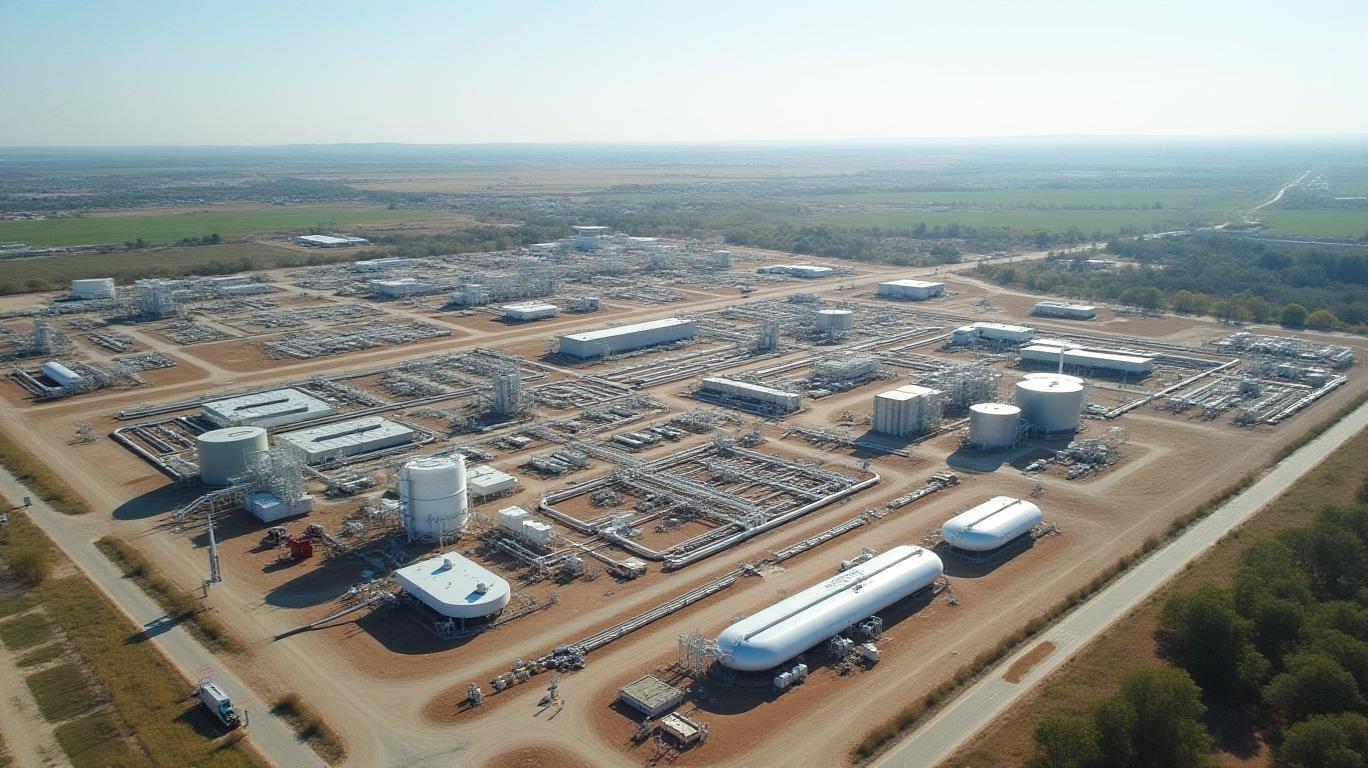 underscores the physical backbone of this strategy, serving 1.7 million customers across Alabama, Missouri, and Mississippi.
Strategic Continuity or a New Direction?
The press release repeatedly emphasizes that Spire’s “strategy remains unchanged.” Investors should take note: This is a leadership change, not a corporate reset. Doyle’s immediate focus will likely be on executing the company’s $2.5 billion capital plan through 2026, which includes replacing aging pipelines and expanding renewable gas initiatives.
Yet there’s room for nuance. Doyle’s prior role at CenterPoint involved regulatory advocacy and public policy—skills that could prove vital as Spire faces increasing scrutiny over methane emissions and infrastructure safety. His board memberships, including the Southern Gas Association, also hint at potential industry partnerships to advance Spire’s agenda.
The Market’s Take: A Stock in Transition?
Investors have yet to react decisively to the leadership shift. A shows shares trading in a narrow range, up 3% year-to-date but lagging the broader utilities sector, which is up 8%. This muted response aligns with the company’s messaging: The transition is orderly, not a red flag.
However, there’s a longer-term question: Can Spire sustain its dividend growth (currently yielding 3.2%) while investing in costly infrastructure? The company’s leverage ratio, at 5.1x EBITDA (vs. the sector average of 5.5x), offers some flexibility. Yet rising interest rates could tighten the margin for error.
The Bottom Line: Steady Hands in a Steady Business
Spire’s leadership change is likely a positive for investors. Doyle’s utility-sector expertise addresses a key vulnerability—executing capital plans in a regulated industry—while the Board’s swift action mitigates uncertainty. The company’s focus on infrastructure modernization aligns with federal incentives under the Inflation Reduction Act, which could boost returns on investments in renewable gas and grid resiliency.
Crucially, Spire’s customer base and geographic footprint remain stable. With 90% of its earnings from regulated utilities (a low-growth but predictable business), the stock offers steady income without excessive risk. While the leadership transition may not spark a surge in share price, it removes a potential overhang and reinforces Spire’s role as a reliable utility player.
In short, this is a transition best viewed through the lens of stability. For income-focused investors, Spire remains a solid bet—provided the new CEO can keep the company’s aging infrastructure from becoming a liability. The market’s muted reaction suggests the Street agrees: This is a leadership shift, not a revolution.
Conclusion: Spire’s stock, trading at 16.5x 2025E EPS (vs. the sector average of 18x), appears undervalued given its stable cash flows and disciplined capital allocation. Doyle’s appointment reinforces the company’s strategic continuity, reducing management risk in an industry where execution matters more than vision. With a dividend supported by 1.8x coverage and a track record of 8% annualized returns since 2015, investors can expect Spire to remain a stalwart in regulated utilities—even if the leadership change doesn’t stir dramatic headlines.







Comentarios
Aún no hay comentarios