
Spanish Stocks: Strategic Entry Points Ahead of Key EU Fiscal Policy Decisions on Sept 24
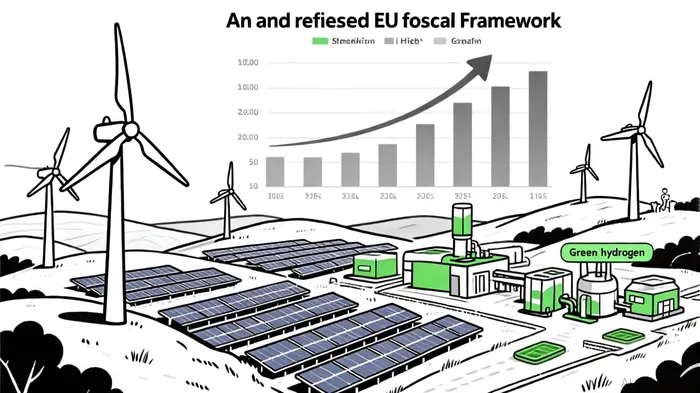
The European Union's fiscal policy decisions on September 24, 2025, mark a pivotal moment for Spain's economy, particularly in its energy and banking sectors. As the revised Stability and Growth Pact (SGP) tightens fiscal discipline while encouraging green and digital investments, Spain faces both challenges and opportunities. With public debt at 113.2% of GDP in 2022 and a structural deficit requiring reduction, the country has secured a seven-year adjustment period under the SGP, contingent on commitments to reforms and investments in critical areas like renewable energy and defense [1]. This creates a unique window for investors to capitalize on sector-specific opportunities while navigating macroeconomic headwinds.
Macroeconomic Positioning: Fiscal Consolidation and Structural Reforms
Spain's fiscal strategy under the revised SGP hinges on balancing deficit reduction with strategic investments. The European Commission has endorsed Spain's medium-term fiscal-structural plan (2025–2028), which allows for a 2.8% average net expenditure growth while targeting a debt-to-GDP ratio decline to 106.8% by 2026 [2]. This framework provides flexibility for public investment in green transitions, a priority for Spain's economic resilience. However, the Bank of Spain warns that growth remains reliant on public spending, with private consumption lagging [3]. Investors should monitor how Spain navigates this delicate balance, as fiscal tightening could impact corporate earnings in the short term but may unlock long-term growth through structural reforms.
Energy Sector: Renewable Energy as a Growth Engine
Spain's energy transition is a cornerstone of its EU-aligned strategy. The European Commission approved a €699 million national plan to boost energy storage, a critical enabler for integrating renewable sources like wind and solar [4]. Leading firms such as Iberdrola and Acciona are at the forefront, with Iberdrola investing €21.5 billion by 2026 in projects like the East Anglia Hub and Tâmega hydroelectric plant [5]. The government's goal of generating 81% of energy from renewables by 2030 is supported by industrial clusters like the Basque “super cluster” and the Andalusian Green Hydrogen Valley [6].
However, challenges persist. Windfall taxes on energy companies, which use net turnover as a tax base rather than profitability, have drawn criticism for deterring private investment [7]. Repsol, for instance, has paused green hydrogen projects due to regulatory uncertainty [8]. Investors may find opportunities in green bonds and public-private partnerships (PPPs). For example, Banco Santander has issued €3 billion in green bonds and invested in 500 MW of renewable projects, while CaixaBank leverages its SDG Framework to fund clean energy initiatives [9].
Banking Sector: Navigating Fiscal Pressures and Green Financing
Spain's banking sector faces dual pressures from windfall taxes and evolving fiscal policies. The 4.8% tax on banks' net interest income and fees, initially temporary, is under consideration for permanence, raising concerns about reduced credit availability and higher loan rates [10]. The Bank of Spain notes that declining Euribor rates have already pressured net interest income, with further declines expected in 2026 [11].
Yet, the sector is adapting. Santander's Green Investment platform has financed nine renewable projects with 500 MW capacity, while CaixaBank's €1 billion green bond issuance highlights the sector's pivot to sustainable finance [12]. The European Central Bank (ECB) has flagged risks to bank resilience during downturns but acknowledges the sector's strong solvency [13]. Investors should focus on banks with robust ESG frameworks and diversified portfolios, as these institutions are better positioned to weather regulatory shifts.
Strategic Entry Points for Investors
- Renewable Energy Firms with EU Funding Ties: Companies like Iberdrola and Acciona benefit from EU subsidies and long-term PPAs, offering stable cash flows despite short-term tax headwinds.
- Green Bonds and PPPs: Spain's fourth-largest green bond market in the EU [14] provides opportunities for fixed-income investors seeking yield with ESG alignment.
- Banking Stocks with ESG Integration: SantanderSAN-- and CaixaBank's green financing initiatives mitigate exposure to fiscal risks while aligning with global sustainability trends.
Risks and Considerations
- Windfall Tax Uncertainty: Permanent taxes could stifle investment in renewables and reduce bank credit availability.
- EU Compliance Pressures: Spain's delayed transposition of renewable energy directives risks legal action, potentially disrupting project timelines [15].
- Global Trade Tensions: The 10% US tariff on EU goods and potential Eurozone fragmentation pose macroeconomic risks [16].
Conclusion
Spain's fiscal and energy strategies present a nuanced landscape for investors. While the revised SGP imposes tighter fiscal discipline, it also incentivizes green and digital investments, creating opportunities in renewable energy and sustainable finance. Investors who prioritize firms and financial instruments aligned with Spain's long-term transition goals—while hedging against regulatory and macroeconomic risks—stand to benefit from this pivotal period.





Comentarios
Aún no hay comentarios