
The SPAC Market Reemergence of 2025: Assessing Capital Formation Efficiency and Risk-Adjusted Returns
The SPAC market, once a symbol of speculative excess, is experiencing a renaissance in 2025. After years of regulatory scrutiny and underperformance, SPACs have regained traction, raising over $13 billion in IPO issuance and accounting for 65% of U.S. IPO volume in the third quarter alone, according to an IBA Fin report. This resurgence, however, raises critical questions about capital formation efficiency and risk-adjusted returns-two metrics that have historically defined SPACs as both a tool for innovation and a source of investor skepticism.
Capital Formation Efficiency: A Structural Turnaround?
The 2025 SPAC revival is underpinned by structural improvements. According to a Boston Institute of Analytics report, experienced sponsors, regulatory easing under a Trump administration, and reduced competition from major investment banks have created a fertile environment for SPACs. Boutique firms like Cohen & Co and Cantor Fitzgerald now dominate the market, leveraging streamlined deal structures and sector-specific expertise to attract capital.
Data from IBA Fin reveals that SPACs raised $11 billion through mid-2025, with 95% redemption rates-a metric that, while high, reflects investor caution rather than outright rejection. A LinkedIn analysis reaches similar conclusions. The focus has shifted to mature, operationally viable companies in high-growth sectors like AI, clean energy, and biotech, diverging from the speculative ventures of the 2020–2021 boom, as an Invezz article notes. This shift, coupled with improved governance standards, has restored institutional investor confidence, with many returning to SPACs as a vehicle for accessing innovation-driven markets, according to a Woodruff Sawyer commentary.
Risk-Adjusted Returns: A Cautionary Tale
Despite these positives, SPACs remain a double-edged sword. A University of Florida study underscores that SPACs have historically delivered average returns below the broader market since 2009, and Motley Fool SPAC statistics document some sectors posting losses exceeding 50%. In 2025, while initial IPOs have shown promise, post-merger declines of up to 75% from IPO prices persist, particularly in speculative areas like AI and crypto, a point the Invezz article also highlights.
Experts caution that structural issues-such as misaligned incentives and weak post-merger performance-continue to plague SPACs. For instance, even with improved due diligence, sponsors often face pressure to meet aggressive growth forecasts, which can inflate valuations beyond fundamental metrics, IBA Fin reports. As stated by Woodruff Sawyer, a leading investment firm, "Unless SPACs anchor their valuations to tangible value creation, risk-adjusted returns will remain subpar compared to traditional IPOs."
Balancing Opportunity and Caution
The 2025 SPAC revival is not a return to the speculative frenzy of 2021 but a recalibrated approach. Investors who focus on fundamentals-such as sponsor track records, sector viability, and post-merger governance-may outperform those chasing hype, a conclusion supported by Motley Fool data. However, the market's concentration in high-risk sectors and lingering redemption challenges suggest that caution is warranted.
For now, SPACs appear to have found a middle ground between innovation and accountability. Whether this translates into sustainable risk-adjusted returns will depend on how well sponsors navigate the delicate balance between ambition and prudence.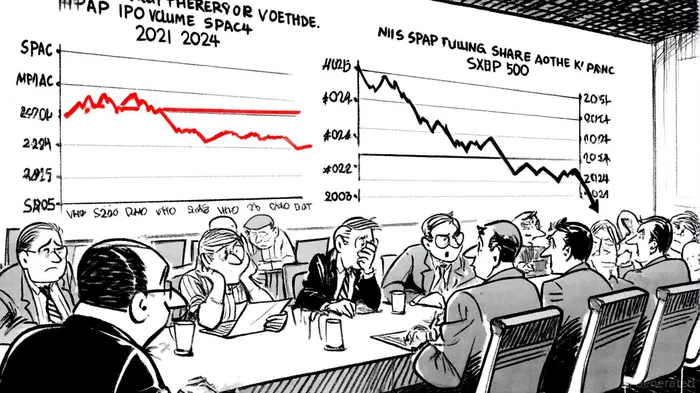







Comentarios
Aún no hay comentarios