
The SPAC Bubble's Demise: Lessons from MSP Recovery's $32 Billion Collapse
The collapse of MSP Recovery, a once-$32.6 billion medical litigation company that merged with a SPAC in 2022, serves as a cautionary tale about the perils of speculative valuations and regulatory fatigue in modern capital markets. Its dramatic fall-from a record-breaking SPAC deal to a stock price plunge exceeding 60% within hours of its Nasdaq debut-exposes systemic vulnerabilities in the SPAC model. This case underscores the risks of overreliance on unproven business models, aggressive financial projections, and the erosion of investor trust in an environment marked by regulatory uncertainty.
The Rise and Fall of MSP Recovery
MSP Recovery's SPAC merger with LionheartCUB-- Acquisition Corp II in 2022 was hailed as a landmark transaction, valued at $32.6 billion and touted as the largest U.S. SPAC deal by enterprise value at the time. The company's business model centered on using advanced algorithms to identify recoverable Medicare and Medicaid funds, a premise that attracted significant investor enthusiasm. However, the reality proved far less compelling. At the time of the merger, MSP Recovery generated minimal revenue, and its financial projections-crucial to justifying its valuation-remained unmet.
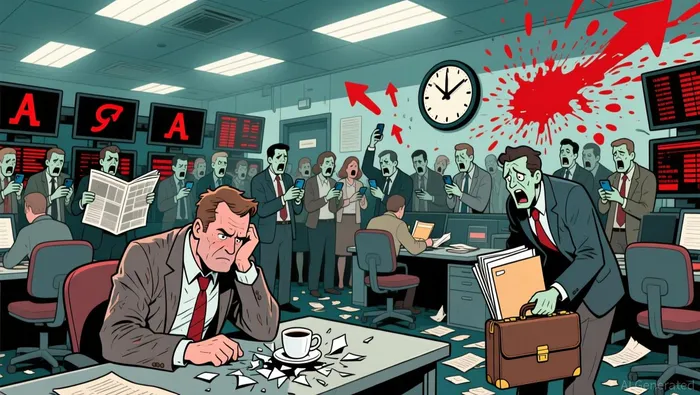 The company's collapse was accelerated by regulatory scrutiny. In 2023, the SEC launched an investigation into its SPAC merger and subsequent accounting errors, further eroding confidence. By the time of its Nasdaq debut, the stock's value had already been undermined by these revelations. The CEO, John H. Ruiz, who held a 65% stake, saw his net worth plummet from $21.4 billion to $8.3 billion in a matter of hours. This episode highlights how SPACs can amplify speculative risks when companies lack tangible financial performance or robust governance.
The SPAC Market's Evolution: From Speculation to Discipline
The SPAC market has undergone a dramatic transformation since its 2021 peak. Initially driven by speculative fervor, the sector faced a sharp correction in 2022 as investors grappled with high redemption rates and underperforming companies. By 2025, however, the market has entered a new phase-SPAC 4.0-characterized by stricter governance and performance-based incentives.
Regulatory reforms, including enhanced SEC disclosure requirements finalized in 2024, have played a pivotal role in this shift. These changes aim to align sponsor and investor interests through mechanisms such as earn-outs and extended timelines for business combinations. Additionally, the market has moved away from speculative industries like electric vehicles and consumer tech, favoring sectors like AI and fintech. This evolution reflects a broader recognition that SPACs must deliver value through sustainable business models, not just aggressive storytelling.
Regulatory Fatigue and Investor Behavior
Despite these improvements, the SPAC market remains vulnerable to regulatory fatigue-a phenomenon where prolonged scrutiny and litigation deter sponsors and investors. Between 2022 and 2025, SPACs faced a wave of securities class action lawsuits and fiduciary duty litigation, with Delaware courts becoming a focal point for legal disputes. For example, the 2023 securities class action against MSP Recovery, which alleged misleading disclosures, underscored the risks of inadequate due diligence.
Investor behavior has also shifted. Retail speculation, once a hallmark of the SPAC boom, has waned, with redemption rates remaining high. Institutional investors, however, have shown renewed interest in SPACs with strong fundamentals, signaling a maturation of the market. This shift is partly driven by improved D&O insurance pricing and a more favorable regulatory environment under SEC Chair Paul Atkins, who has signaled a more accommodating stance toward SPACs.
Lessons for the Future
MSP Recovery's collapse offers critical lessons for investors and regulators. First, it highlights the dangers of valuing pre-revenue companies based on speculative algorithms and unproven financial projections. Second, it underscores the need for robust governance and transparency, particularly in SPACs targeting complex or opaque industries. Finally, it illustrates how regulatory fatigue can exacerbate market instability, even as reforms aim to restore confidence.
The SPAC model is not inherently flawed, but its success depends on aligning incentives, prioritizing quality over hype, and maintaining regulatory vigilance. As the market enters 2025, the challenge lies in sustaining this discipline while avoiding a return to the speculative excesses of the past.





Comentarios
Aún no hay comentarios