
SouthGobi's Board Meeting Looms: Financial Transparency and Strategic Shifts in Focus
SouthGobi Resources Ltd. (HK:1878; TSX-V:SGQ) is set to host its board meeting on May 15, 2025, a critical date for investors seeking clarity on the company’s first-quarter performance and broader strategic direction. As the Mongolian coal producer navigates a volatile commodities market, the meeting’s outcome could influence investor sentiment and valuation multiples in the coming months.
Key Focus: Q1 Financials and Operational Performance
The May 15 board meeting will primarily focus on approving the quarterly financial results for the period ending March 31, 2025. These results will be released to the public immediately after the meeting, offering the first official update on SouthGobi’s performance since 2024. For context, in 2023, the company reported a net loss of C$18.2 million amid falling coal prices and operational challenges.
Investors will scrutinize metrics such as revenue growth, cost control, and debt levels, especially as SouthGobi seeks to stabilize its balance sheet. A key question is whether the company has improved its cash flow from operations, which turned negative in 2023 due to rising expenses.
Market Dynamics: Coal Prices and Chinese Demand
SouthGobi’s fortunes are intrinsically tied to global coal prices and demand from China, its primary customer. Over the past year, thermal coal prices have fluctuated between $150–$250 per ton, driven by Chinese energy policy and winter heating needs. A sustained price above $200/ton could significantly boost SouthGobi’s margins.
However, China’s push for renewable energy and carbon neutrality targets by 2060 may limit long-term coal demand. Analysts estimate that Chinese coal consumption could peak by 2030, creating a critical window for coal producers like SouthGobi to capitalize on high prices while they can.
Strategic Considerations: Diversification and Regulatory Risks
Beyond financials, investors should watch for hints of strategic shifts. Mongolia’s regulatory environment remains a challenge, with ongoing disputes over mining licenses and royalties. In 2023, the government proposed new rules to increase state ownership in mining projects, which could pressure SouthGobi’s profitability.
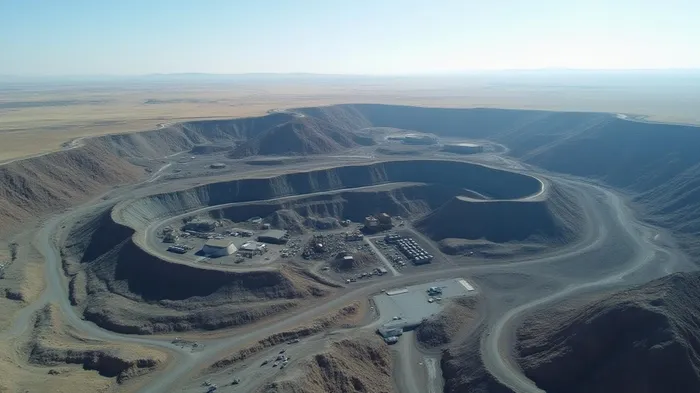
Additionally, the company’s reliance on a single mine (Ovoot Tolgoi) leaves it vulnerable to operational disruptions. A potential diversification into other minerals or regions could signal strategic resilience.
The Shareholder Meeting: What to Expect on June 26
While the June 26 Annual and Special General Meeting (AGM) is not a board meeting, it will be critical for shareholder engagement. The AGM’s agenda—still undisclosed—may include discussions on dividends, leadership changes, or major capital expenditures. Proxy voting deadlines and the management circular’s content will be key to understanding shareholder priorities.
Valuation and Investment Thesis
SouthGobi’s stock has underperformed peers like Yancoal (YALTF) and Peabody Energy (BTU) over the past year, trading at a price-to-book ratio of 0.4x versus Yancoal’s 1.2x. This discount reflects concerns over its debt load and operational challenges. However, a strong Q1 earnings report with improved margins could narrow this gap.
Conclusion: A Crossroads for SouthGobi
SouthGobi’s May 15 board meeting is a pivotal moment. If Q1 results show a rebound in revenue (e.g., >20% sequential growth) and reduced net losses, it could reposition the stock as a speculative buy for investors betting on a coal price recovery. Conversely, weak results or signs of persistent operational issues may keep the stock undervalued.
With a market cap of ~$150 million and a manageable debt-to-equity ratio of 0.8x, SouthGobi has room to maneuver. However, its success hinges on two factors: (1) maintaining coal prices above $200/ton and (2) mitigating regulatory risks in Mongolia. Investors should also monitor the June AGM for clues on strategic pivots.
In the short term, the stock’s valuation offers asymmetric upside if coal markets stabilize. Yet, with China’s energy transition on the horizon, SouthGobi’s long-term viability depends on diversifying its asset base—a challenge that remains unproven.
Final Take: SouthGobi is a high-risk, high-reward play for investors willing to bet on near-term coal demand. The May 15 results will be the first test of whether the company can navigate this critical juncture.







Comentarios
Aún no hay comentarios