
South Korean Steel Stocks Tumble as Trump Tariff Talk Looms
Generado por agente de IAWesley Park
domingo, 9 de febrero de 2025, 7:35 pm ET1 min de lectura
PKX--
Shares of South Korean steelmakers have taken a hit this week as investors brace for potential tariffs on steel imports from the United States. The sell-off comes amid reports that former U.S. President Donald Trump is considering re-imposing tariffs on steel imports from various countries, including South Korea.
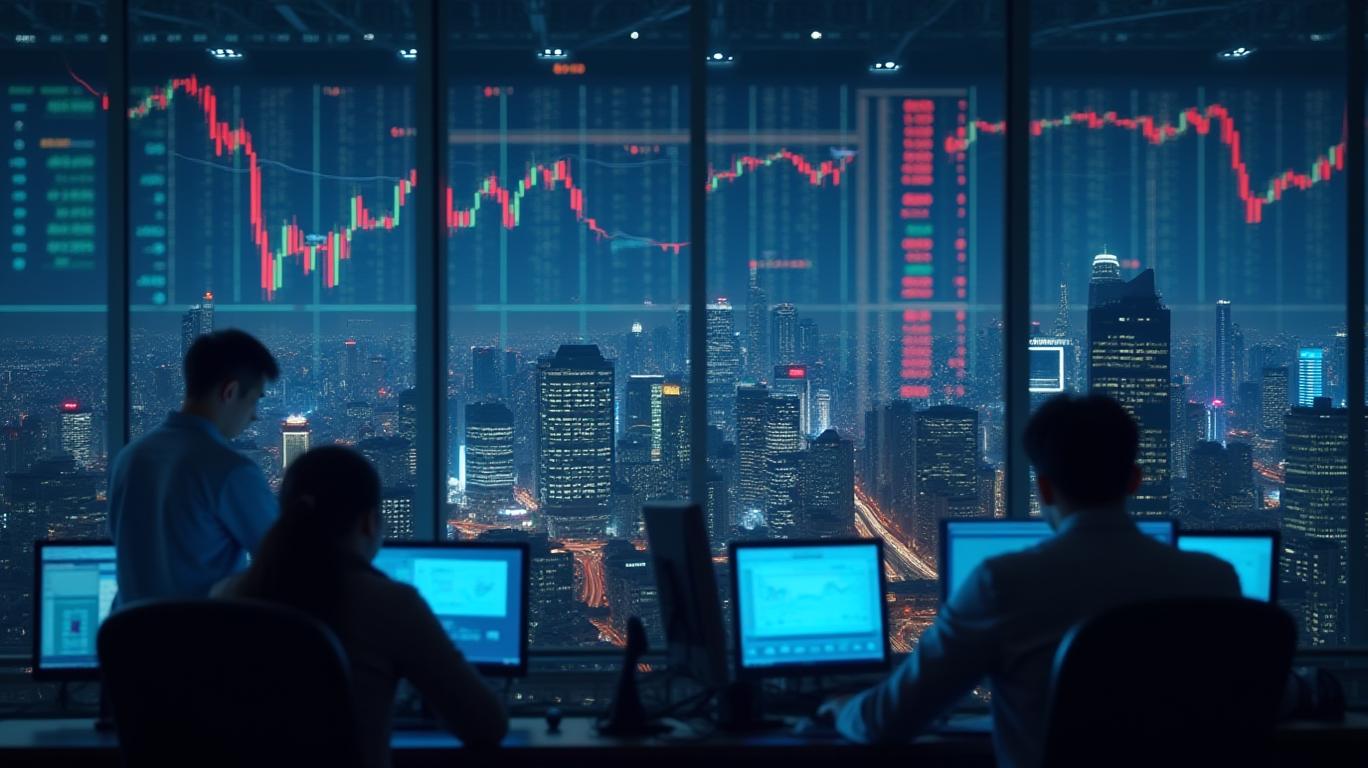
The Korean Iron and Steel Association (KISA) has expressed concern over the potential impact of U.S. tariffs on the domestic steel industry. In a statement, KISA warned that the imposition of tariffs could lead to a significant decline in steel exports to the U.S., which accounted for 12.5% of South Korea's total steel exports in 2024.
South Korean steelmakers, such as POSCO, SeAH Steel, and KISCO, have seen their stock prices fall in response to the tariff talk. POSCO, the world's most competitive steel company, has seen its share price drop by 5.2% over the past week. SeAH Steel and KISCO have also experienced similar declines, with their share prices falling by 4.8% and 3.9%, respectively.
Investors are worried that the re-imposition of tariffs could lead to a decline in demand for South Korean steel products in the U.S., which would negatively impact the financial performance of these companies. Additionally, the potential for increased competition from Chinese steel companies, which may redirect their exports to South Korea if they face higher tariffs in the U.S., could further strain the profitability of South Korean steelmakers.
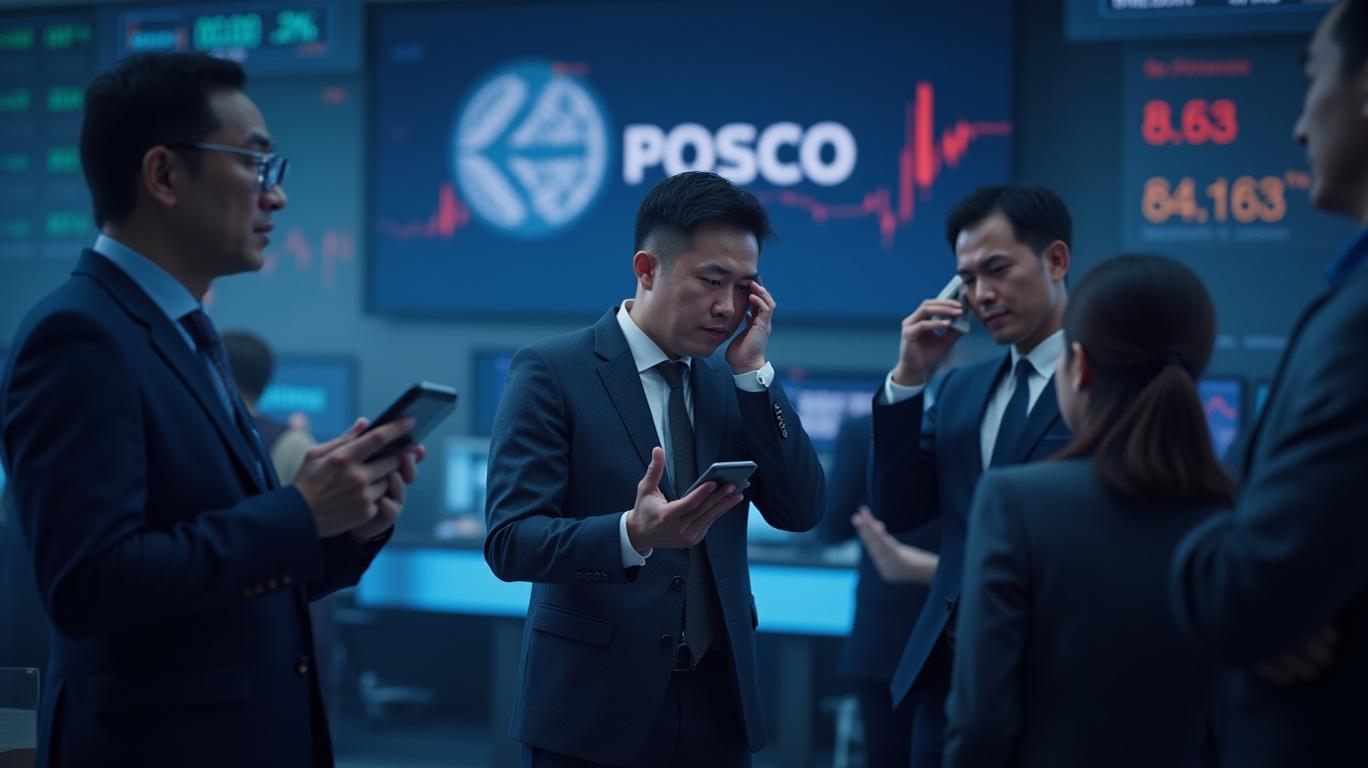
To mitigate the risks associated with potential trade restrictions, South Korean steelmakers can take several strategic measures. Diversifying production locations and investing in U.S. production facilities can help these companies bypass potential tariffs and quotas, as well as reduce transportation costs. Additionally, focusing on R&D capabilities and developing eco-friendly technologies, such as hydrogen reduction steelmaking, can help South Korean steelmakers secure a competitive edge in the global market.
In conclusion, the potential re-imposition of tariffs by the Trump administration has led to a sell-off in South Korean steelmaker stocks. Investors are concerned about the potential impact of U.S. tariffs on the financial performance of these companies. To adapt to these changes, South Korean steelmakers should consider diversifying production locations, investing in U.S. production facilities, and focusing on R&D capabilities to develop eco-friendly technologies. By taking these strategic measures, South Korean steelmakers can better position themselves to face the challenges posed by potential trade restrictions and maintain their competitiveness in the global steel market.
Shares of South Korean steelmakers have taken a hit this week as investors brace for potential tariffs on steel imports from the United States. The sell-off comes amid reports that former U.S. President Donald Trump is considering re-imposing tariffs on steel imports from various countries, including South Korea.
The Korean Iron and Steel Association (KISA) has expressed concern over the potential impact of U.S. tariffs on the domestic steel industry. In a statement, KISA warned that the imposition of tariffs could lead to a significant decline in steel exports to the U.S., which accounted for 12.5% of South Korea's total steel exports in 2024.
South Korean steelmakers, such as POSCO, SeAH Steel, and KISCO, have seen their stock prices fall in response to the tariff talk. POSCO, the world's most competitive steel company, has seen its share price drop by 5.2% over the past week. SeAH Steel and KISCO have also experienced similar declines, with their share prices falling by 4.8% and 3.9%, respectively.
Investors are worried that the re-imposition of tariffs could lead to a decline in demand for South Korean steel products in the U.S., which would negatively impact the financial performance of these companies. Additionally, the potential for increased competition from Chinese steel companies, which may redirect their exports to South Korea if they face higher tariffs in the U.S., could further strain the profitability of South Korean steelmakers.
To mitigate the risks associated with potential trade restrictions, South Korean steelmakers can take several strategic measures. Diversifying production locations and investing in U.S. production facilities can help these companies bypass potential tariffs and quotas, as well as reduce transportation costs. Additionally, focusing on R&D capabilities and developing eco-friendly technologies, such as hydrogen reduction steelmaking, can help South Korean steelmakers secure a competitive edge in the global market.
In conclusion, the potential re-imposition of tariffs by the Trump administration has led to a sell-off in South Korean steelmaker stocks. Investors are concerned about the potential impact of U.S. tariffs on the financial performance of these companies. To adapt to these changes, South Korean steelmakers should consider diversifying production locations, investing in U.S. production facilities, and focusing on R&D capabilities to develop eco-friendly technologies. By taking these strategic measures, South Korean steelmakers can better position themselves to face the challenges posed by potential trade restrictions and maintain their competitiveness in the global steel market.

Divulgación editorial y transparencia de la IA: Ainvest News utiliza tecnología avanzada de Modelos de Lenguaje Largo (LLM) para sintetizar y analizar datos de mercado en tiempo real. Para garantizar los más altos estándares de integridad, cada artículo se somete a un riguroso proceso de verificación con participación humana.
Mientras la IA asiste en el procesamiento de datos y la redacción inicial, un miembro editorial profesional de Ainvest revisa, verifica y aprueba de forma independiente todo el contenido para garantizar su precisión y cumplimiento con los estándares editoriales de Ainvest Fintech Inc. Esta supervisión humana está diseñada para mitigar las alucinaciones de la IA y garantizar el contexto financiero.
Advertencia sobre inversiones: Este contenido se proporciona únicamente con fines informativos y no constituye asesoramiento profesional de inversión, legal o financiero. Los mercados conllevan riesgos inherentes. Se recomienda a los usuarios que realicen una investigación independiente o consulten a un asesor financiero certificado antes de tomar cualquier decisión. Ainvest Fintech Inc. se exime de toda responsabilidad por las acciones tomadas con base en esta información. ¿Encontró un error? Reportar un problema


SOBRE NOSOTROS
Nuestra historiaAutores de noticiasBase de conocimientosPolítica de privacidadTérmino de usoDescargo de responsabilidad de corretaje de tercerosTérminos de uso de AIMEDivulgaciones de riesgos de AInvest AICarrerasCONTÁCTENOS
Email: support@ainvest.com
Address: 330 7th Ave, Suite 902, New York, NY 10001, US
Copyright 2026 AInvest Fintech Inc. All rights reserved.


Comentarios
Aún no hay comentarios