
South Korean Firms Take Tariff Matters into Their Own Hands Amid Political Turmoil
Generado por agente de IAWesley Park
martes, 25 de febrero de 2025, 4:12 am ET2 min de lectura
As political instability in South Korea continues to make headlines, the country's companies are taking matters into their own hands to mitigate the risks associated with potential tariff increases. With US President-elect Donald Trump threatening to impose hefty tariffs on major trading partners, South Korean firms are diversifying their supply chains, investing in new markets, and engaging in dialogue with governments to protect their businesses and the broader economy.
South Korean companies have historically responded to political instability and tariff threats by proactively addressing these challenges. When former US President Donald Trump threatened to impose tariffs on South Korean steel and aluminum in 2018, companies like Samsung Electronics quickly responded by investing in new production facilities in the US. This move not only helped Samsung avoid potential tariffs but also allowed the company to tap into the US market more effectively. Additionally, South Korean companies have been actively engaging in dialogue with the US government to address trade concerns and maintain a stable trade relationship. For example, the Korea International Trade Association (KITA) has been working closely with the US government to promote trade and investment between the two countries.
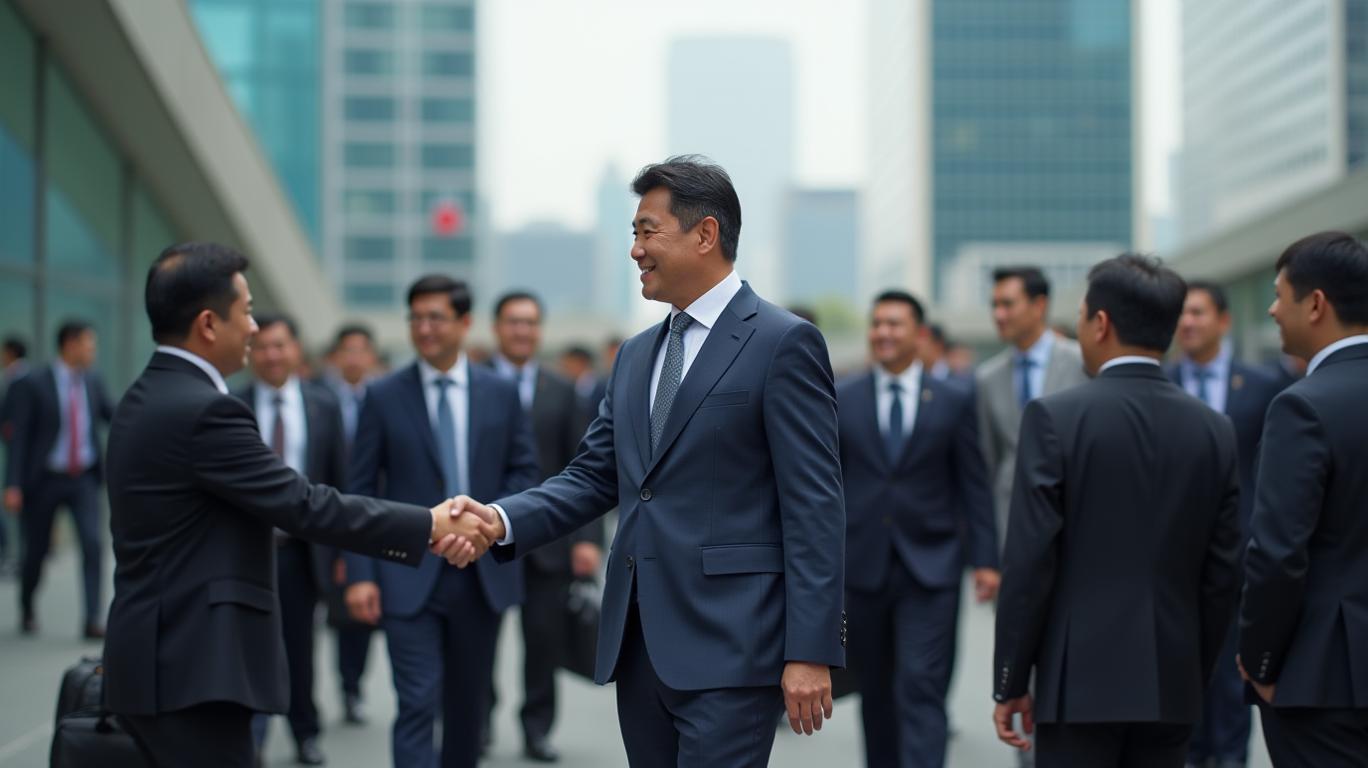
As the political situation in South Korea remains uncertain, companies are implementing several strategies to mitigate the risks associated with potential tariff increases. These strategies include:
1. Diversifying export destinations: South Korean companies are exploring new markets to reduce their dependence on the US market. For instance, Samsung Electronics has been expanding its presence in Europe and India to offset potential losses from increased US tariffs. This strategy can help South Korean companies maintain their overall export volume and revenue, reducing the impact of tariffs on the US market.
2. Investing in local production: South Korean companies are considering setting up or expanding production facilities in the US to avoid tariffs on imported goods. For example, LG Electronics has been investing in US-based manufacturing plants to produce appliances and vehicles locally. This strategy can help South Korean companies maintain their market share in the US while avoiding tariffs on imported goods.
3. Lobbying and advocacy: South Korean companies are engaging with US policymakers and industry associations to voice their concerns about the potential impact of tariffs on their businesses and the US economy. For instance, the Korea International Trade Association (KITA) has been actively lobbying the US government to reconsider its tariff policies. This strategy can help South Korean companies influence US trade policies and mitigate the impact of tariffs on their businesses.
These strategies are likely to be effective in mitigating the risks associated with potential tariff increases, as they allow South Korean companies to diversify their export destinations, maintain their market share in the US, and adapt to changing trade dynamics. However, the effectiveness of these strategies will depend on various factors, such as the extent of tariff increases, the response of US consumers and businesses, and the ability of South Korean companies to execute their strategies successfully.
In conclusion, South Korean companies are taking proactive measures to mitigate the risks associated with potential tariff increases amid political turmoil. By diversifying their supply chains, investing in new markets, and engaging in dialogue with governments, these companies are demonstrating their commitment to protecting their businesses and the broader economy. As the political situation in South Korea continues to evolve, it is crucial for these companies to maintain political stability and secure their trade reliability to safeguard their position in the global economy.



Divulgación editorial y transparencia de la IA: Ainvest News utiliza tecnología avanzada de Modelos de Lenguaje Largo (LLM) para sintetizar y analizar datos de mercado en tiempo real. Para garantizar los más altos estándares de integridad, cada artículo se somete a un riguroso proceso de verificación con participación humana.
Mientras la IA asiste en el procesamiento de datos y la redacción inicial, un miembro editorial profesional de Ainvest revisa, verifica y aprueba de forma independiente todo el contenido para garantizar su precisión y cumplimiento con los estándares editoriales de Ainvest Fintech Inc. Esta supervisión humana está diseñada para mitigar las alucinaciones de la IA y garantizar el contexto financiero.
Advertencia sobre inversiones: Este contenido se proporciona únicamente con fines informativos y no constituye asesoramiento profesional de inversión, legal o financiero. Los mercados conllevan riesgos inherentes. Se recomienda a los usuarios que realicen una investigación independiente o consulten a un asesor financiero certificado antes de tomar cualquier decisión. Ainvest Fintech Inc. se exime de toda responsabilidad por las acciones tomadas con base en esta información. ¿Encontró un error? Reportar un problema


SOBRE NOSOTROS
Nuestra historiaAutores de noticiasBase de conocimientosPolítica de privacidadTérmino de usoDescargo de responsabilidad de corretaje de tercerosTérminos de uso de AIMEDivulgaciones de riesgos de AInvest AICarrerasCONTÁCTENOS
Email: support@ainvest.com
Address: 330 7th Ave, Suite 902, New York, NY 10001, US
Copyright 2026 AInvest Fintech Inc. All rights reserved.


Comentarios
Aún no hay comentarios