
South Korean Court Clears HSBC of Short-Selling Rule Violations
Generado por agente de IAHarrison Brooks
martes, 11 de febrero de 2025, 2:27 am ET1 min de lectura
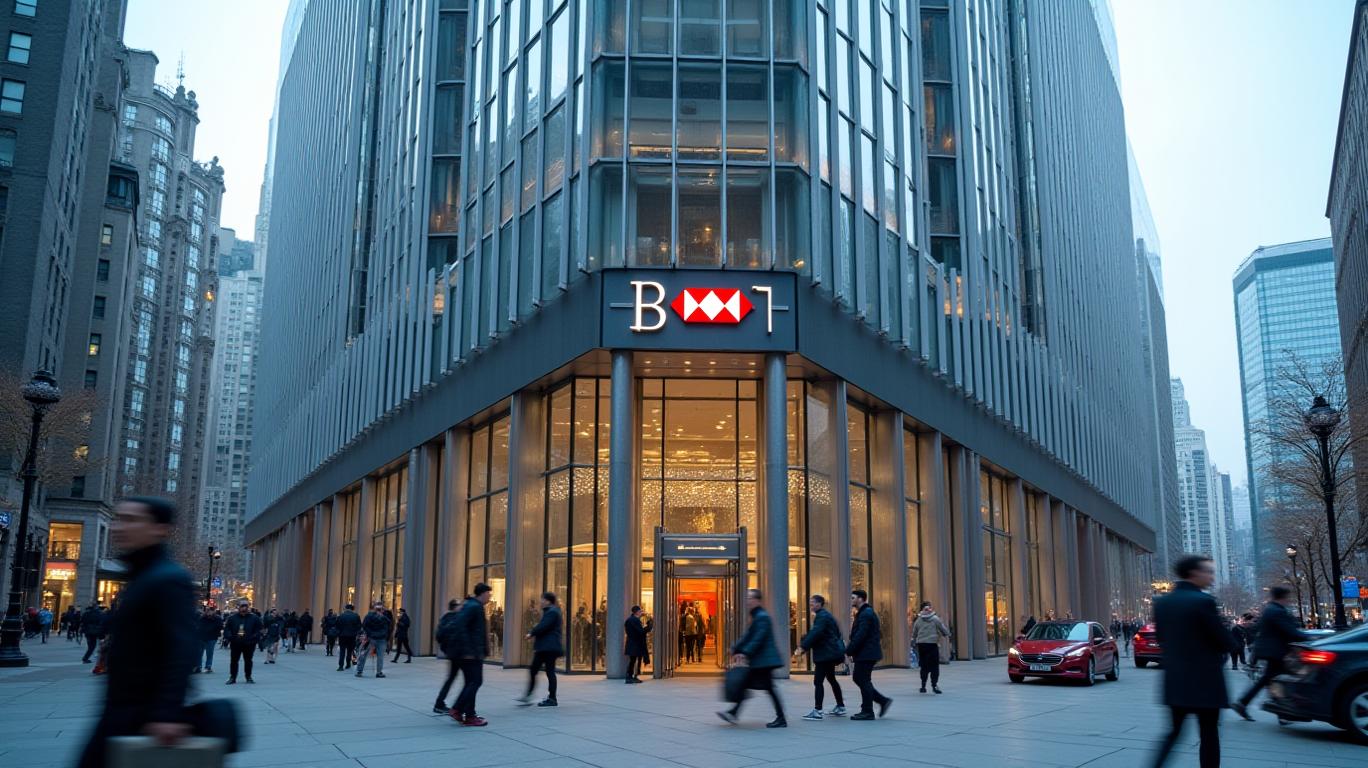
South Korea's financial regulator has cleared HSBC of violating short-selling rules, according to a report by Yonhap. The decision comes after an investigation into the bank's activities in the Korean stock market, which had raised concerns about potential illegal naked short selling.
The Financial Services Commission (FSC) under the Financial Services Commission (FSC) concluded that HSBC had not engaged in any illegal activities related to short selling. The bank was one of several global investment banks under scrutiny for potential violations of short selling restrictions in South Korea.
The ruling is a significant development for HSBC, which has been facing increased regulatory scrutiny and potential penalties for its activities in the Korean market. The bank has maintained its innocence throughout the investigation, and the court's decision clears its name of any wrongdoing.
The decision may also have broader implications for the South Korean stock market and its regulatory environment. The temporary ban on stock short selling, which was imposed as part of efforts to crack down on illegal short selling by global investment banks, may now be reconsidered. The ban had raised concerns about potential damage to foreign investors' trust in the Korean market and its regulatory environment.
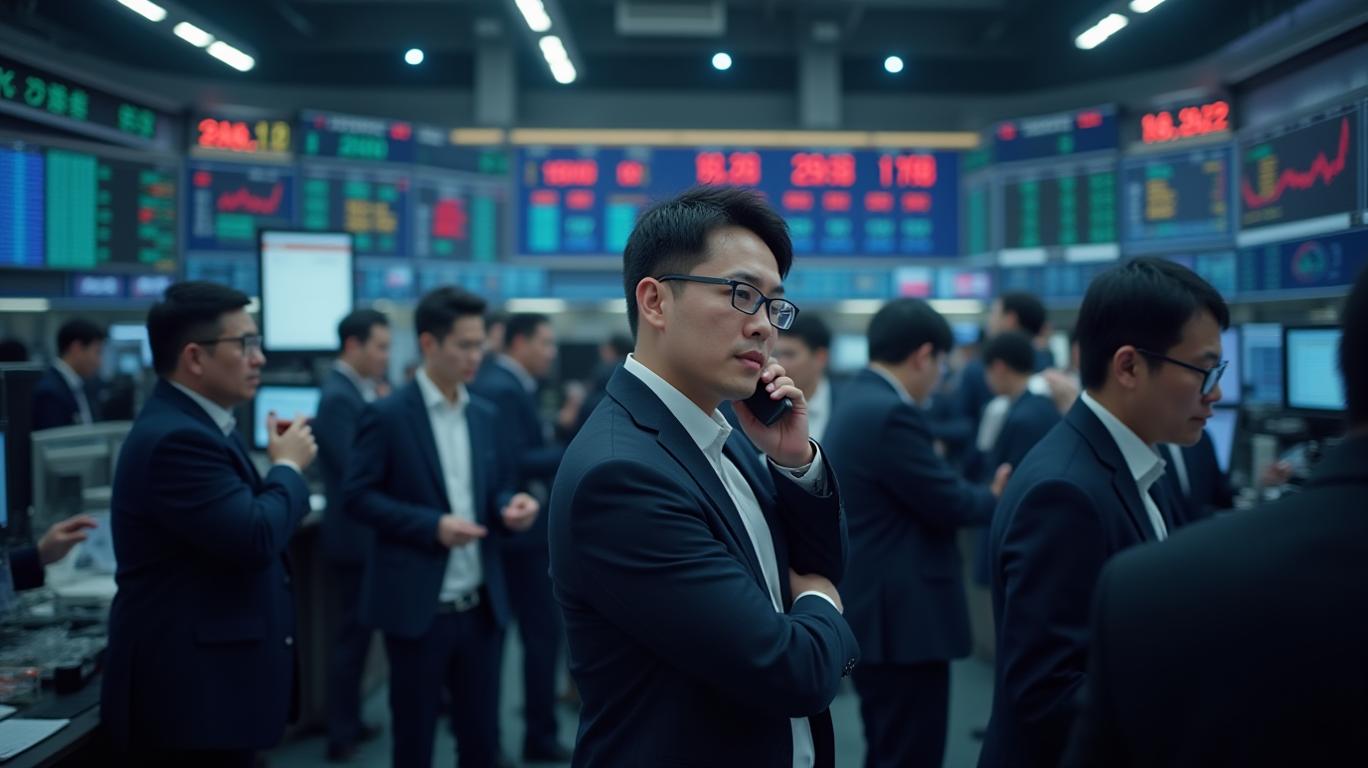
The ruling also highlights the importance of maintaining a fair and transparent market environment, as well as the need for regulators to strike a balance between protecting investors and maintaining market liquidity. The South Korean government has been taking steps to improve the system and eradicate illegal short selling, which has been a concern for retail investors and the broader market.
In conclusion, the South Korean court's decision to clear HSBC of short-selling rule violations is a positive development for the bank and the broader market. The ruling may have broader implications for the South Korean stock market and its regulatory environment, and underscores the importance of maintaining a fair and transparent market environment. As the market continues to evolve, regulators will need to balance the need to protect investors with the need to maintain market liquidity and encourage foreign investment.



Divulgación editorial y transparencia de la IA: Ainvest News utiliza tecnología avanzada de Modelos de Lenguaje Largo (LLM) para sintetizar y analizar datos de mercado en tiempo real. Para garantizar los más altos estándares de integridad, cada artículo se somete a un riguroso proceso de verificación con participación humana.
Mientras la IA asiste en el procesamiento de datos y la redacción inicial, un miembro editorial profesional de Ainvest revisa, verifica y aprueba de forma independiente todo el contenido para garantizar su precisión y cumplimiento con los estándares editoriales de Ainvest Fintech Inc. Esta supervisión humana está diseñada para mitigar las alucinaciones de la IA y garantizar el contexto financiero.
Advertencia sobre inversiones: Este contenido se proporciona únicamente con fines informativos y no constituye asesoramiento profesional de inversión, legal o financiero. Los mercados conllevan riesgos inherentes. Se recomienda a los usuarios que realicen una investigación independiente o consulten a un asesor financiero certificado antes de tomar cualquier decisión. Ainvest Fintech Inc. se exime de toda responsabilidad por las acciones tomadas con base en esta información. ¿Encontró un error? Reportar un problema


SOBRE NOSOTROS
Nuestra historiaAutores de noticiasBase de conocimientosPolítica de privacidadTérmino de usoDescargo de responsabilidad de corretaje de tercerosTérminos de uso de AIMEDivulgaciones de riesgos de AInvest AICarrerasCONTÁCTENOS
Email: support@ainvest.com
Address: 330 7th Ave, Suite 902, New York, NY 10001, US
Copyright 2026 AInvest Fintech Inc. All rights reserved.


Comentarios
Aún no hay comentarios