
U.S.-South Korea Trade Talks: Navigating Tariffs and Investment Opportunities Amid Political Crosscurrents
The U.S.-South Korea "2+2" trade talks in April 2025 have reignited hopes of resolving a simmering trade dispute, but the path to a deal remains fraught with political and economic hurdles. With a critical July 8 deadline looming for resolving U.S. tariffs on South Korean steel, aluminum, and automobiles, investors must parse the nuances of these negotiations to gauge risks and opportunities across sectors.
The Tariff Tug-of-War
At the heart of the talks are the U.S. tariffs—25% on steel, aluminum, and automobiles—that threaten to disrupt a $34.7 billion annual auto trade corridor between the two nations. South Korea’s automotive giants Hyundai and Kia, which account for nearly all those exports, face existential pressure if tariffs are reimposed. The stakes are equally high for U.S. automakers reliant on Korean supply chains: 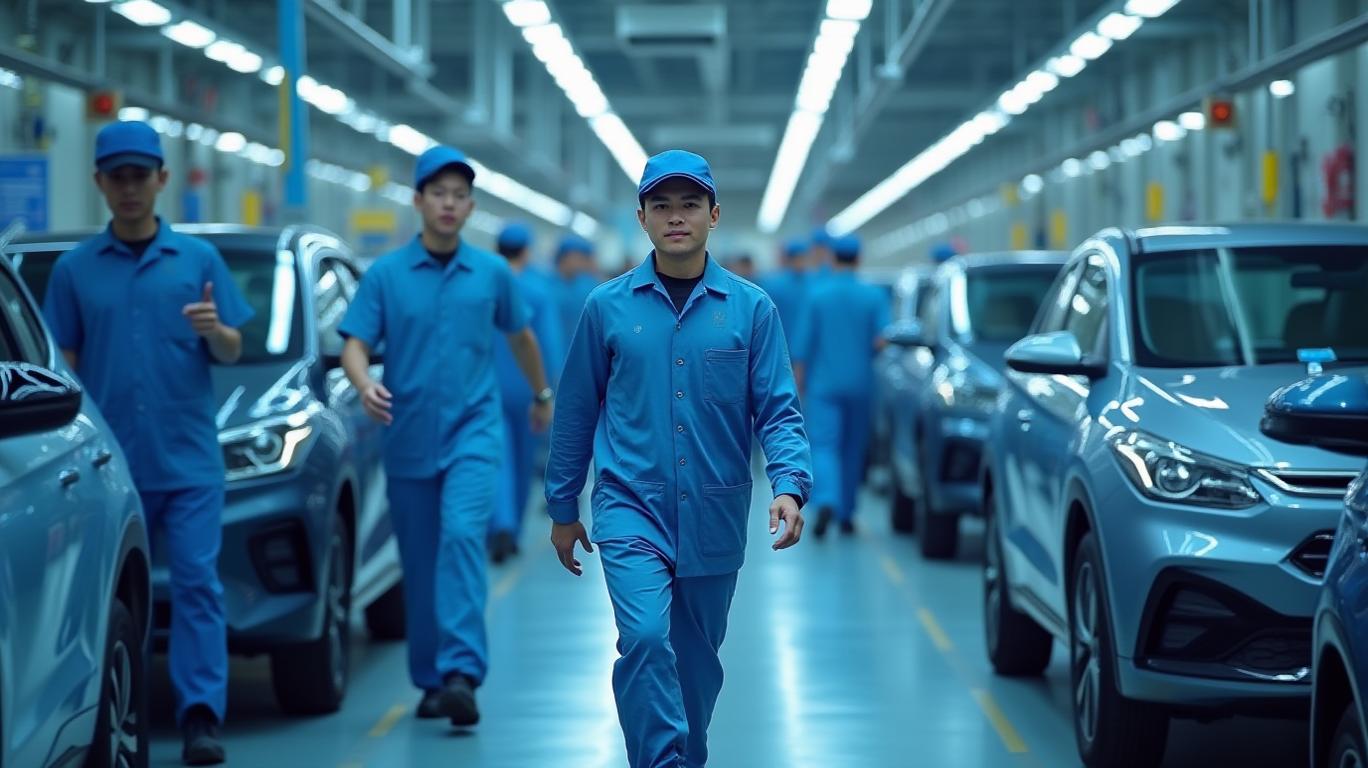
The South Korean delegation proposed a package to address U.S. concerns, including financial contributions to revive the U.S. shipbuilding industry and commitments to a sustainable trade balance. In return, they seek exemptions for automotive and steel exports. While the U.S. Trade Representative (USTR) Greer welcomed these ideas, technical talks will need to bridge gaps on enforcement mechanisms and timelines.
Non-Tariff Barriers and Broader Geopolitical Risks
Beyond tariffs, South Korea pressed the U.S. to lift restrictions on beef imports from cattle over 30 months—a ban rooted in outdated food safety concerns. This highlights the broader challenge of dismantling non-tariff barriers, which often prove harder to resolve than tariff disputes. Meanwhile, the U.S. side, led by Treasury Secretary Bessent, has linked trade talks to unrelated issues like defense cost-sharing—a tactic critics call “one-stop shopping” under President Trump’s administration.
The Clock Is Ticking—and the Calendar Is Loaded
The July 8 deadline looms against a backdrop of political uncertainty. South Korea’s presidential election on June 3 will install a new administration, potentially altering the negotiating stance. Historically, Korean leaders have prioritized U.S. alliancesAENT--, but a new government may recalibrate trade strategies, especially if public sentiment turns against perceived concessions.
Investors should monitor two key timelines:
1. Pre-July 8 progress: If talks stall, U.S. tariffs could crater Korean auto stocks like HYMTF (Hyundai Motor Co. ADR) and KIADY (Kia Motors ADR), which have already seen volatility amid trade fears.
2. Post-election shifts: A new president’s stance on defense spending or regional alliances could expand negotiations, complicating a swift deal.
The Investment Playbook: Risks and Rewards
Winners if a deal is struck:
- U.S. Shipbuilders: South Korea’s offer to bolster the U.S. shipbuilding industry could lift firms like Huntington Ingalls (HII), which is already benefiting from naval modernization programs.
- Auto Supply Chains: A tariff-free environment would stabilize margins for both Korean automakers and U.S. parts suppliers.
Losers if tariffs remain:
- Korean Auto Exports: Hyundai and Kia’s U.S. sales could drop sharply, squeezing their global profit margins.
- Steel Producers: U.S. steelmakers like Nucor (NUE) might lose a competitive edge if South Korean imports flood back in.
Conclusion: A Delicate Balancing Act
The U.S.-South Korea talks are a microcosm of modern trade diplomacy—where economic interdependence clashes with political expediency. With $34.7 billion in annual auto trade at risk and South Korea’s steel exports to the U.S. valued at $2.4 billion in 2024, the arithmetic of a deal is clear. However, the June election and U.S. “one-stop shopping” tactics add layers of uncertainty.
Investors should favor defensive plays in the near term, such as U.S. shipbuilders poised to benefit from South Korea’s overtures, while avoiding overexposure to Korean autos until post-July clarity. A failure to resolve tariffs by July 8 could trigger a 10-15% correction in Hyundai/Kia stocks, per analyst estimates—a stark reminder that trade wars are rarely fought on paper alone.
The path forward hinges on whether both sides can separate trade from geopolitics—a high-stakes gamble with billions riding on July’s outcome.







Comentarios
Aún no hay comentarios