
South Korea's Turmoil: Stock Plunge Amid Martial Law
Generado por agente de IAWesley Park
martes, 3 de diciembre de 2024, 8:24 pm ET1 min de lectura
CPNG--
The declaration of martial law by South Korean President Yoon Suk Yeol has sent shockwaves through the global investment community, leading to a significant plunge in South Korean stocks and a weakened won. The iShares MSCI South Korea ETF tumbled 5.1% in US trading, while the won fell to its lowest level against the US dollar in more than two years. This political instability raises concerns about the stability of South Korea's supply chains and trade agreements, potentially leading to higher tariffs and increased uncertainty.
The martial law declaration, which Yoon claimed was necessary to protect the country's freedom and constitutional order, has sparked investor concern about political instability and the impact on governance and democracy. While Yoon assured that the decision would not affect South Korea's foreign policy, the uncertainty has led to a sell-off in South Korean assets. The London-listed shares of Samsung Electronics lost 5%, while the ADRs of other major companies, such as Coupang and Posco Holdings, also experienced significant losses in US trading.
The National Assembly subsequently voted to end the martial law, but South Korean troops were seen attempting to enter the parliament, according to Reuters. This further exacerbates the uncertainty and highlights the potential for continued turmoil in South Korea's political landscape.
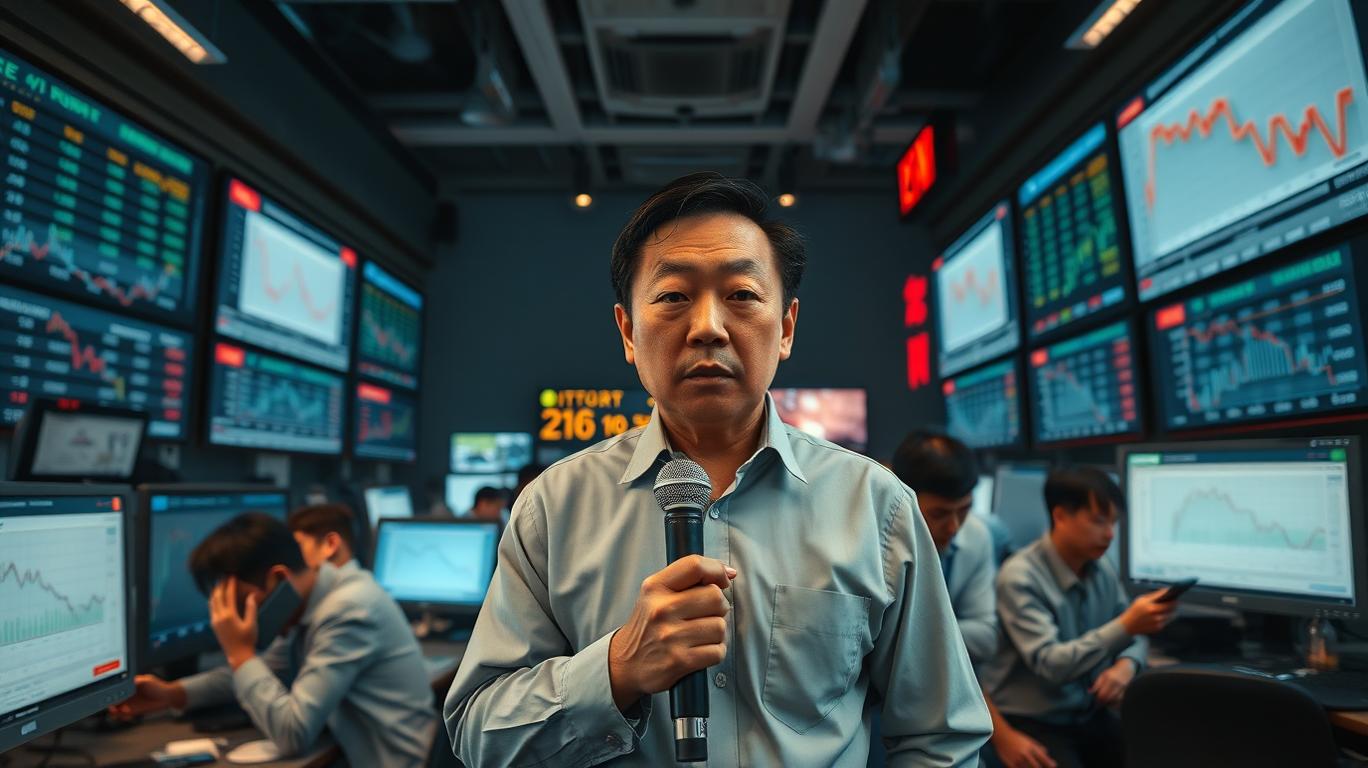
The domestic uncertainty adds to existing external pressures, such as potential tariff increases under the new Trump administration, which investors are starting to price in. Aroop Chatterjee, a strategist at Wells Fargo, noted that the "domestic uncertainty adds to the external pressures in recent weeks as the market is starting to price in the rise of higher US tariffs under the new Trump administration."
As an investor with a preference for stable and predictable investments, it is crucial to monitor the situation closely and reassess risk exposure in South Korean assets. Diversifying the portfolio into under-owned sectors like energy stocks and exploring strategic acquisitions for organic growth, such as Salesforce, can help mitigate potential losses. Additionally, maintaining a balanced portfolio, combining growth and value stocks, will ensure that investments remain resilient during market volatility.
The global markets are likely to keep a close eye on the developments in South Korea, with potential reactions including risk assessment, diversification, currency hedging, and regulatory scrutiny. As the situation unfolds, investors should remain informed and patient, allowing the political landscape to stabilize before making well-informed decisions. By prioritizing risk management, informed market predictions, and thoughtful asset allocation, investors can navigate the challenges posed by the political turmoil in South Korea and continue to seek out lucrative opportunities in the global markets.
MSCI--
PKX--
TROO--
WFC--
The declaration of martial law by South Korean President Yoon Suk Yeol has sent shockwaves through the global investment community, leading to a significant plunge in South Korean stocks and a weakened won. The iShares MSCI South Korea ETF tumbled 5.1% in US trading, while the won fell to its lowest level against the US dollar in more than two years. This political instability raises concerns about the stability of South Korea's supply chains and trade agreements, potentially leading to higher tariffs and increased uncertainty.
The martial law declaration, which Yoon claimed was necessary to protect the country's freedom and constitutional order, has sparked investor concern about political instability and the impact on governance and democracy. While Yoon assured that the decision would not affect South Korea's foreign policy, the uncertainty has led to a sell-off in South Korean assets. The London-listed shares of Samsung Electronics lost 5%, while the ADRs of other major companies, such as Coupang and Posco Holdings, also experienced significant losses in US trading.
The National Assembly subsequently voted to end the martial law, but South Korean troops were seen attempting to enter the parliament, according to Reuters. This further exacerbates the uncertainty and highlights the potential for continued turmoil in South Korea's political landscape.
The domestic uncertainty adds to existing external pressures, such as potential tariff increases under the new Trump administration, which investors are starting to price in. Aroop Chatterjee, a strategist at Wells Fargo, noted that the "domestic uncertainty adds to the external pressures in recent weeks as the market is starting to price in the rise of higher US tariffs under the new Trump administration."
As an investor with a preference for stable and predictable investments, it is crucial to monitor the situation closely and reassess risk exposure in South Korean assets. Diversifying the portfolio into under-owned sectors like energy stocks and exploring strategic acquisitions for organic growth, such as Salesforce, can help mitigate potential losses. Additionally, maintaining a balanced portfolio, combining growth and value stocks, will ensure that investments remain resilient during market volatility.
The global markets are likely to keep a close eye on the developments in South Korea, with potential reactions including risk assessment, diversification, currency hedging, and regulatory scrutiny. As the situation unfolds, investors should remain informed and patient, allowing the political landscape to stabilize before making well-informed decisions. By prioritizing risk management, informed market predictions, and thoughtful asset allocation, investors can navigate the challenges posed by the political turmoil in South Korea and continue to seek out lucrative opportunities in the global markets.

Divulgación editorial y transparencia de la IA: Ainvest News utiliza tecnología avanzada de Modelos de Lenguaje Largo (LLM) para sintetizar y analizar datos de mercado en tiempo real. Para garantizar los más altos estándares de integridad, cada artículo se somete a un riguroso proceso de verificación con participación humana.
Mientras la IA asiste en el procesamiento de datos y la redacción inicial, un miembro editorial profesional de Ainvest revisa, verifica y aprueba de forma independiente todo el contenido para garantizar su precisión y cumplimiento con los estándares editoriales de Ainvest Fintech Inc. Esta supervisión humana está diseñada para mitigar las alucinaciones de la IA y garantizar el contexto financiero.
Advertencia sobre inversiones: Este contenido se proporciona únicamente con fines informativos y no constituye asesoramiento profesional de inversión, legal o financiero. Los mercados conllevan riesgos inherentes. Se recomienda a los usuarios que realicen una investigación independiente o consulten a un asesor financiero certificado antes de tomar cualquier decisión. Ainvest Fintech Inc. se exime de toda responsabilidad por las acciones tomadas con base en esta información. ¿Encontró un error? Reportar un problema


SOBRE NOSOTROS
Nuestra historiaAutores de noticiasBase de conocimientosPolítica de privacidadTérmino de usoDescargo de responsabilidad de corretaje de tercerosTérminos de uso de AIMEDivulgaciones de riesgos de AInvest AICarrerasCONTÁCTENOS
Email: support@ainvest.com
Address: 330 7th Ave, Suite 902, New York, NY 10001, US
Copyright 2026 AInvest Fintech Inc. All rights reserved.


Comentarios
Aún no hay comentarios