
South Korea's Political Tumult: A Storm for Investors
Generado por agente de IAWesley Park
miércoles, 4 de diciembre de 2024, 12:30 am ET1 min de lectura
ELPC--
South Korea's political landscape has been roiled by President Yoon Suk Yeol's surprise declaration of martial law, which was swiftly rejected by parliament. This unexpected move has sent shockwaves through the markets, with the won hitting a two-year low and the Kospi Index plummeting nearly 2%. As the dust settles, international investors are grappling with the fallout and reassessing their exposure to Korean assets.
The 'Korean Discount', an elevated risk premium on Korean assets, has been a persistent concern for investors. The martial law episode has accentuated this discount, making foreign investors even more risk-averse. Fund managers like Sat Duhra of Janus Henderson and Daniel Tan of Grasshopper Asset Management have expressed caution, warning of increased uncertainty and a lack of won stability.
South Korean equities, led by the KOSPI benchmark, have been trading at a significant discount to other emerging markets. The martial law crisis may exacerbate this discount in the long term, impacting the attractiveness of Korean equities and potentially bonds and currency. However, the government and Bank of Korea's commitment to 'unlimited liquidity' could help mitigate this discount.
International investors are viewing South Korea's political stability with increased skepticism post the martial law episode. The decision-making clarity and rule of law have been called into question, raising concerns about the country's macroeconomic outlook. A delayed impeachment process and leadership change could exacerbate economic uncertainty, impacting the won and equities, and discouraging foreign direct investment.
As investors navigate this political storm, a balanced portfolio approach may be the key to weathering the uncertainty. Combining growth and value stocks, and favoring under-owned sectors like energy, could present opportunities in the face of market volatility. However, investors should remain vigilant and monitor developments closely.
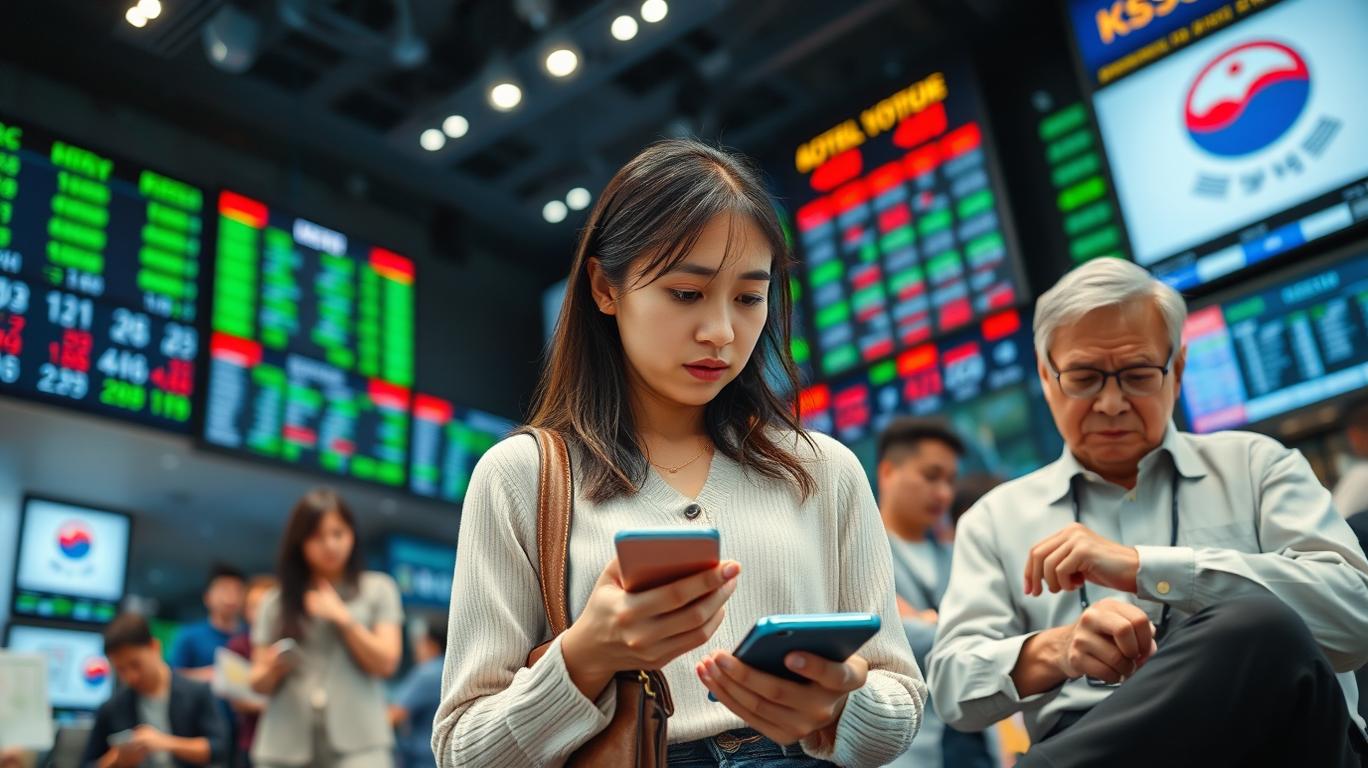
In conclusion, South Korea's political crisis has created a challenging environment for international investors. The 'Korean Discount' has been accentuated, and political uncertainty is weighing heavily on the market. As investors assess the long-term impact and potential opportunities, a strategic and cautious approach will be crucial.
JIII--
South Korea's political landscape has been roiled by President Yoon Suk Yeol's surprise declaration of martial law, which was swiftly rejected by parliament. This unexpected move has sent shockwaves through the markets, with the won hitting a two-year low and the Kospi Index plummeting nearly 2%. As the dust settles, international investors are grappling with the fallout and reassessing their exposure to Korean assets.
The 'Korean Discount', an elevated risk premium on Korean assets, has been a persistent concern for investors. The martial law episode has accentuated this discount, making foreign investors even more risk-averse. Fund managers like Sat Duhra of Janus Henderson and Daniel Tan of Grasshopper Asset Management have expressed caution, warning of increased uncertainty and a lack of won stability.
South Korean equities, led by the KOSPI benchmark, have been trading at a significant discount to other emerging markets. The martial law crisis may exacerbate this discount in the long term, impacting the attractiveness of Korean equities and potentially bonds and currency. However, the government and Bank of Korea's commitment to 'unlimited liquidity' could help mitigate this discount.
International investors are viewing South Korea's political stability with increased skepticism post the martial law episode. The decision-making clarity and rule of law have been called into question, raising concerns about the country's macroeconomic outlook. A delayed impeachment process and leadership change could exacerbate economic uncertainty, impacting the won and equities, and discouraging foreign direct investment.
As investors navigate this political storm, a balanced portfolio approach may be the key to weathering the uncertainty. Combining growth and value stocks, and favoring under-owned sectors like energy, could present opportunities in the face of market volatility. However, investors should remain vigilant and monitor developments closely.
In conclusion, South Korea's political crisis has created a challenging environment for international investors. The 'Korean Discount' has been accentuated, and political uncertainty is weighing heavily on the market. As investors assess the long-term impact and potential opportunities, a strategic and cautious approach will be crucial.

Divulgación editorial y transparencia de la IA: Ainvest News utiliza tecnología avanzada de Modelos de Lenguaje Largo (LLM) para sintetizar y analizar datos de mercado en tiempo real. Para garantizar los más altos estándares de integridad, cada artículo se somete a un riguroso proceso de verificación con participación humana.
Mientras la IA asiste en el procesamiento de datos y la redacción inicial, un miembro editorial profesional de Ainvest revisa, verifica y aprueba de forma independiente todo el contenido para garantizar su precisión y cumplimiento con los estándares editoriales de Ainvest Fintech Inc. Esta supervisión humana está diseñada para mitigar las alucinaciones de la IA y garantizar el contexto financiero.
Advertencia sobre inversiones: Este contenido se proporciona únicamente con fines informativos y no constituye asesoramiento profesional de inversión, legal o financiero. Los mercados conllevan riesgos inherentes. Se recomienda a los usuarios que realicen una investigación independiente o consulten a un asesor financiero certificado antes de tomar cualquier decisión. Ainvest Fintech Inc. se exime de toda responsabilidad por las acciones tomadas con base en esta información. ¿Encontró un error? Reportar un problema


SOBRE NOSOTROS
Nuestra historiaAutores de noticiasBase de conocimientosPolítica de privacidadTérmino de usoDescargo de responsabilidad de corretaje de tercerosTérminos de uso de AIMEDivulgaciones de riesgos de AInvest AICarrerasCONTÁCTENOS
Email: support@ainvest.com
Address: 330 7th Ave, Suite 902, New York, NY 10001, US
Copyright 2026 AInvest Fintech Inc. All rights reserved.


Comentarios
Aún no hay comentarios