
South Korea's Inflation Surprise: A Closer Look at November's Figures
Generado por agente de IAEli Grant
lunes, 2 de diciembre de 2024, 6:23 pm ET1 min de lectura
South Korea's inflation rate climbed to 1.5% in November, a 45-month high, but missed market expectations of 1.7%. This modest increase, driven by a weakening Korean won and slowing exports, reflects a complex interplay of economic factors shaping the country's inflation dynamics.
The Bank of Korea (BOK) attributed the rise in inflation to import prices and a decline in global oil prices. The Korean won depreciated against the US dollar, increasing the cost of importing goods and driving up prices. Additionally, the BOK's back-to-back rate cuts in October and November may have exacerbated the won's depreciation, reducing the attractiveness of holding Korean assets.
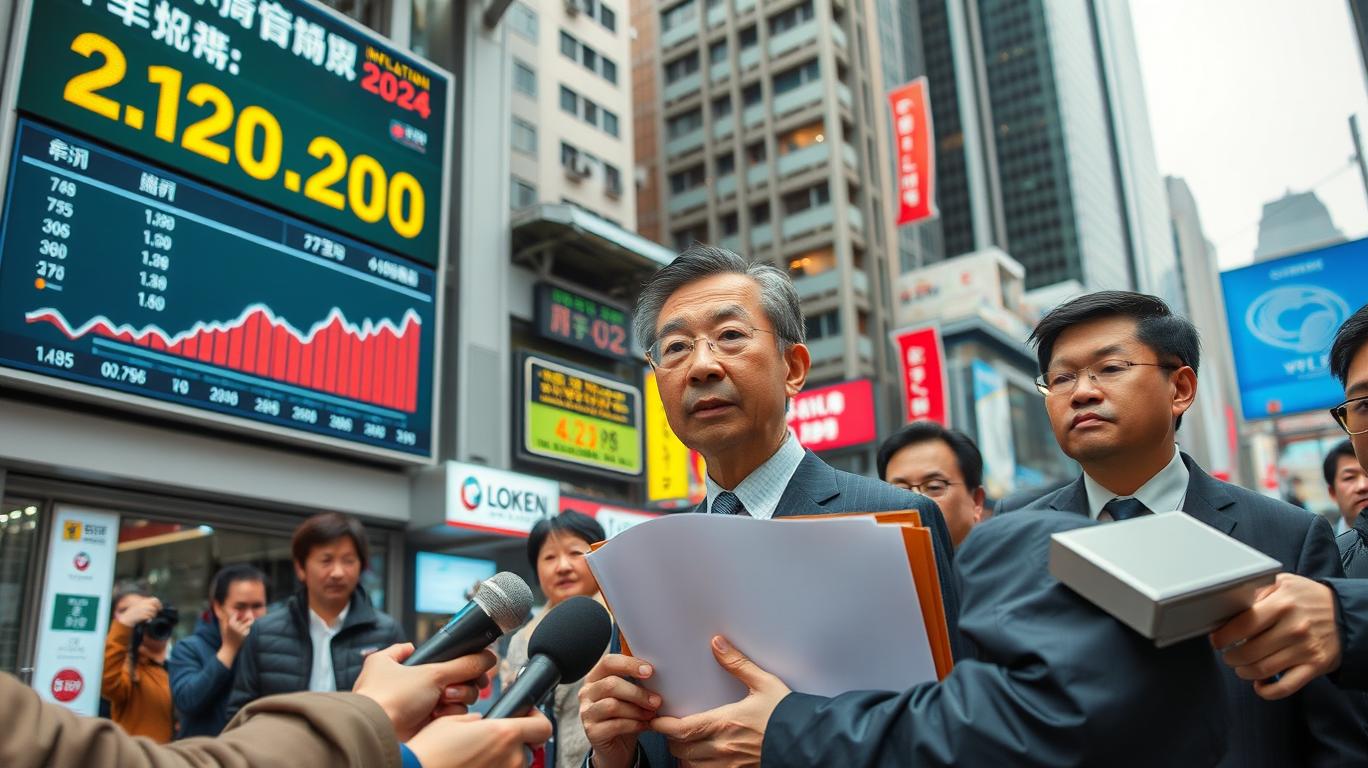
While the inflation rate climbed, it remained below the BOK's target of 2%. The central bank expects inflation to stabilize due to declining global oil prices and subdued demand pressure. However, the BOK acknowledges that the future path of inflation could be affected by movements in exchange rates, global oil prices, and domestic economic growth.
Expert opinions on South Korea's inflation outlook vary. Some analysts suggest that the recent rate cuts and currency weakness may put downward pressure on inflation, while others argue that the BOK's dovish stance could lead to further easing and potentially stimulate demand, countering the effects of a weaker won.
Investors should monitor South Korea's export trends, exchange rate movements, and global oil prices to better anticipate the country's future inflation trajectory. As the BOK continues to adjust its monetary policy, a balanced perspective on market trends and investor behavior will be crucial for navigating the evolving investment landscape.
In conclusion, South Korea's inflation rate climbed in November, but missed market expectations. The interplay of economic factors, such as a weakening Korean won, slowing exports, and the BOK's monetary policy adjustments, shapes the country's inflation dynamics. Investors should stay informed about South Korea's economic indicators and geopolitical developments to make strategic investment decisions in the face of market uncertainties.
word count: 600



Divulgación editorial y transparencia de la IA: Ainvest News utiliza tecnología avanzada de Modelos de Lenguaje Largo (LLM) para sintetizar y analizar datos de mercado en tiempo real. Para garantizar los más altos estándares de integridad, cada artículo se somete a un riguroso proceso de verificación con participación humana.
Mientras la IA asiste en el procesamiento de datos y la redacción inicial, un miembro editorial profesional de Ainvest revisa, verifica y aprueba de forma independiente todo el contenido para garantizar su precisión y cumplimiento con los estándares editoriales de Ainvest Fintech Inc. Esta supervisión humana está diseñada para mitigar las alucinaciones de la IA y garantizar el contexto financiero.
Advertencia sobre inversiones: Este contenido se proporciona únicamente con fines informativos y no constituye asesoramiento profesional de inversión, legal o financiero. Los mercados conllevan riesgos inherentes. Se recomienda a los usuarios que realicen una investigación independiente o consulten a un asesor financiero certificado antes de tomar cualquier decisión. Ainvest Fintech Inc. se exime de toda responsabilidad por las acciones tomadas con base en esta información. ¿Encontró un error? Reportar un problema


SOBRE NOSOTROS
Nuestra historiaAutores de noticiasBase de conocimientosPolítica de privacidadTérmino de usoDescargo de responsabilidad de corretaje de tercerosTérminos de uso de AIMEDivulgaciones de riesgos de AInvest AICarrerasCONTÁCTENOS
Email: support@ainvest.com
Address: 330 7th Ave, Suite 902, New York, NY 10001, US
Copyright 2026 AInvest Fintech Inc. All rights reserved.


Comentarios
Aún no hay comentarios