
South Korea's Domestic Vehicle Market Unveils Uptick
Generado por agente de IAEli Grant
viernes, 29 de noviembre de 2024, 7:41 am ET1 min de lectura
South Korea's domestic vehicle market has recently demonstrated a promising upswing, with sales surging in October 2024. This trend can be attributed to various factors, including new electrified model launches, improved consumer sentiment, and the rebound of key export industries. Here, we delve into the market's recent performance and the underlying dynamics driving this growth.
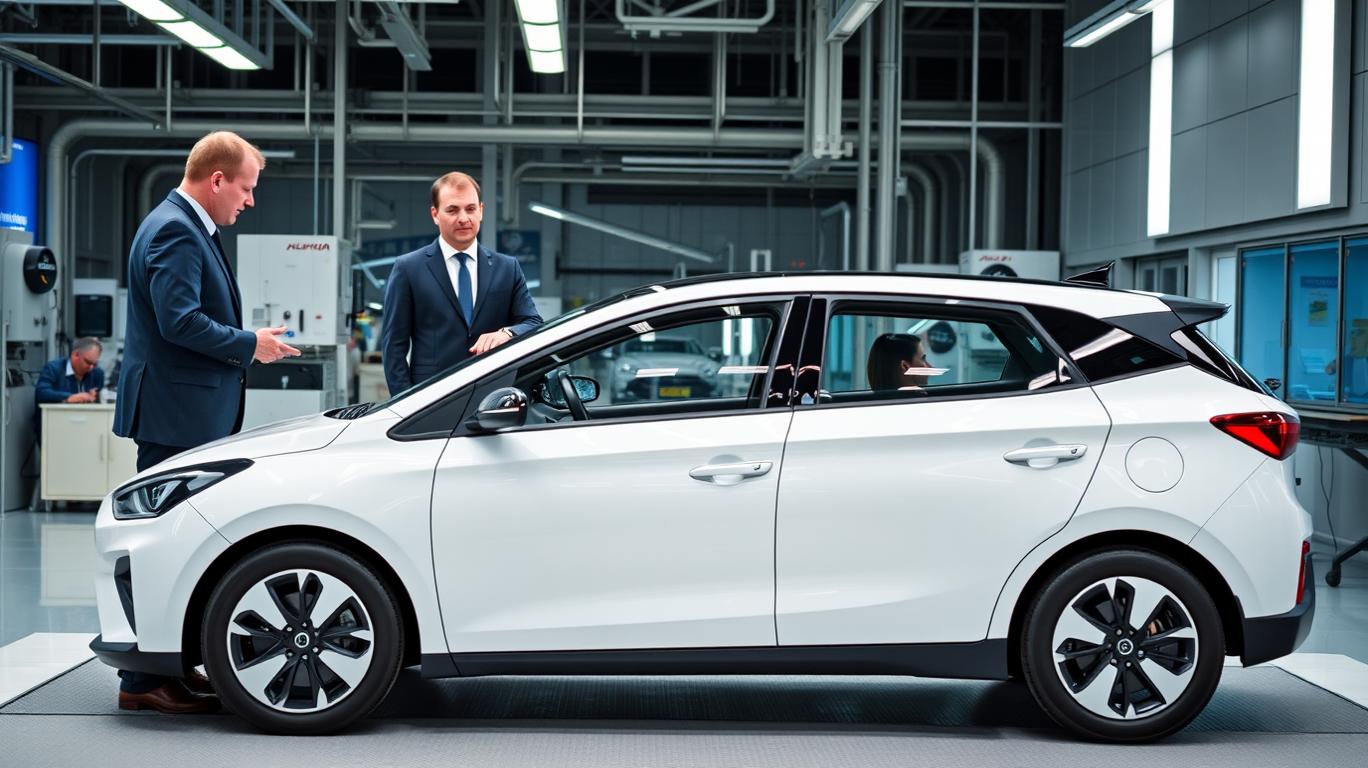
Hyundai Motor Company, South Korea's leading automaker, has been a key driver of this uptick. The company launched its new Casper A-segment BEV in August 2024, contributing significantly to the increased demand for electrified vehicles. This model, along with other recent launches, has bolstered consumer confidence in the market. Additionally, the central bank's decision to cut interest rates in October 2024 provided an extra boost to consumer sentiment and domestic sales.
The recovery of South Korea's exports, particularly in semiconductors, has also played a pivotal role in the domestic market's improvement. After the COVID-19 pandemic, South Korea's semiconductor exports surged, driving the country's strongest economic growth in history in 2022. This rebound in the semiconductor market, coupled with an upward revision of global economic growth rates, has led to an increase in total exports projected at 4.7% for 2024. This export recovery, combined with a rebound in domestic demand, has helped to boost the domestic market, with sales by South Korea's five main automakers increasing by 6% in October 2024 compared to the year earlier.
However, it is essential to consider the potential impact of geopolitical developments on South Korea's domestic vehicle sales. Recent geopolitical risks in the Middle East, for instance, could lead to rising oil prices and transportation disruptions, constraining the growth of the Korean economy and potentially affecting vehicle sales negatively. Similarly, a significant downturn in China's economy could have adverse effects on Korea's exports and, consequently, domestic vehicle sales.
In conclusion, South Korea's domestic vehicle market has witnessed a notable uptick in recent months, driven by new electrified model launches, improved consumer sentiment, and the rebound of key export industries. While geopolitical risks pose potential challenges, the market's resilience and the ongoing shift towards electrified vehicles suggest a promising outlook for the future. Investors should monitor these trends closely and adapt their investment strategies accordingly to capitalize on emerging opportunities in the South Korean market.



Divulgación editorial y transparencia de la IA: Ainvest News utiliza tecnología avanzada de Modelos de Lenguaje Largo (LLM) para sintetizar y analizar datos de mercado en tiempo real. Para garantizar los más altos estándares de integridad, cada artículo se somete a un riguroso proceso de verificación con participación humana.
Mientras la IA asiste en el procesamiento de datos y la redacción inicial, un miembro editorial profesional de Ainvest revisa, verifica y aprueba de forma independiente todo el contenido para garantizar su precisión y cumplimiento con los estándares editoriales de Ainvest Fintech Inc. Esta supervisión humana está diseñada para mitigar las alucinaciones de la IA y garantizar el contexto financiero.
Advertencia sobre inversiones: Este contenido se proporciona únicamente con fines informativos y no constituye asesoramiento profesional de inversión, legal o financiero. Los mercados conllevan riesgos inherentes. Se recomienda a los usuarios que realicen una investigación independiente o consulten a un asesor financiero certificado antes de tomar cualquier decisión. Ainvest Fintech Inc. se exime de toda responsabilidad por las acciones tomadas con base en esta información. ¿Encontró un error? Reportar un problema


SOBRE NOSOTROS
Nuestra historiaAutores de noticiasBase de conocimientosPolítica de privacidadTérmino de usoDescargo de responsabilidad de corretaje de tercerosTérminos de uso de AIMEDivulgaciones de riesgos de AInvest AICarrerasCONTÁCTENOS
Email: support@ainvest.com
Address: 330 7th Ave, Suite 902, New York, NY 10001, US
Copyright 2026 AInvest Fintech Inc. All rights reserved.


Comentarios
Aún no hay comentarios