
South Korea to Require Stablecoin Issuers to Be Bank-Controlled, With Paid-in Capital of at Least KRW 5 Billion
South Korea will require stablecoin issuers to be controlled by licensed banks and to maintain a minimum paid-in capital of at least KRW 5 billion. This move is part of broader efforts to tighten oversight of the digital asset sector.
The decision comes as the country grapples with outflows of $110 billion in crypto assets to foreign exchanges in 2025, driven by domestic regulatory restrictions and delays in implementing the Digital Asset Basic Act.
Regulators have been cautious in finalizing rules for stablecoins, citing concerns over systemic risks and consumer protection. 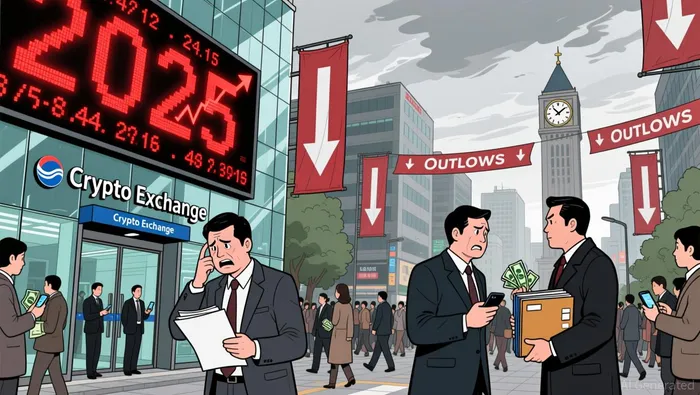 . The new capital requirement is intended to ensure that stablecoin issuers have sufficient financial resources to back their tokens.
Why the Move Happened
South Korea's digital asset market has seen increased scrutiny in recent years. In 2025, the country experienced significant outflows as investors moved assets to offshore platforms that offered more flexible trading products according to reports.
The regulatory environment has remained in fluxFLUX-- due to disagreements over the oversight of stablecoins and delays in passing the Digital Asset Basic Act. The Virtual Asset User Protection Act, introduced in 2024, did not address key structural issues like derivatives or leverage trading.
These gaps in regulation have encouraged investors to seek alternatives abroad. The requirement for bank control and higher capital reserves is aimed at closing such loopholes.
How Markets Responded
The announcement has been met with mixed reactions from market participants. Some industry observers see it as a necessary step to ensure financial stability, while others argue it could further push innovation to more flexible jurisdictions.
The requirement for bank-backed stablecoin issuers may reduce the number of new entrants in the sector but could also increase the credibility of existing players. It aligns with global trends where regulators are imposing stricter capital and governance rules on stablecoin providers.
South Korean regulators have also signaled a broader overhaul of the crypto market, including potential licensing requirements for exchanges and enhanced anti-money laundering measures.
What Investors Should Watch
Investors are advised to monitor the timeline for implementation of the new rules, as well as any changes to the broader regulatory framework in 2026.
The move may influence the trajectory of stablecoin adoption in South Korea. If the regulations are too onerous, it could further drive capital to offshore markets or encourage the development of alternative financial instruments.
Regulatory developments in South Korea are also being watched closely in other jurisdictions, particularly in Asia, where stablecoin activity continues to grow.
Analysts suggest that the effectiveness of the new rules will depend on how they are enforced and whether they address the core concerns of both regulators and market participants.
Global Regulatory Trends
South Korea's move reflects a broader trend of tightening stablecoin oversight worldwide. In December 2025, Hong Kong lawmakers advanced a stablecoin regulatory bill, expected to become law in 2026.
The UK and EU also implemented the Crypto-Asset Reporting Framework in 2026, which standardizes data collection for tax reporting purposes. China has shifted focus to its digital yuan initiative.
These global efforts signal a growing consensus among regulators to impose stricter rules on stablecoin issuance and usage.
What's Next for South Korea's Crypto Market
The digital asset sector in South Korea is at a crossroads. The government aims to strike a balance between fostering innovation and ensuring financial stability.
With the new stablecoin requirements in place, the focus will shift to how market participants adapt. Some firms may seek to consolidate or partner with banks to comply with the rules, while others may explore expansion into less regulated markets.
For now, the market remains in a period of adjustment. Investors should closely monitor regulatory updates and market responses as the year unfolds.







Comentarios
Aún no hay comentarios