
South Korea Prepares for Trade War, Seeks U.S. Negotiations
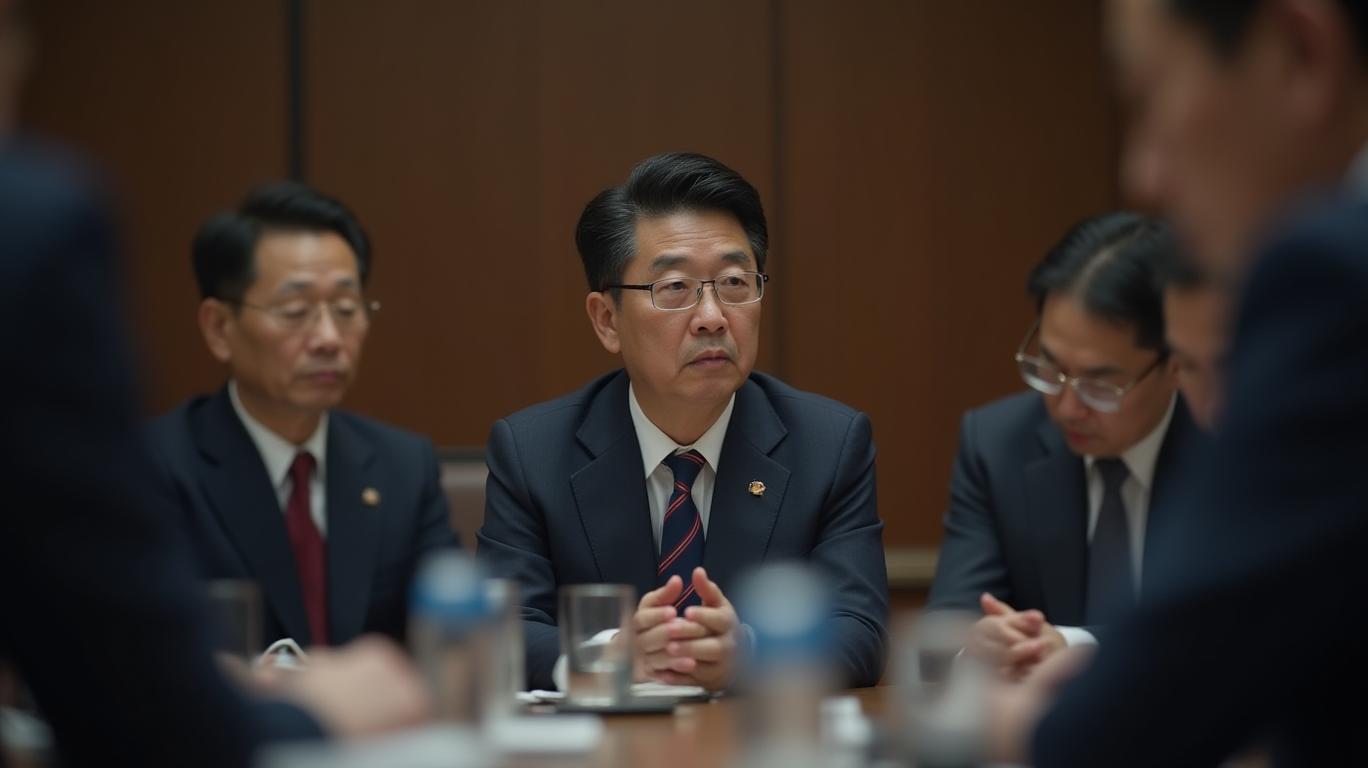
Acting President of South Korea, Han Deok-soo, convened an emergency economic meeting in response to the U.S. President Donald Trump's announcement of additional tariffs on trading partners. Han Deok-soo characterized the situation as "extremely grave," acknowledging the reality of a global trade war and calling for united efforts to overcome the crisis. He tasked relevant ministries with analyzing the potential impact of the tariffs and engaging in active negotiations with the U.S. to minimize economic damage. Additionally, Han Deok-soo directed the government to prepare emergency support measures for affected industries.
The emergency meeting delved into the specifics of the U.S. tariff measures, with a particular focus on sectors such as automobiles, which are expected to face significant impacts. Han Deok-soo instructed the industry ministry to collaborate closely with businesses to assess the implications of the tariffs and explore strategies to mitigate the economic fallout. The Acting President's call for unityU-- and decisive action is timely, as the U.S. has announced plans for retaliatory tariffs on various goods. The South Korean government aims to protect its economic interests while maintaining diplomatic relations with the U.S. The emergency meeting emphasized the need for a coordinated response from both the public and private sectors to address the challenges posed by the trade dispute.
The situation underscores the broader geopolitical tensions between the U.S. and its trading partners, as both sides seek to assert their economic interests. The outcome of these negotiations will have significant implications for global trade and the economic stability of the countries involved. As the trade war escalates, South Korea is taking proactive steps to safeguard its economy and ensure that its industries remain competitive in the face of new challenges. The government's response reflects a commitment to navigating the complexities of the trade dispute while prioritizing the well-being of its industries and the broader economy.







Comentarios
Aún no hay comentarios