
South Korea's Constitutional Court Upholds Impeachment of President Yoon Suk Yeol
South Korea is on the brink of a significant political transition as the Constitutional Court has unanimously upheld the impeachment of President Yoon Suk Yeol. This decision, following a protracted legal process, concludes Yoon's presidency, which began in 2022 after a narrow electoral victory over his liberal opponent. The court's ruling, with all eight justices in agreement, sets the stage for a new presidential election within the next 60 days.
Yoon's tenure was fraught with controversy, particularly due to his declaration of martial law in December. This move, which involved the deployment of special forces to seize control of the National Assembly and the National Election Commission, was widely condemned as an excessive use of executive power. Critics viewed it as an attempt to stifle political opposition and control the media, further exacerbating public discontent.
With the impeachment upheld, Acting President Han Duck-soo will continue to serve until a new president is elected. The upcoming election is anticipated to draw significant attention, both within South Korea and internationally, as the country navigates a period of political instability. Historically, South Korea has seen four of its eight presidents since the transition to democracy in 1987 either imprisoned or impeached, underscoring the volatility of its political landscape.
Yoon's impeachment has ignited a broader discussion about the need for constitutional reform in South Korea. Many argue that the current system grants the president too much power, necessitating stronger checks and balances to prevent future abuses of executive authority. The fact that Yoon is the second conservative president to face impeachment in recent years has intensified this debate.
The court's decision also raises questions about the future of South Korea's political system. The constitution allows lawmakers to hold Cabinet positions without relinquishing their seats in the National Assembly, a practice that some believe weakens the legislature's ability to act as a check on executive power. The forthcoming election will serve as a test of the country's democratic institutions, as voters balance the need for stability with the desire for change.
Yoon's impeachment has also brought to light the deep political divisions within South Korea. The country's conservative and liberal factions have long been at odds, each accusing the other of undermining democratic institutions. The upcoming election is expected to be a fiercely contested battle between these two factions, with each side vying for control of the presidency and the direction of the country.
The court's decision to uphold Yoon Suk Yeol's impeachment marks a pivotal moment in South Korea's political history. As the country prepares to elect a new president and address the challenges of constitutional reform, it enters a new era of political uncertainty. The outcome of the election will have far-reaching implications for South Korea's future, both domestically and on the global stage. 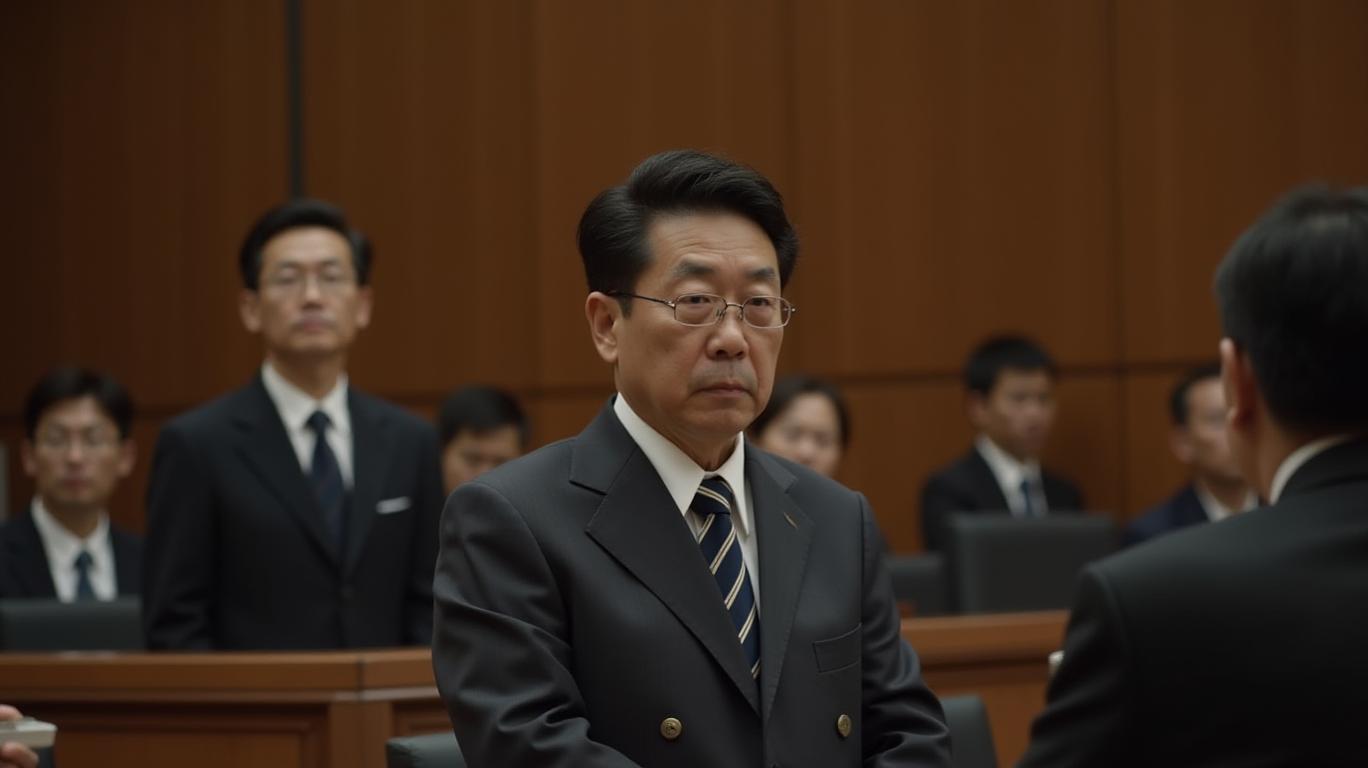







Comentarios
Aún no hay comentarios