
South African Rand Gains Ground as VAT Hike Withdrawal Eases Fiscal Pressure
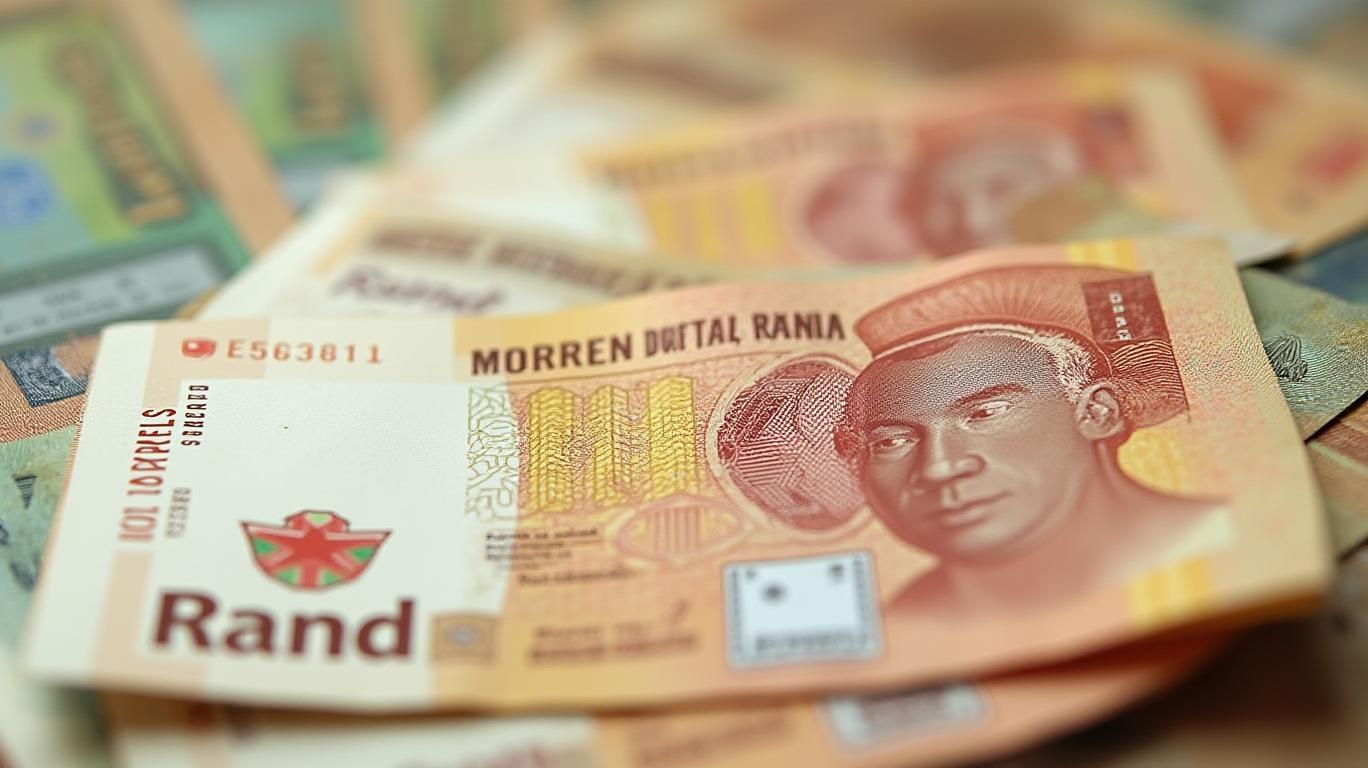
The South African randRAND-- (ZAR) edged higher against the U.S. dollar in early May 2025 following the government’s abrupt cancellation of a planned value-added tax (VAT) increase, a decision that underscored the fragility of fiscal policy in one of Africa’s largest economies. The reversal of the 1 percentage point VAT hike—from 15% to 16% over two years—marked a retreat from earlier austerity measures, offering near-term relief to households and businesses but raising concerns about long-term fiscal sustainability.
The VAT Policy Reversal: A Political and Economic Pivot
The VAT cancellation, announced on April 24, 2025, came after weeks of political infighting within South Africa’s ruling coalition. The African National Congress (ANC) had initially proposed the tax hike in its 2025 budget to plug a widening fiscal gap, but fierce opposition from labor unions, opposition parties, and even within the ANC itself forced the government to backtrack. The decision to maintain the VAT at 15% resolved immediate market uncertainty but left a projected 75 billion rand ($4.02 billion) revenue shortfall over the medium term, per S&P Global estimates.
The move underscored the challenges of implementing fiscal reforms in a country grappling with high unemployment (around 34% as of late 2024), persistent inflation (averaging 6.2% in 2024), and a legacy of underfunded public services.
Market Reaction: Rand Gains Amid Policy Clarity
The rand’s appreciation—driven by the VAT cancellation—reflected investor relief over the removal of a near-term economic drag. Prior to the announcement, the ZAR had dipped as political wrangling over the tax hike fueled uncertainty. However, once the hike was scrapped, the currency rebounded, with the ZAR/USD exchange rate improving from around 18.90 to 18.50 in the days following the April 24 decision.
Analysts noted the rand’s gains aligned with broader emerging market trends, as investors rotated into riskier assets amid easing U.S. dollar strength. However, the VAT policy shift was a key catalyst. “Canceling the tax increase reduced immediate pressure on consumer spending, which is critical for South Africa’s growth trajectory,” said a Johannesburg-based economist.
Risks Lurking in the Fiscal Cloud
While the VAT reversal provided short-term relief, the 75 billion rand revenue loss has forced the government to seek alternatives to stabilize public finances. The finance ministry has already signaled plans to cut non-essential spending and delay infrastructure projects, which could dampen economic activity in the medium term.
Moreover, South Africa’s fiscal deficit is projected to widen to 6.3% of GDP in 2025, up from 5.7% in 2024, according to the National Treasury. This raises the specter of further rating downgrades by agencies like Moody’s and Fitch, which could increase borrowing costs and pressure the rand.
Comparisons to Precedent: Volatility Ahead?
Historically, South Africa’s currency has been highly sensitive to fiscal and political developments. For instance, in 2019, the rand plunged 15% against the dollar amid a liquidity crisis and leadership turmoil. While the current VAT reversal lacks such acute triggers, the ZAR’s gains remain vulnerable to external factors like Fed policy and commodity prices (South Africa is a major exporter of gold and platinum).
Conclusion: A Delicate Balancing Act
The VAT cancellation has offered a modest reprieve for the rand and households, but the currency’s long-term trajectory hinges on whether the government can manage its fiscal hole without stifling growth. With debt at 74% of GDP and inflation risks lingering, investors should remain cautious.
In the near term, the rand’s appreciation to 18.60 per USD reflects reduced near-term economic drag, but the path ahead is fraught. As one analyst summed it up: “The VAT U-turn is a victory for short-term stability but a challenge for long-term solvency.” For investors, South Africa’s story remains one of cautious optimism—balanced with a wary eye on fiscal discipline.







Comentarios
Aún no hay comentarios