
South African Markets: Navigating Geopolitical Tensions and Energy Transition Catalysts
The ongoing Israel-Iran conflict has injected heightened volatility into global energy markets, creating both risks and opportunities for South Africa—a key supplier of platinum group metalsPLG-- (PGMs) and a growing player in renewable energy. As the world grapples with supply chain disruptions and inflationary pressures, South African markets are proving resilient, driven by strategic commodities and infrastructure projects. Investors must navigate near-term geopolitical headwinds while positioning for long-term gains in the energy transition. Here's how to approach this complex landscape.
Geopolitical Risks: A Double-Edged Sword for South Africa
The Israel-Iran conflict has sent Brent crude prices soaring to $74.60/barrel, with fears of a potential $100/barrel spike if the Strait of Hormuz is blocked—a chokepoint for 21 million barrels of oil daily. While this volatility poses risks for South Africa, which relies on imported fossil fuels, it also highlights the nation's strategic advantage as a producer of PGMs—a critical component for catalytic converters, hydrogen fuel cells, and battery technologies.
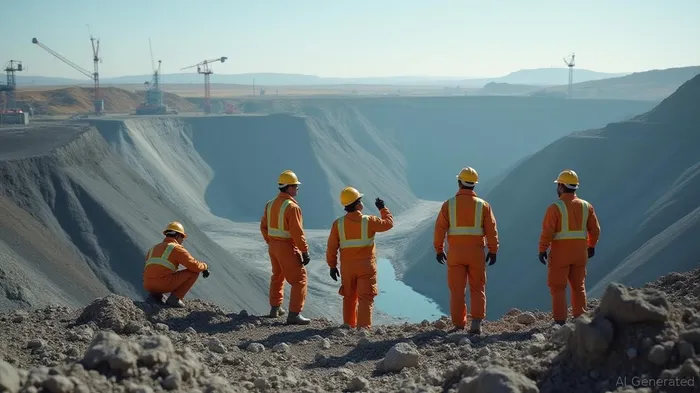
Near-term risks include:
1. Input cost pressures: Higher oil prices could strain South Africa's already fragile economy, exacerbating inflation and fiscal deficits.
2. Supply chain disruptions: Regional instability might delay exports of PGMs and refined metals, though South Africa's diversified mining infrastructure provides some buffer.
Southern Palladium (a JSE-listed PGM producer) has historically tracked platinum prices closely. Investors should monitor geopolitical developments and PGM demand trends in EV and hydrogen sectors.
Energy Transition: A Long-Term Catalyst for Growth
South Africa's energy landscape is undergoing a seismic shift. The government's push to modernize infrastructure and reduce reliance on coal has created opportunities for firms like Pele Green Energy, which develops solar and wind projects, and Transnet, the critical logistics operator. The upcoming Africa Energy Forum (July 2025) will amplify investor focus on renewables and transmission upgrades, which are central to achieving energy security.
South Africa's energy sector has outperformed broader emerging markets, reflecting investor confidence in its transition to cleaner energy and grid modernization.
Key opportunities include:
1. PGM demand: The rise of electric vehicles and hydrogen economies will sustain PGM prices, benefiting miners like Anglo American Platinum (now Valterra Platinum) and Impala Platinum, provided they manage operational risks (e.g., flooding, labor strikes).
2. Renewables and grid infrastructure: Projects like Pele's solar farms and transmission upgrades are critical to reducing load-shedding and attracting green investments.
The JSE: A Resilient Hub Amid Global Uncertainty
The Johannesburg Stock Exchange (JSE) has demonstrated resilience despite global headwinds. Its energy and mining sectors, weighted toward PGMs and renewables, offer diversification benefits. Investors should prioritize firms with:
- Strong balance sheets: To withstand commodity price swings and geopolitical shocks.
- Exposure to critical infrastructure: Firms tied to grid modernization (e.g., Power Assets Holdings) or PGM exports.
- ESG credentials: Aligning with global decarbonization trends and unlocking green financing.
Investment Recommendations: Selective Exposure, Prudent Hedging
- Long PGM miners with operational stability:
- Southern Palladium: Focus on its PGM reserves and cost discipline.
Valterra Platinum: Benefit from its global listings and strategic mine upgrades.
Green infrastructure plays:
- Pele Green Energy: Leverage its pipeline of solar projects and partnerships with international investors.
Transnet: As a logistics backbone for energy and mining exports.
Hedge against oil volatility:
Use ETFs like USO (short-term oil futures) to offset potential inflation spikes from Middle East instability.
Avoid overexposure to pure-play fossil fuels: South Africa's coal-heavy utilities (e.g., Eskom) remain vulnerable to regulatory shifts and load-shedding risks.
Conclusion
South African markets are at a crossroads—geopolitical turbulence creates short-term uncertainty, but the energy transition offers a clear path to long-term growth. Investors should focus on firms with exposure to PGMs and renewables, while hedging against oil-driven inflation. The Africa Energy Forum will be a pivotal moment to gauge momentum in green investments. As always, patience and selectivity will reward those navigating this dynamic landscape.
The JSE's divergence from broader emerging markets reflects its unique exposure to commodities and energy transition themes.





Comentarios
Aún no hay comentarios