
SoundHound AI's Governance Crisis: A Wake-Up Call for Tech Investors
The recent class action lawsuit against SoundHound AISOUN-- (NASDAQ: SOUN) has exposed a glaring governance failure that could redefine how investors assess risk in tech firms. Allegations of material weaknesses in internal controls, inflated financial metrics, and delayed SEC filings have sparked a reckoning over corporate accountability. For shareholders, this is not just a legal battle—it's a stark warning about the fragility of valuations in an era where innovation often outpaces oversight.
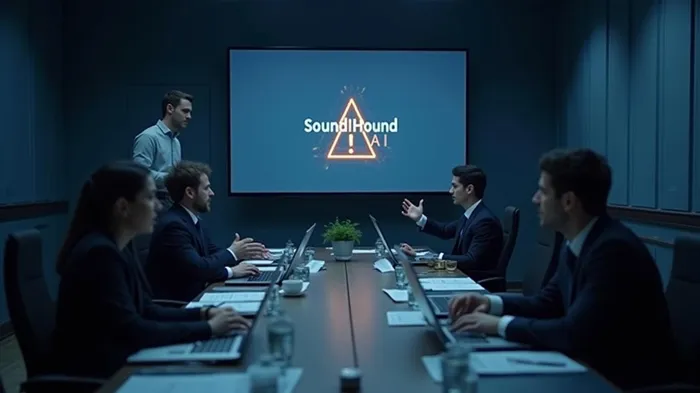
The Governance Breakdown: A Recipe for Disaster
The lawsuit, filed after SoundHound disclosed a $9.3 million goodwill overstatement tied to its Amelia Holdings acquisition, reveals systemic governance flaws. Key issues include:
1. Material Weaknesses in Financial Controls: The company allegedly failed to properly account for complex acquisitions, leaving its financial reporting riddled with errors.
2. Misleading Remediation Claims: Despite acknowledging control deficiencies, executives allegedly assured investors of progress that did not exist.
3. SEC Filing Delays: The March 4, 2025, admission that it could not file its 2024 10-K on time—a direct consequence of these failures—triggered a 5.86% stock plunge.
These failures signal a culture of overconfidence, where rapid growth outpaced governance. For tech firms, this is a cautionary tale: without robust internal controls, even the most promising innovations can unravel under scrutiny.
Legal Implications: A Window for Shareholder Recovery
Investors who purchased SOUN shares between May 10, 2024, and March 3, 2025, face a critical deadline: May 27, 2025, to join as lead plaintiff in the lawsuit. The case, grounded in Sections 10(b) and 20(a) of the Securities Exchange Act, seeks to recover losses from alleged fraud.
The stakes are high. If successful, the litigation could force SoundHound to compensate shareholders for the $9.3 million goodwill misstatement and the stock's post-disclosure decline. Even partial recovery would mitigate losses for those who held during the Class Period. For those still invested, the lawsuit's outcome could also reshape valuation expectations—if governance issues persist, the stock may remain under pressure indefinitely.
Systemic Risks in Tech: When Growth Outpaces Governance
SoundHound's case is not an outlier. The tech sector's rapid pace of mergers, acquisitions, and innovation often creates environments where oversight is an afterthought. Consider the parallels to WeWork's pre-IPO governance failures or Theranos' fraud—both cases where investor trust eroded due to foundational mismanagement.
For investors, this underscores a critical lesson: tech valuations are only as strong as the governance structures supporting them. Companies like SoundHound, which prioritized deal-making over financial rigor, are setting themselves up for collapse. The lawsuit's focus on internal controls and disclosure failures should prompt investors to ask harder questions:
- How transparent is management about accounting practices?
- Are acquisitions vetted for compliance risks?
- What safeguards exist to prevent material weaknesses from escalating?
Regulatory Scrutiny: A New Era of Accountability
The SEC's delayed 10-K filing demand and the subsequent lawsuit highlight regulators' growing focus on governance in fast-growing industries. For SoundHound, the March 2025 filing delay was a red flag—one that could lead to heightened scrutiny or penalties down the line.
This case also serves as a test for the SEC's ability to enforce accountability in a sector often shielded by its “disruptive” narrative. Investors should take note: firms that cut corners on controls may face not just legal consequences but also a permanent hit to their “innovation premium.”
The Bottom Line: Act Now or Pay Later
For shareholders of SoundHound AI, inaction is no longer an option. The May 27 deadline to join the lawsuit is a lifeline—a chance to recover losses and send a message that governance failures will not go unpunished. Even if you're not a Class Period investor, SoundHound's struggles should prompt broader due diligence:
- Divest if governance remains compromised: Persistent control deficiencies could lead to further restatements or regulatory penalties.
- Demand transparency: Push for detailed disclosures on internal controls, especially around acquisitions.
- Support legal actions: If the lawsuit succeeds, it sets a precedent for holding tech firms accountable—a win for market integrity.
Final Call to Action
SoundHound's crisis is a wake-up call. Investors must treat governance as the cornerstone of valuation—not an afterthought. For those holding SOUN, act by May 27 to secure recovery rights. For all others, this case is a reminder: in the tech sector, innovation without accountability is a recipe for disaster. The market is watching—and it won't forgive forever.
This article is for informational purposes only. Consult a financial advisor before making investment decisions.





Comentarios
Aún no hay comentarios