
Solar Storm in the UK: Can GB Energy Navigate Forced Labor Headwinds and Still Shine?
The UK’s push for renewable energy just hit a major snag—and investors, take note: this could reshape the solar industry overnight. Great British Energy (GB Energy), the government’s flagship renewable initiative, now faces a moral reckoning. The proposed regulatory changes to block its use of solar panels linked to forced labor in China aren’t just about ethics—they’re a red alert for investors in energy stocks. Let’s dive into the fire.
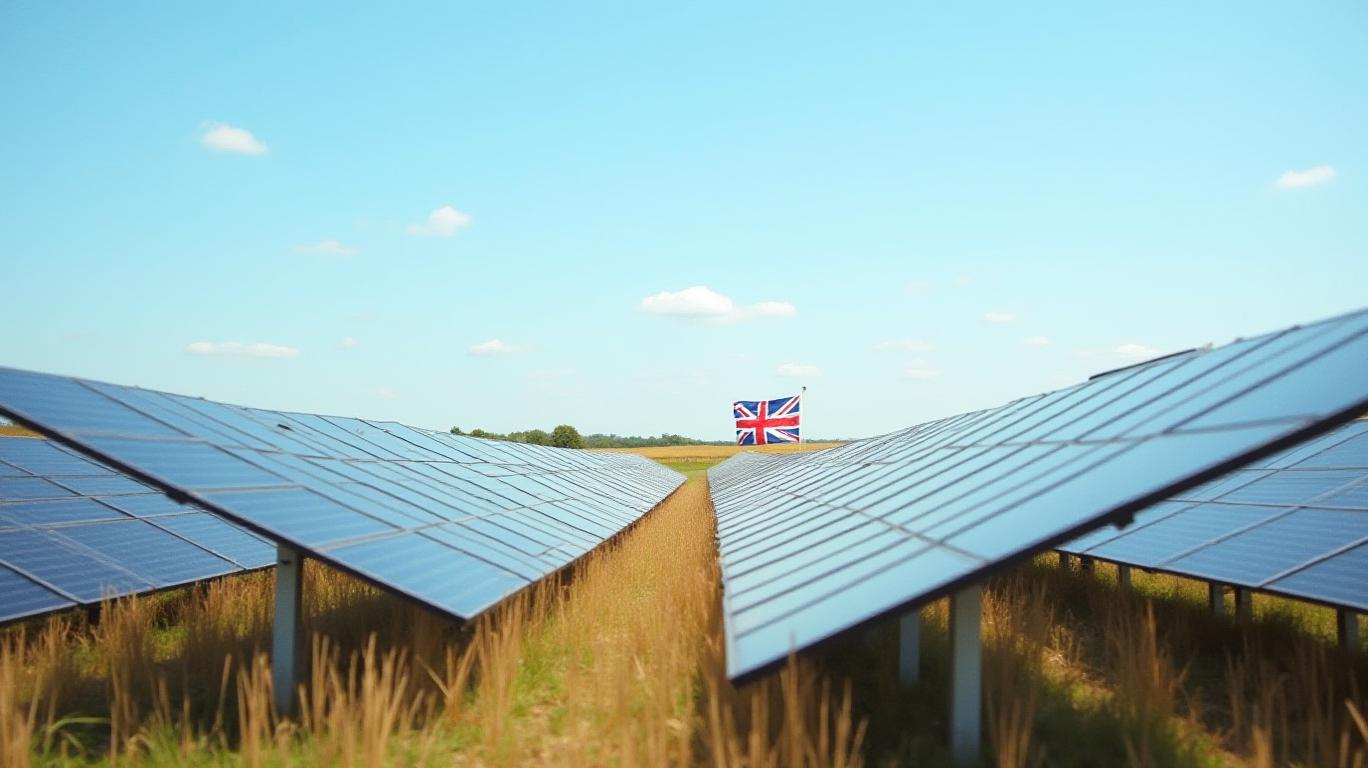
The Forced Labor Issue: A Global Solar Supply Chain Quagmire
The UK is in a bind. Over 80% of the world’s polysilicon—a critical component of solar panels—is produced in China, with a staggering 90% of that coming from Xinjiang, where forced labor allegations involving Uyghur Muslims have sparked international outrage. Research by Sheffield Hallam University and U.S. sanctions confirm the link between Chinese polysilicon giants and these abuses.
The UK imports $14.8 billion in solar panels annually, most from China. Yet current laws like the Modern Slavery Act lack teeth to enforce ethical sourcing. The U.S. has already banned imports from companies tied to Xinjiang, but the UK lags behind—until now.
The Proposed Regulations: A Double-Edged Sword for GB Energy
The government is pushing amendments to the Great British Energy Bill to ensure GB Energy’s supply chains are free of forced labor. Cross-party peers have proposed Amendment 18, which could cut public funding to GB EnergyGB-- if it uses tainted panels. This is a big deal: GB Energy’s £200 million solar initiative for hospitals and schools is already in the pipeline.
But here’s the rub: If the UK abruptly pivots away from Chinese panels, it risks slowing its 2050 net-zero targets.
The Risks and Opportunities: A Solar Investor’s Playbook
- The Losers: Chinese polysilicon giants like大全新能源 (DQ) could see demand collapse if UK bans materialize. Their stock has already dipped 18% this year amid U.S. sanctions—a preview of what’s to come.
- The Winners: Companies with squeaky-clean supply chains will thrive. First Solar (FSLR), which uses U.S.-made thin-film panels, and European firms like wpd (which acquired REC Silicon) are suddenly in pole position.
- The Wildcard: The UK’s own solar manufacturing sector is a fledgling. To avoid delays, GB Energy may have to partner with European suppliers or invest in本土 polysilicon production—a risky, capital-heavy bet.
The Bottom Line: Follow the Ethical Solar Trail
This isn’t just about the UK—it’s a global pivot. The EU’s proposed Corporate Sustainability Due Diligence Directive and the U.S. Uyghur Forced Labor Prevention Act are paving the way for stricter supply chain rules. Investors should ask: Who can deliver solar at scale without blood on their panels?
The data is clear: 70% of cobalt (a key battery mineral) and 90% of polysilicon still come from high-risk regions. But the writing is on the wall. Companies that embrace transparency and ethical sourcing—like First Solar or European polysilicon makers—will dominate this new era.
Action Alert: If you’re in solar stocks, dump the Chinese laggards and buy the ethical front-runners. The UK’s forced labor crackdown isn’t just a regulatory storm—it’s a tsunami. Ride the wave, or get washed out.
In the end, the UK’s solar dream can still shine—but only if it’s built on sunlight, not shadows.
Conclusion: With $14.8 billion in annual solar imports at risk and global regulations tightening, the UK’s proposed changes are a wake-up call for the industry. Investors must prioritize companies with traceable supply chains or face obsolescence. While polysilicon giants like大全新能源 (DQ) may falter, ethical players like First Solar (FSLR) and European manufacturers could soar. The clock is ticking—act fast, or risk being left in the dark.







Comentarios
Aún no hay comentarios