
US Solar's Hoarding Habit Will Help Blunt Sting From Trump Tariffs
Generado por agente de IACyrus Cole
sábado, 5 de abril de 2025, 10:25 am ET2 min de lectura
The US solar industry is bracing for the impact of President Trump's new tariffs, but a surge in domestic manufacturing capacity could help mitigate the blow. In 2024, the US installed a record-breaking 50 gigawatts (GW) of new solar capacity, with domestic module manufacturing capacity growing by an unprecedented 190% year-over-year. This rapid expansion, particularly in the South, has positioned the US to be less reliant on imports from countries affected by the tariffs.
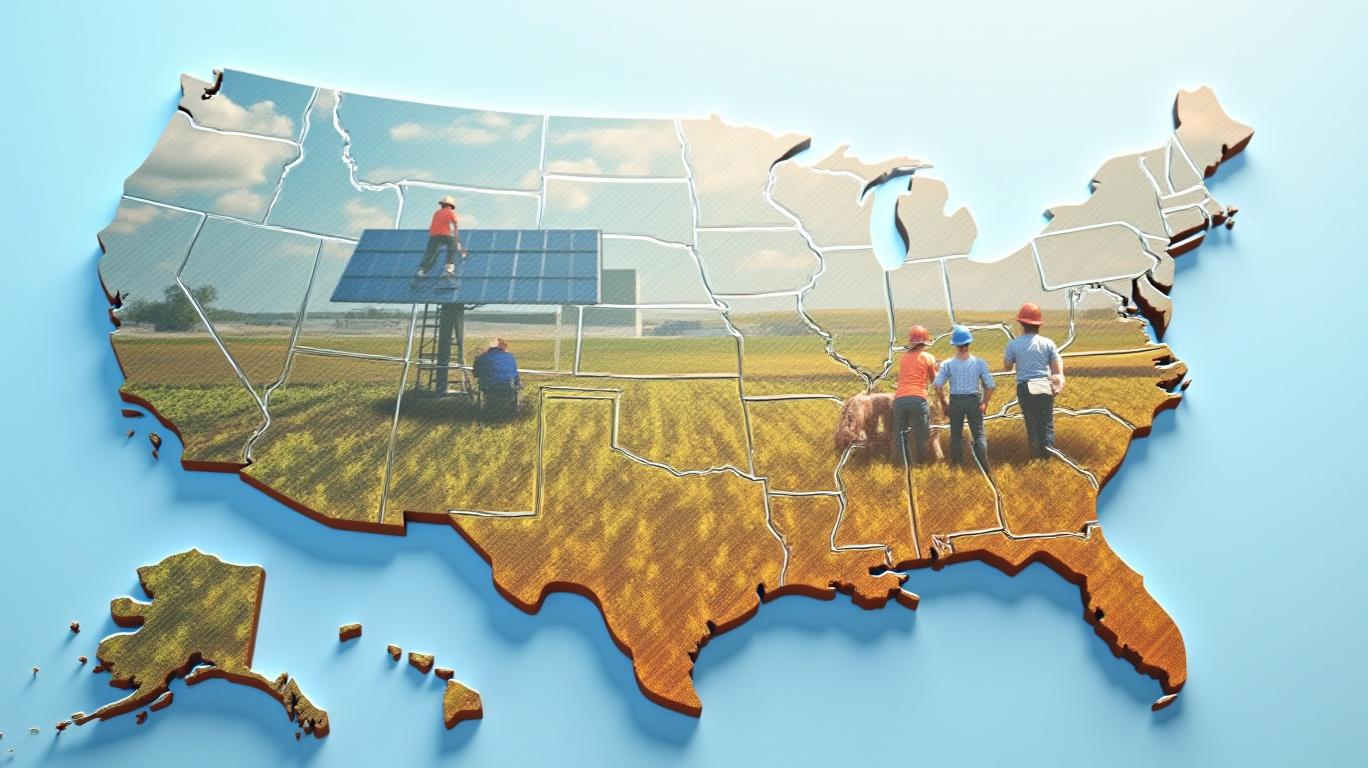
The tariffs, which include a 46% levy on products from Vietnam and a 49% levy on products from Cambodia, are expected to increase the cost of solar cells and modules. However, the US has established around 50 GW of PV module manufacturing capacity, which can help insulate the industry from price increases and supply chain disruptions. For instance, Texas and Georgia alone have 8.6 GW and 8.4 GW of capacity, respectively. This domestic production can help stabilize prices and make solar projects more predictable and cost-effective.
The tariffs may also force US companies to seek alternative suppliers or relocate their supply chains to regions with lower tariffs. For example, the US has established around 50 GW of PV module manufacturing capacity, but the components needed to supply these factories, including cells, are still mostly imported from Southeast Asia. With the imposition of tariffs, there may be a shift towards sourcing components from other regions, such as India, which has a comparatively low premium on importing to the US. This could lead to a more diversified and resilient supply chain in the long term.
The tariffs are intended to support domestic manufacturing by making imports more expensive. However, the effectiveness of this strategy depends on the ability of US manufacturers to ramp up production quickly. The recent growth in domestic manufacturing capacity, from 14.5 GW at the end of 2023 to 42.1 GW at the end of 2024, indicates that the US has the potential to become more self-sufficient. However, the tariffs may also create challenges for domestic manufacturers, such as increased competition from other regions and the need to invest in new technologies and infrastructure.
The tariffs have already led to job losses and a decrease in investment in the solar industry. According to a market impact analysis by the Solar Energy Industries Association (SEIA), tariffs on imported solar cells and modules have led to the loss of more than 62,000 U.S. jobs and $19 billion in new private sector investment. This trend could continue in the long term, as companies struggle to adapt to the new tariff environment and the increased costs of imports.
Despite the challenges posed by the tariffs, there is also potential for innovation and growth in the US solar industry. The tariffs may incentivize domestic manufacturers to invest in new technologies and improve their production processes, leading to more efficient and cost-effective solar products. Additionally, the tariffs may encourage the development of new supply chains and partnerships, both within the US and with other countries.
In conclusion, the long-term effects of the tariffs on the US solar industry's supply chain are complex and uncertain. While the tariffs may increase costs and create challenges for the industry, they also present opportunities for innovation, growth, and a more diversified supply chain. The ultimate impact will depend on how the industry adapts to the new tariff environment and the ability of domestic manufacturers to ramp up production and compete with imports.



Divulgación editorial y transparencia de la IA: Ainvest News utiliza tecnología avanzada de Modelos de Lenguaje Largo (LLM) para sintetizar y analizar datos de mercado en tiempo real. Para garantizar los más altos estándares de integridad, cada artículo se somete a un riguroso proceso de verificación con participación humana.
Mientras la IA asiste en el procesamiento de datos y la redacción inicial, un miembro editorial profesional de Ainvest revisa, verifica y aprueba de forma independiente todo el contenido para garantizar su precisión y cumplimiento con los estándares editoriales de Ainvest Fintech Inc. Esta supervisión humana está diseñada para mitigar las alucinaciones de la IA y garantizar el contexto financiero.
Advertencia sobre inversiones: Este contenido se proporciona únicamente con fines informativos y no constituye asesoramiento profesional de inversión, legal o financiero. Los mercados conllevan riesgos inherentes. Se recomienda a los usuarios que realicen una investigación independiente o consulten a un asesor financiero certificado antes de tomar cualquier decisión. Ainvest Fintech Inc. se exime de toda responsabilidad por las acciones tomadas con base en esta información. ¿Encontró un error? Reportar un problema




Comentarios
Aún no hay comentarios