
First Solar: A Bright Spot Amid Trump's Climate Uncertainty
Generado por agente de IACyrus Cole
jueves, 16 de enero de 2025, 12:48 pm ET1 min de lectura
FSLR--
As the U.S. approaches the 2024 presidential election, the solar industry braces for potential changes in policy and incentives under a Trump administration. While uncertainty looms, First Solar (FSLR) stands out as a company well-positioned to navigate these challenges and continue its growth trajectory. Here's why:
Resilience in the Face of Tariffs
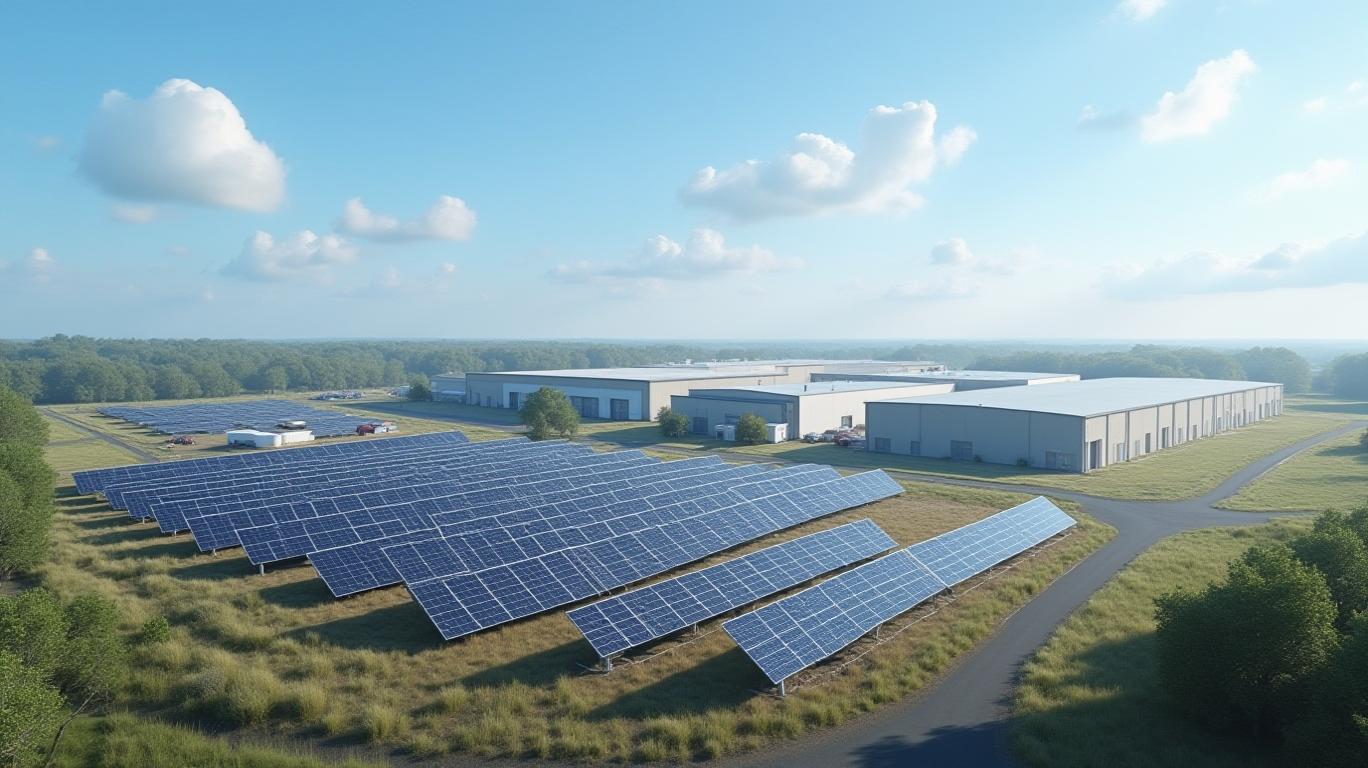
First Solar has shown remarkable resilience in the face of tariffs imposed on imported solar panels. In 2018, the Trump administration imposed tariffs on imported solar cells and modules, which initially slowed the growth of the domestic solar industry. However, First Solar's stock has since recovered, and the company has even seen its stock price appreciate by 15% year-to-date in 2024. This resilience can be attributed to First Solar's focus on more efficient thin-film solar panels and large-scale solar projects, which give it better scale and differentiation versus rivals.
Subsidies and Incentives
First Solar's financial performance has been significantly boosted by federal incentives, such as the Section 45X tax credit under the U.S. Inflation Reduction Act. This tax credit has directly added to the company's profits, with First Solar expecting to realize $1.0 billion to $1.05 billion of Section 45X tax credits in 2024. While Trump has generally favored a market-based approach to renewables, it's uncertain whether he would target this specific tax credit. However, Trump has indicated that he would rescind unspent funds from the Inflation Reduction Act, which could potentially impact First Solar's bottom line.
U.S. Manufacturing and Job Creation
First Solar's focus on U.S. manufacturing and job creation aligns with Trump's "America First" agenda. The company has doubled down on its U.S. production, planning to open its fifth factory in the U.S. by 2026 in Louisiana, taking its total U.S. capacity to about 14 GW. This commitment to domestic manufacturing could help First Solar maintain its competitiveness and support its growth even under a Trump administration.
Innovation and Adaptation
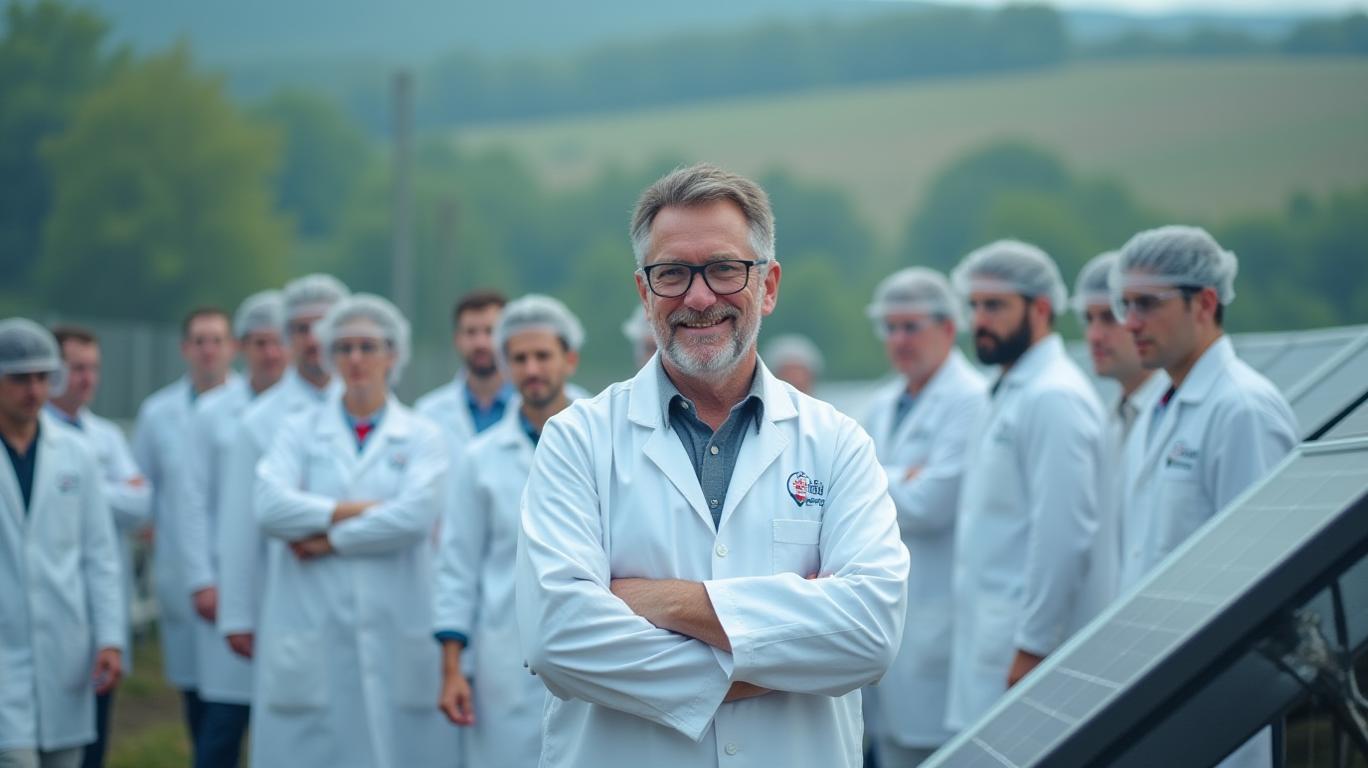
The solar industry has proven to be resilient and innovative in the face of shifting policies and market conditions. First Solar, with its focus on technology and efficiency, is well-positioned to adapt to any changes in policy or incentives under a Trump administration. The company's strong financial performance and stock price appreciation can be attributed to its improving operating performance and technology, as well as the favorable regulatory environment under Biden. However, First Solar has shown that it can thrive even in the face of uncertainty and tariffs.
In conclusion, while the solar industry faces potential challenges under a Trump administration, First Solar's focus on technology, efficiency, and domestic manufacturing positions it well to navigate these uncertainties and continue its growth trajectory. Investors should consider First Solar as a strong contender in the solar industry, even amid Trump's climate uncertainty.
As the U.S. approaches the 2024 presidential election, the solar industry braces for potential changes in policy and incentives under a Trump administration. While uncertainty looms, First Solar (FSLR) stands out as a company well-positioned to navigate these challenges and continue its growth trajectory. Here's why:
Resilience in the Face of Tariffs
First Solar has shown remarkable resilience in the face of tariffs imposed on imported solar panels. In 2018, the Trump administration imposed tariffs on imported solar cells and modules, which initially slowed the growth of the domestic solar industry. However, First Solar's stock has since recovered, and the company has even seen its stock price appreciate by 15% year-to-date in 2024. This resilience can be attributed to First Solar's focus on more efficient thin-film solar panels and large-scale solar projects, which give it better scale and differentiation versus rivals.
Subsidies and Incentives
First Solar's financial performance has been significantly boosted by federal incentives, such as the Section 45X tax credit under the U.S. Inflation Reduction Act. This tax credit has directly added to the company's profits, with First Solar expecting to realize $1.0 billion to $1.05 billion of Section 45X tax credits in 2024. While Trump has generally favored a market-based approach to renewables, it's uncertain whether he would target this specific tax credit. However, Trump has indicated that he would rescind unspent funds from the Inflation Reduction Act, which could potentially impact First Solar's bottom line.
U.S. Manufacturing and Job Creation
First Solar's focus on U.S. manufacturing and job creation aligns with Trump's "America First" agenda. The company has doubled down on its U.S. production, planning to open its fifth factory in the U.S. by 2026 in Louisiana, taking its total U.S. capacity to about 14 GW. This commitment to domestic manufacturing could help First Solar maintain its competitiveness and support its growth even under a Trump administration.
Innovation and Adaptation
The solar industry has proven to be resilient and innovative in the face of shifting policies and market conditions. First Solar, with its focus on technology and efficiency, is well-positioned to adapt to any changes in policy or incentives under a Trump administration. The company's strong financial performance and stock price appreciation can be attributed to its improving operating performance and technology, as well as the favorable regulatory environment under Biden. However, First Solar has shown that it can thrive even in the face of uncertainty and tariffs.
In conclusion, while the solar industry faces potential challenges under a Trump administration, First Solar's focus on technology, efficiency, and domestic manufacturing positions it well to navigate these uncertainties and continue its growth trajectory. Investors should consider First Solar as a strong contender in the solar industry, even amid Trump's climate uncertainty.

Divulgación editorial y transparencia de la IA: Ainvest News utiliza tecnología avanzada de Modelos de Lenguaje Largo (LLM) para sintetizar y analizar datos de mercado en tiempo real. Para garantizar los más altos estándares de integridad, cada artículo se somete a un riguroso proceso de verificación con participación humana.
Mientras la IA asiste en el procesamiento de datos y la redacción inicial, un miembro editorial profesional de Ainvest revisa, verifica y aprueba de forma independiente todo el contenido para garantizar su precisión y cumplimiento con los estándares editoriales de Ainvest Fintech Inc. Esta supervisión humana está diseñada para mitigar las alucinaciones de la IA y garantizar el contexto financiero.
Advertencia sobre inversiones: Este contenido se proporciona únicamente con fines informativos y no constituye asesoramiento profesional de inversión, legal o financiero. Los mercados conllevan riesgos inherentes. Se recomienda a los usuarios que realicen una investigación independiente o consulten a un asesor financiero certificado antes de tomar cualquier decisión. Ainvest Fintech Inc. se exime de toda responsabilidad por las acciones tomadas con base en esta información. ¿Encontró un error? Reportar un problema




Comentarios
Aún no hay comentarios